Iran emerged stronger after war, world now sees Strait of Hormuz as our ‘atomic bomb’: Foreign Minister Abbas Araghchi
Iran emerged stronger after war world, according to Foreign Minister Abbas Araghchi, who stated that Tehran has gained strategic advantage following the
Iran Emerged Stronger After War: World Now Sees Strait of Hormuz as ‘Atomic Bomb’
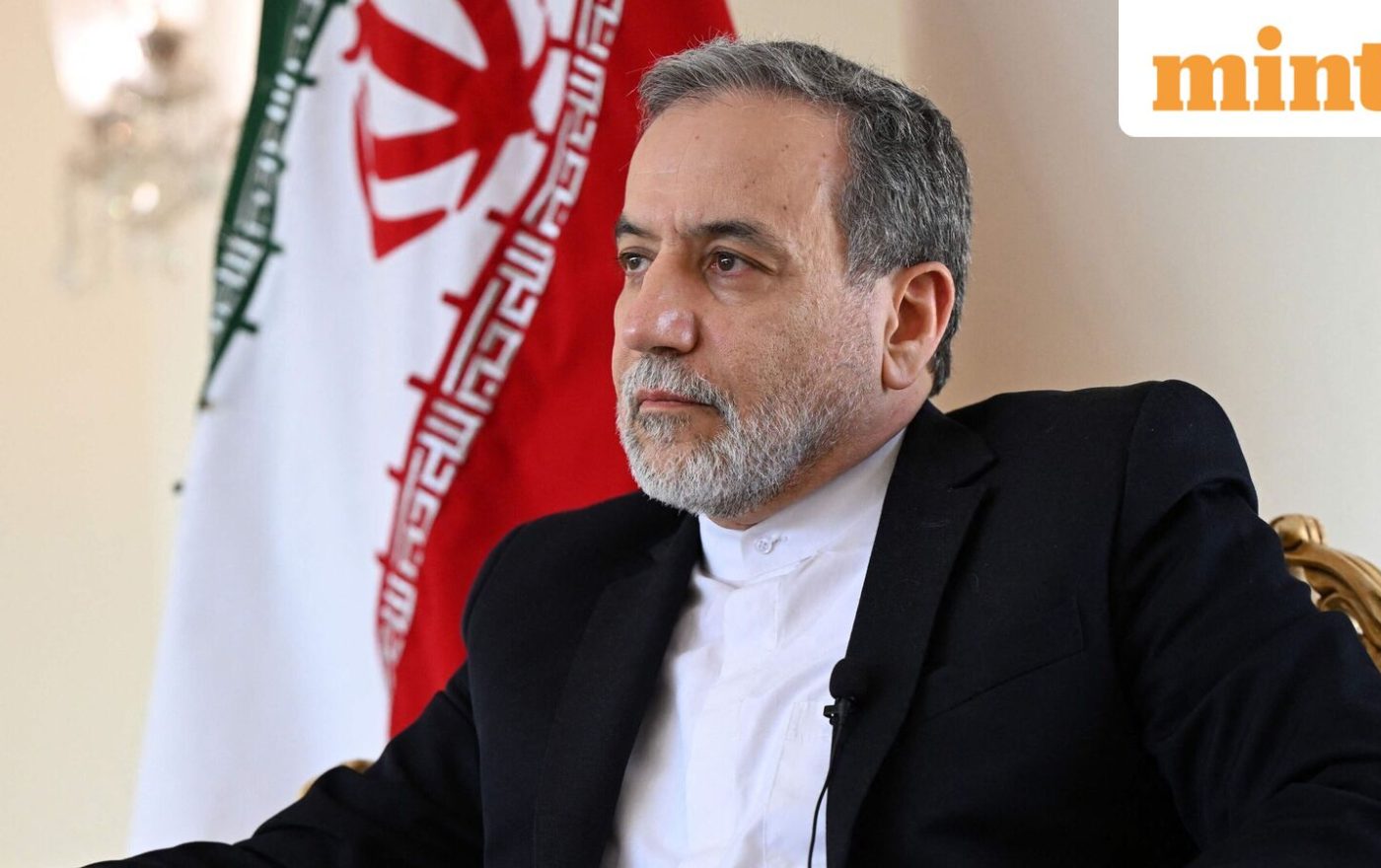
Theindiapostdaily.com – Iran emerged stronger after war world, according to Foreign Minister Abbas Araghchi, who stated that Tehran has gained strategic advantage following the recent conflict. The foreign minister emphasized that global powers now recognize the Strait of Hormuz as a powerful deterrent, comparable to an atomic weapon. During an interview with documentary filmmaker Javad Mogouyi on July 19, Araghchi outlined Iran’s resilience and unwavering stance on nuclear policy.
Rebuilding After Chaos
Recalling the opening days of the conflict, Araghchi described a period of intense uncertainty. Iranian officials lost communication with one another and struggled to determine who had survived. “I came to the Ministry of Foreign Affairs… and for about three days, we were completely cut off from everything,” he explained. The minister revealed he did not meet the President until three days after hostilities began, and his first high-level security meeting took place six days into the conflict.
“Everyone knew what Code 110 meant: that if Code 110 happened, we would do a certain thing. It was written and approved, and the Leader himself had seen and confirmed it.”
Araghchi also disclosed that Iran had prepared a contingency plan known as “Code 110” in the event of an attack on Supreme Leader Ayatollah Ali Khamenei. This emergency protocol was activated immediately and systematically when needed. Three participants in that initial security meeting were later killed, underscoring the severity of the situation.
Nuclear Programme Not for Sale
The foreign minister reiterated that Tehran will not abandon its uranium enrichment programme in exchange for incentives or under military pressure. Araghchi said Iran had rejected what he described as attempts to persuade the country to compromise on its nuclear programme during negotiations before the recent 12-day war. “You can neither threaten us nor bribe us,” he declared firmly.
He claimed that before the outbreak of the 12-day conflict, negotiators had offered incentives to the Islamic Republic in exchange for concessions. “In the negotiations before the 12-day war, they had come to bribe—not to bribe me, to bribe the Islamic Republic—saying we will do this and that, we will build this and that,” Araghchi recalled. The minister said Iran rejected those proposals, arguing that the country’s uranium enrichment programme had come at a significant national cost.
“This is something the people of Iran for 20 years have endured sanctions for, scientists have shed their blood—can we sell it?” he asked. He also dismissed offers to build infrastructure in exchange for limiting Iran’s nuclear activities, questioning the value of such proposals.
Strategic Position Strengthened
According to Araghchi, the conflict demonstrated that Iran’s political system remained intact despite military pressure. “Despite the war and despite all this, no change has occurred, nor will occur, in the policies, principles, and ideals of the Islamic Republic,” he stated. He described this as one of the key messages Iran had sent to the international community.
Araghchi argued that Iran emerged from the conflict in a stronger strategic position and claimed foreign officials had acknowledged the country’s resilience. “All the people and ministers we meet, friend and enemy, they say Iran emerged stronger from this war,” he noted. He added that Iran’s greatest strategic leverage was not a nuclear weapon but its ability to influence maritime trade through the Strait of Hormuz. “We just realised that your atomic bomb is the Strait of Hormuz… The world has realised,” he concluded, emphasizing the renewed global recognition of Iran’s strategic importance.