Iran begins week-long Ali Khamenei’s funeral, but at what cost? Companies ‘forced to pay’ for food, soup, tea — report
Iran has launched a seven-day mourning period for the late
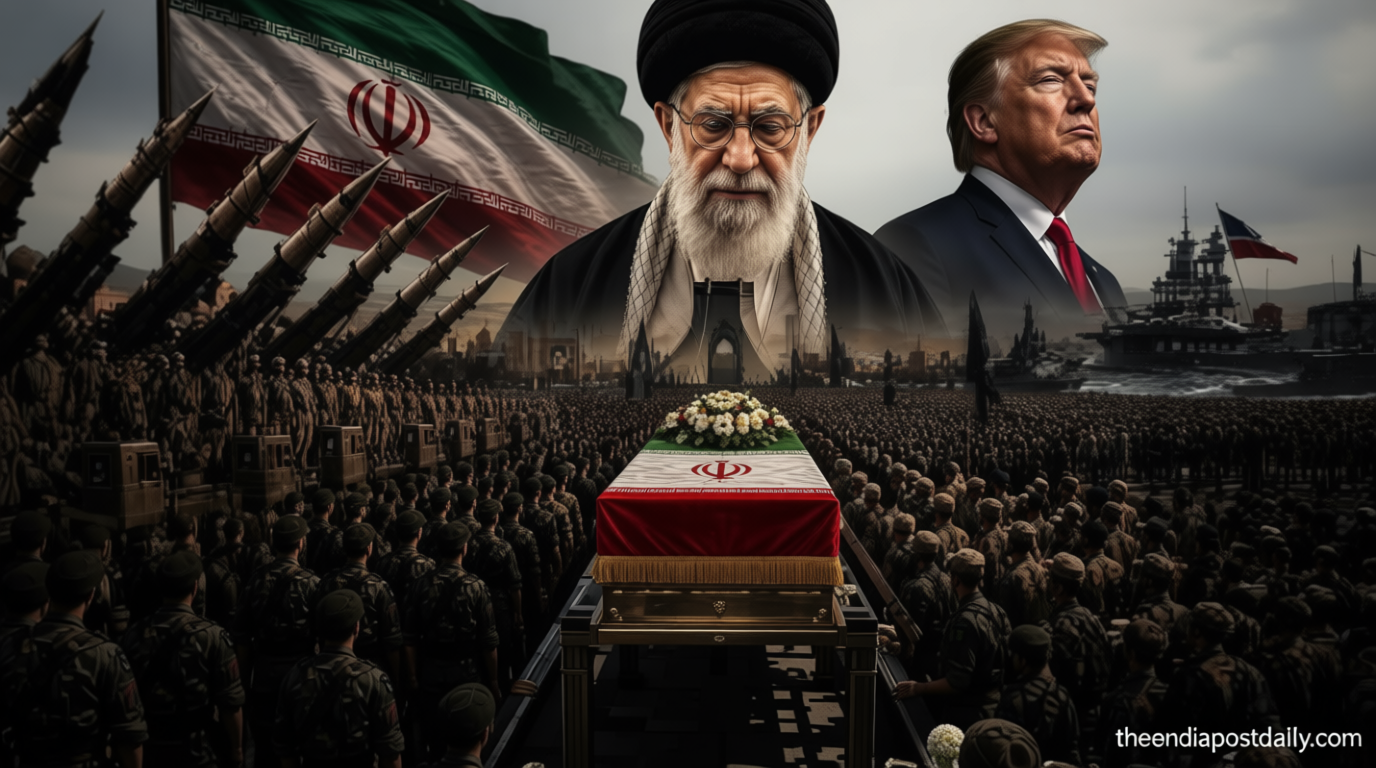
Ali Khamenei’s Week-Long Funeral in Iran Sparks Cost Concerns
Theindiapostdaily.com – Iran has launched a seven-day mourning period for the late Supreme Leader Ali Khamenei, marking a significant moment of national unity following his death in a US-Israeli strike on February 28. The elaborate ceremonies, which will take place across key cities including Tehran, Qom, and Mashhad, aim to honor his legacy as a central figure in the Islamic Republic. However, the event has drawn criticism for its financial toll on businesses and citizens, raising questions about the balance between patriotism and economic strain.
Funeral Rites and Economic Impact
The funeral processions, which include public displays of grief, floral tributes, and chants from supporters, have been organized with meticulous detail. Yet, the cost of these ceremonies has placed a heavy burden on Iran’s already struggling economy. Reports indicate that companies, particularly in the industrial sector, have been compelled to cover expenses for roadside service stations, where mourners receive food, tea, and dates. This has sparked frustration among workers and entrepreneurs who face rising costs and limited resources.
According to a statement shared with Iran International, businesses were instructed to bear the costs of setting up makeshift stalls along the funeral route. These stalls, meant to provide sustenance to attendees, reportedly required significant out-of-pocket investments. One individual described the situation, noting that staff members were given incentives such as 20 kilograms of rice to participate in the ceremonies. This trade-off between personal sacrifice and national commemoration highlights the growing economic pressures on the Iranian populace.
Government Pressure and Public Dissent
Government authorities have been accused of imposing financial obligations on companies, particularly those based in Tehran, to support the funeral. A source within the Civil Registration Organization revealed that businesses were directed to contribute to the event’s logistics, including the preparation of food and beverages. The total cost reportedly reached over 1,000 billion rials, equivalent to more than $570,000, with automobile manufacturers bearing a significant share of the burden.
“The Islamic Republic and Revolutionary Guards mandated all Tehran-based companies to cover booth expenses and food for the funeral,” another message alleged. “Workers, already struggling to afford basic essentials, are being asked to shoulder these costs despite their own financial hardships.”
The economic strain has intensified as inflation continues to rise and average monthly incomes remain low. With many families living below the estimated poverty line, the funeral’s expenses have sparked debate about the prioritization of state events over the needs of the general population. Critics argue that the government’s demands for corporate contributions are a reflection of broader efforts to sustain morale amid political and economic challenges.
Cultural Significance and Public Reaction
Ali Khamenei’s funeral is not only a political event but also a deeply cultural one, symbolizing the unity of Iran’s religious and political institutions. The procession, which will traverse cities like Najaf and Karbala in Iraq, underscores the international reach of his influence. However, the ceremony’s grandeur contrasts with the daily struggles of Iranians, who are increasingly vocal about the cost of such displays.
Despite the somber occasion, some citizens have expressed dissatisfaction with the financial demands. One lamented, “We are heading north for a vacation instead of attending,” highlighting the personal sacrifices required to participate in the mourning rituals. The public’s mixed reactions reflect a broader tension between national pride and economic hardship, as Iranians grapple with the dual challenges of honoring their leader and managing their livelihoods.
“The funeral is a necessary gesture of unity, but the financial cost is becoming unsustainable,” said a local business owner. “Companies are already stretched thin, and this adds another layer of pressure.”
Broader Implications for Iran’s Economy
The funeral’s expenses are seen as part of a larger pattern of state spending that has impacted Iran’s economy in recent years. With inflation rates climbing and currency devaluation affecting purchasing power, the government’s allocation of funds for the event has drawn scrutiny. Analysts suggest that such expenditures may further exacerbate the economic crisis, potentially diverting resources from critical sectors like healthcare and education.
While the government emphasizes the symbolic importance of the funeral, the economic reality for Iranians remains stark. The additional financial burden on businesses has led to concerns about the long-term viability of the country’s economic recovery. As the mourning period unfolds, the question remains: how will these costs affect the everyday lives of citizens and the nation’s overall stability?
“This funeral is a reminder of how the government is using national events to rally support, even at the expense of economic relief,” said an economist. “The financial strain on companies is a sign of deeper systemic challenges.”
In the days leading up to the burial on July 9, the funeral will serve as a platform to reinforce the power of the clerical leadership and the Revolutionary Guards. Yet, the controversy surrounding the cost of the event underscores the growing divide between the regime’s priorities and the needs of the people. As Iran continues to navigate this period of mourning, the economic impact of the week-long celebrations will likely remain a topic of debate and concern.