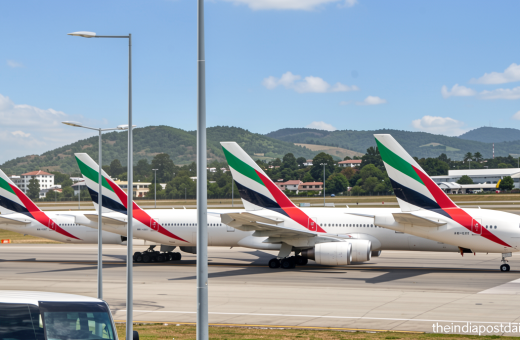
Iran attacks Gulf countries following fresh US strikes; Jordan, Bahrain, Qatar, Oman and UAE targeted
Iran Attacks Gulf Countries Following US Strikes; Regional Tensions Escalate Theindiapostdaily.com – In a significant escalation of tensions in the Middle East, Iran launched coordinated missile and drone strikes targeting…
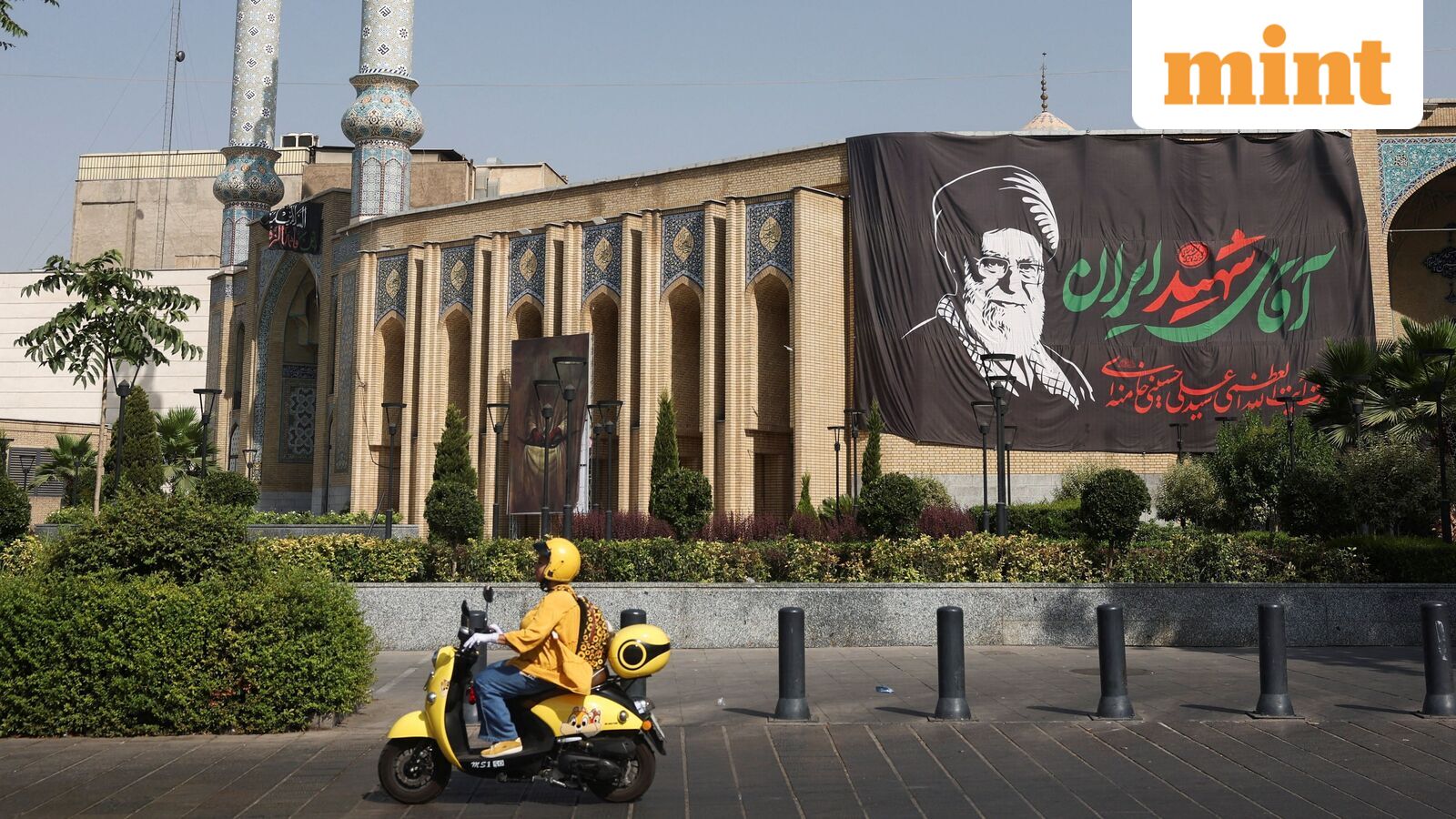
Iran Attacks Gulf Countries Following US Strikes; Regional Tensions Escalate
Theindiapostdaily.com – In a significant escalation of tensions in the Middle East, Iran launched coordinated missile and drone strikes targeting Jordan, Bahrain, Qatar, Oman, and the United Arab Emirates (UAE) following fresh US military action. The attacks, which occurred in the aftermath of Washington’s strikes on Iranian assets, marked a sharp response from Tehran to perceived aggression. This marked retaliation not only intensified the rivalry between the Islamic Republic and its regional neighbors but also underscored the delicate balance of power in the Gulf. The strikes, which hit multiple locations, were described as a calculated move to demonstrate Iran’s capability to strike key infrastructure and allies of the United States.
Strategic Targets and Security Responses
The Iranian assault focused on critical infrastructure, including military bases, energy facilities, and communication hubs, in the five Gulf states that host U.S. forces or maintain strong security partnerships with Washington. These sites were chosen to cripple the region’s logistical capabilities and send a clear message to Washington’s allies. As projectiles entered the airspace of the targeted countries, defense systems were activated to intercept the incoming threats. Authorities issued emergency alerts, with residents in affected areas reporting multiple explosions and localized disruptions to daily activities. The Gulf nations swiftly bolstered their security measures, including increased patrols and heightened alert levels at strategic locations.
Iran’s military strategy in this conflict reflects its broader goals of countering Western influence and asserting dominance in the region. The attacks are believed to have targeted not only immediate U.S. interests but also key economic and political symbols in the Gulf. By striking these locations, Iran aimed to disrupt regional supply chains and challenge the strategic footholds of its adversaries. Analysts suggest that the timing of the strikes, following the U.S. military operation in the Strait of Hormuz, was intentional, designed to exploit the vulnerability of Gulf allies amid ongoing hostilities.
US Strikes in the Strait of Hormuz and Escalation
Hours before Iran’s retaliatory attacks, the United States conducted a major military operation in the Strait of Hormuz, a critical chokepoint for global oil exports. This action was a direct response to an alleged Iranian attack on a Cyprus-flagged container ship, which the U.S. claimed was part of a broader campaign to disrupt maritime trade. The operation targeted over 140 Iranian sites, including missile silos, drone launch facilities, and communication centers, with the objective of neutralizing Iran’s ability to threaten international shipping routes. The U.S. emphasized that the strikes were necessary to deter further Iranian aggression and protect its strategic interests in the region.
Iran’s decision to retaliate immediately after the U.S. strikes in the Strait of Hormuz highlights the rapid pace of escalation in the region. The Islamic Republic’s military planners are said to have viewed the U.S. operation as a provocation, prompting swift and decisive action. This sequence of events—U.S. strikes followed by Iranian counterstrikes—has intensified the rivalry between the two powers, with both sides accusing each other of undermining regional stability. The Gulf countries, caught in the crossfire, now face the challenge of managing their relationships with both Iran and the United States while safeguarding their national interests.
Regional Reactions and Diplomatic Implications
Following the attacks, leaders in the targeted Gulf states expressed concern over the security risks posed by Iran’s actions. While some countries maintained a unified front, others signaled a willingness to take retaliatory measures if the situation worsened. The strikes have also raised questions about the future of regional alliances, as nations reassess their reliance on U.S. military support amid fears of Iranian aggression. In response, the U.S. has pledged to protect its personnel and assets, with Defense Secretary Pete Hegseth stating on X: “Iran made a poor choice. Now they pay.”
Iran’s focus on Gulf allies has drawn criticism from international observers, who warn of the potential for a wider conflict involving regional powers. The attacks have not only tested the resilience of Gulf countries but also highlighted the strategic importance of their partnerships with the United States. Analysts note that the retaliatory strikes could lead to a prolonged standoff, with both sides vying for influence and control in the region. The situation remains fluid, with ongoing discussions about the next steps in the escalating regional conflict.
As the dust settles from the attacks, the broader implications for Middle Eastern security become clearer. The Gulf countries now face the challenge of maintaining their economic stability while defending against Iranian threats. Meanwhile, the United States continues to monitor the situation closely, with military leaders expressing confidence in their ability to respond to any further aggression. The focus keyword “Iran attacks Gulf countries following” reappears throughout the article, ensuring it is naturally integrated into the narrative and enhancing its relevance to search engines.