Indian oil tanker turned back from US-backed Omani corridor in Strait of Hormuz, says Iran
il Tanker Turned Back in Hormuz Strait Amid US-Iran Tensions Indian oil tanker turned back from the US-backed Omani corridor in the Strait of Hormuz
Indian Oil Tanker Turned Back in Hormuz Strait Amid US-Iran Tensions
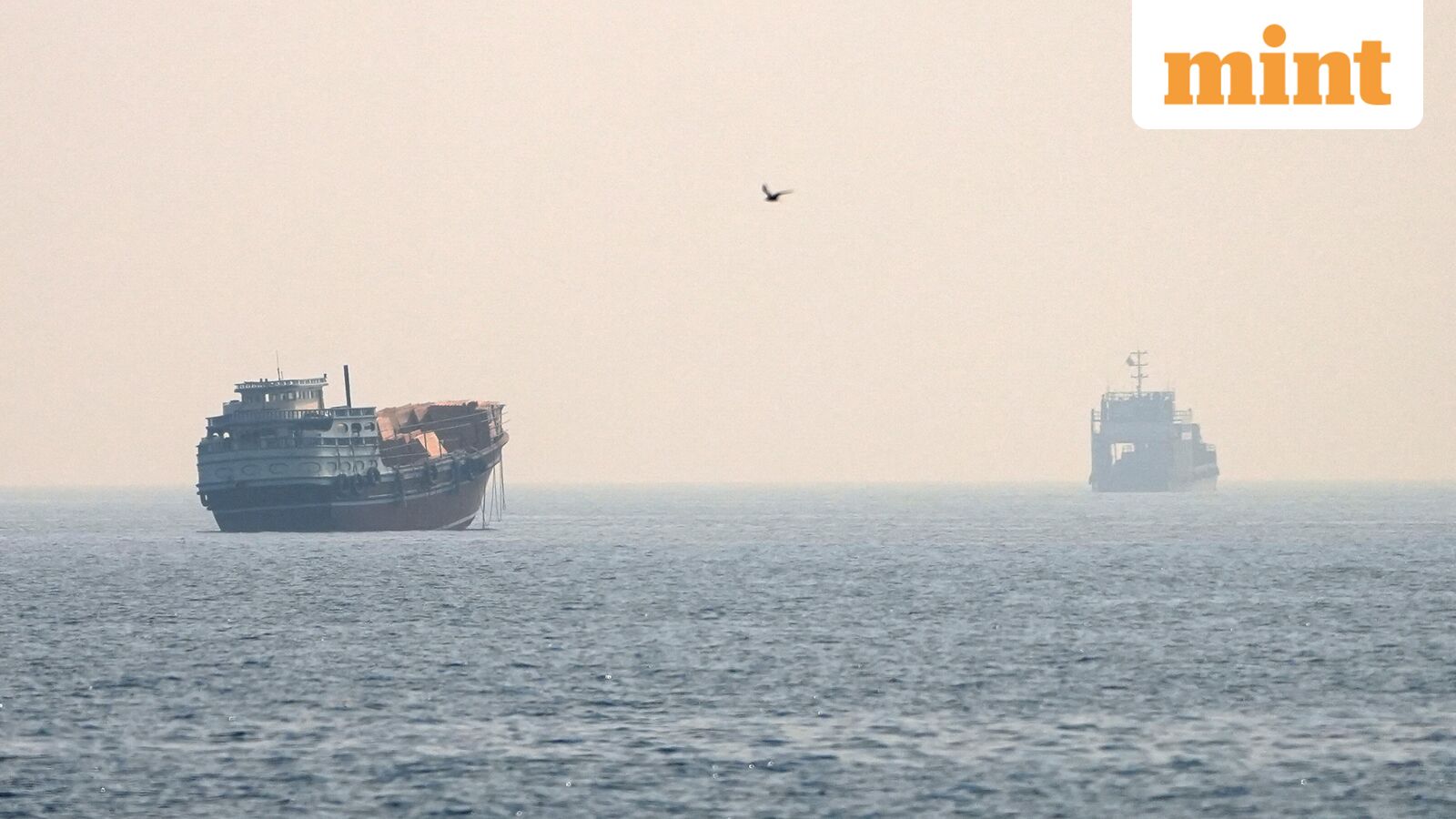
Theindiapostdaily.com – Indian oil tanker turned back from the US-backed Omani corridor in the Strait of Hormuz, according to Iran’s semi-official Fars news agency. The incident underscores growing friction between Iran and the United States as the latter continues to exert pressure on Tehran through sanctions and military operations. The Omani corridor, established by Oman and the UN’s International Maritime Organization, was meant to provide a safe passage for vessels caught in the region under US control, but Iran’s assertion of dominance over the strait has raised concerns about the safety of international shipping routes.
Strategic Tensions in the Strait of Hormuz
The redirection of the Indian oil tanker marks a significant escalation in the geopolitical struggle over the Strait of Hormuz, a critical chokepoint for global oil trade. The corridor, officially recognized on June 24, aimed to ensure the secure transit of oil tankers through the waterway, particularly after the US imposed restrictions on Iranian vessels. However, Iran has increasingly challenged this arrangement, claiming the right to control the passage and threatening to block ships that do not comply with its demands. This move has intensified fears of a potential disruption in the flow of energy resources to India and other Asian markets.
Recent military actions by the US, including strikes on Iranian naval assets in the Gulf of Oman, have fueled Iran’s determination to assert its influence. The Indian tanker’s detour is believed to be part of Iran’s broader strategy to pressure the US into backing down by demonstrating its ability to disrupt critical shipping lanes. Analysts suggest that this development could have far-reaching consequences for regional stability and global oil prices, as the strait accounts for nearly 20% of the world’s seaborne oil trade.
India’s Maritime Security Challenges
India, a major importer of Iranian crude oil, has expressed concerns over the safety of its vessels in the strait. The Indian government is reportedly working to secure the transit of nine oil tankers through the corridor, which have been affected by the ongoing conflict. These tankers, carrying vital crude oil and liquefied petroleum gas, are essential for meeting India’s energy demands and maintaining economic stability. The recent incident has added urgency to India’s efforts to negotiate with Iran for a safer passage.
Over 6,000 mariners have been stranded in the Persian Gulf for months due to the strait’s closure, with many awaiting safe passage through the Omani corridor. The situation worsened after at least three Indian sailors were killed in US strikes on Gulf of Oman vessels in June, as reported by Bloomberg. This has heightened India’s anxiety about the security of its maritime trade routes and the potential for further attacks on its fleet.
“The redirection of Indian oil tankers from the Omani corridor is a clear signal of Iran’s resolve to assert control over the Strait of Hormuz. This could lead to a prolonged standoff and disrupt the delicate balance of power in the region,” remarked a maritime analyst from the International Maritime Organization.
The Indian government is now under pressure to coordinate with international allies to protect its vessels. With Iran threatening to block the corridor, India faces the challenge of ensuring the continued flow of oil while avoiding further confrontation. This situation has also raised questions about the effectiveness of the interim ceasefire agreement, which was brokered to prevent clashes between US-backed forces and Iranian naval units in the region.
Broader Implications for Global Energy Markets
The incident highlights the fragility of the current geopolitical landscape and its potential impact on global energy markets. The Strait of Hormuz is a lifeline for oil exports from the Middle East, and any disruption could lead to a spike in crude oil prices, affecting economies worldwide. India, which relies heavily on oil imports from the Gulf, is particularly vulnerable to such volatility. The redirection of its tankers could signal a shift in the region’s trade dynamics, forcing India to seek alternative routes or suppliers.
Meanwhile, the US continues to justify its military presence in the Gulf, emphasizing the need to protect critical infrastructure and ensure the uninterrupted flow of oil. However, Iran’s actions have forced the US to reconsider its approach, with some analysts suggesting that the country may be adopting a more aggressive stance to assert dominance. The Omani corridor’s status as a neutral passage has now come under scrutiny, as both nations vie for control over the strait’s strategic importance.
International reactions to the incident have been mixed. While some countries have expressed support for Iran’s right to safeguard its interests, others, including the United States and its allies, have criticized the move as a threat to global supply chains. The International Maritime Organization (IMO) has called for a renewed dialogue to prevent further escalation and ensure the safety of all vessels navigating the region.
As tensions persist, the Indian oil tanker turned back serves as a reminder of the complex interplay between regional and global interests. The Omani corridor, though initially designed to ease tensions, has become a flashpoint in the broader US-Iran rivalry. With the potential for more confrontations, India’s role in mediating the situation will be crucial in determining the future of maritime trade in the region. The incident also underscores the need for a stable and predictable environment in the Strait of Hormuz, which is vital for the world’s energy security.