How close is the India-US trade deal? US Ambassador to India Sergio Gor says, ‘we are confident…’
How Close Is the India-US Trade Deal? U.S. Ambassador Sergio Gor Expresses Confidence Theindiapostdaily.com – How close is the India-US trade deal? The question has lingered as the U.S. and…
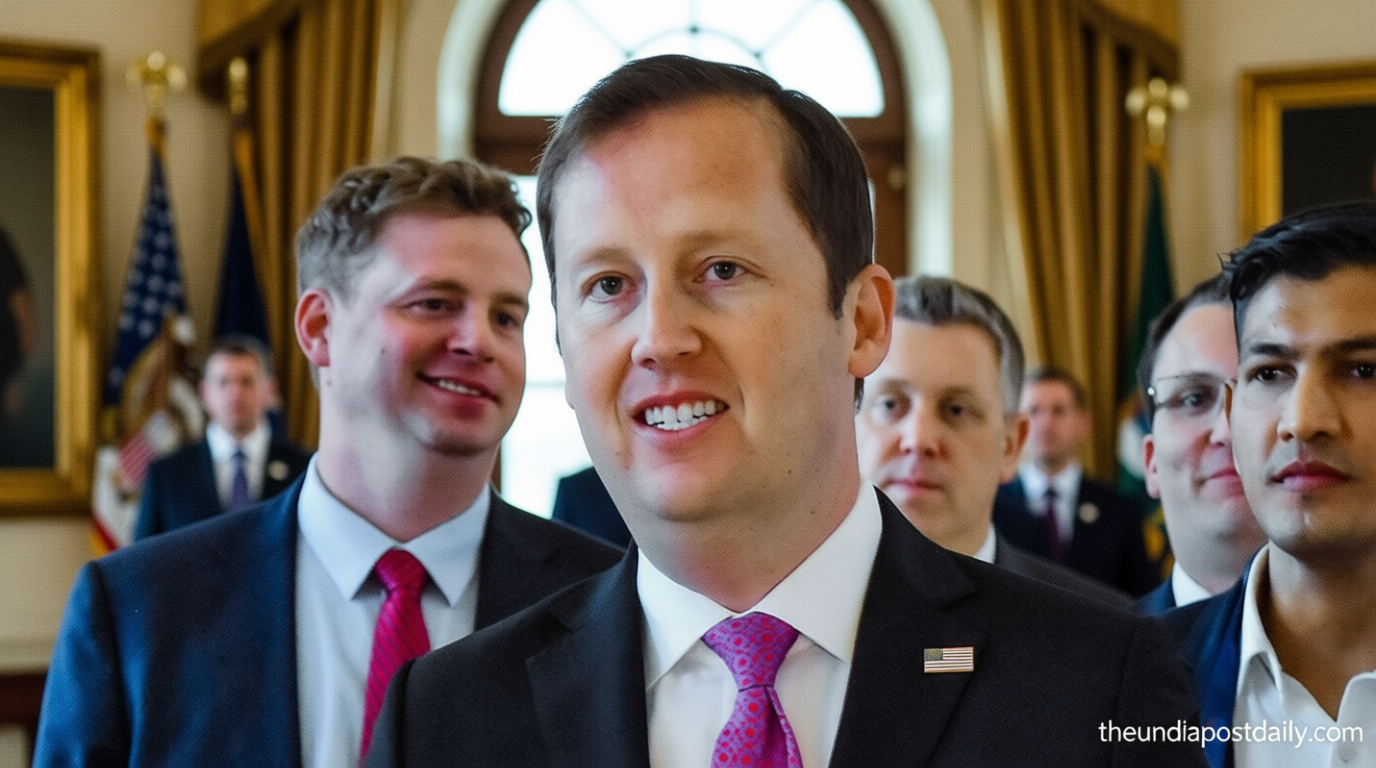
How Close Is the India-US Trade Deal? U.S. Ambassador Sergio Gor Expresses Confidence
Theindiapostdaily.com – How close is the India-US trade deal? The question has lingered as the U.S. and India navigate final negotiations to finalize a landmark agreement. U.S. Ambassador to India Sergio Gor recently shared insights, indicating that the pact is nearing completion. He highlighted that only a handful of critical points remain unresolved, with both nations demonstrating strong commitment to reaching a mutually beneficial agreement. The deal, which aims to strengthen economic ties, is expected to be signed within the next few months, marking a pivotal moment in Indo-U.S. trade relations.
Key Discussions During the Final Stages
“The language of the agreement is the last hurdle. I was in Delhi recently with Trade Representative Jamieson Greer, and our discussions with Commerce Minister Piyush Goyal were very productive. We are confident the deal will be signed soon,” Gor explained.
Gor emphasized that the current progress reflects the growing synergy between the two economies. While trade agreements often take years to finalize, he noted that the India-US pact has advanced rapidly, with both sides addressing issues such as market access, intellectual property rights, and agricultural subsidies. The ambassador also mentioned that the agreement’s structure has been refined through repeated consultations, ensuring it aligns with India’s economic priorities and the U.S.’s strategic interests.
Challenges and Progress
“It’s been a year and a half of work. People ask why it’s taking so long, but we’re moving at a rapid pace. The relationship between the U.S. and India is on an incredible upward trajectory,” he added.
Despite initial delays, the negotiations have seen significant momentum. Gor acknowledged that trade agreements require careful balancing of interests, but the U.S. and India have managed to streamline their discussions. He pointed out that the deal’s proximity to completion underscores the shared goal of reducing trade barriers and fostering long-term collaboration. This progress is particularly notable given the complexities of integrating two diverse economies with distinct regulatory frameworks.
The agreement’s potential to boost bilateral trade is a major focus. For instance, India’s exports to the U.S. reached $87.3 billion in the financial year ending March 2023, while imports from the U.S. grew 17.2% to $53.48 billion. The recent trade framework, which reduced tariffs on Indian goods from 50% to 18%, has already created a more favorable environment for Indian businesses. However, the U.S. Supreme Court’s decision to overturn Trump’s broad tariff policy introduced uncertainty, prompting concerns about how this might affect the deal’s implementation timeline.
Economic Implications of the Agreement
How close is the India-US trade deal? Its completion could unlock substantial opportunities for both nations. For India, the pact is seen as a catalyst for becoming a global manufacturing hub, as outlined by Prime Minister Narendra Modi. By granting access to the U.S. market, the agreement is expected to reduce dependency on China and attract foreign investment in sectors like pharmaceuticals, electronics, and textiles. The U.S., on the other hand, aims to diversify its supply chains and secure a stable trade partner in one of the world’s fastest-growing economies.
The deal also addresses India’s aspirations to reduce trade deficits and enhance exports. With the U.S. market currently accounting for a significant share of Indian trade, the agreement could help offset the deficit by increasing demand for Indian goods and services. Additionally, it offers a framework for resolving disputes and standardizing regulations, which could streamline trade processes and reduce bureaucratic hurdles. As the final stages approach, stakeholders are closely monitoring the progress to ensure the agreement meets its intended goals.
U.S. Trade Representative Jamieson Greer reiterated the strong partnership between President Trump and Prime Minister Modi, noting their commitment to deepening ties. “This relationship is evolving rapidly, and the trade deal is just one part of a broader strategy to elevate our collaboration,” Greer remarked. The pact is also seen as a strategic move to counterbalance China’s influence in the Indo-Pacific region, positioning India as a key player in global trade networks. With both nations prioritizing economic growth, the successful implementation of the deal could set a new standard for bilateral trade agreements in the 21st century.