Hormuz Strait reopening, naval blockade lifted, sanctions relief: What is inside US-Iran draft peace deal
US-Iran Deal Lifts Hormuz Naval Blockade, Offers Sanctions Relief Theindiapostdaily.com – The Hormuz Strait reopening and the lifting of the US naval blockade mark a significant step toward resolving tensions…
US-Iran Deal Lifts Hormuz Naval Blockade, Offers Sanctions Relief
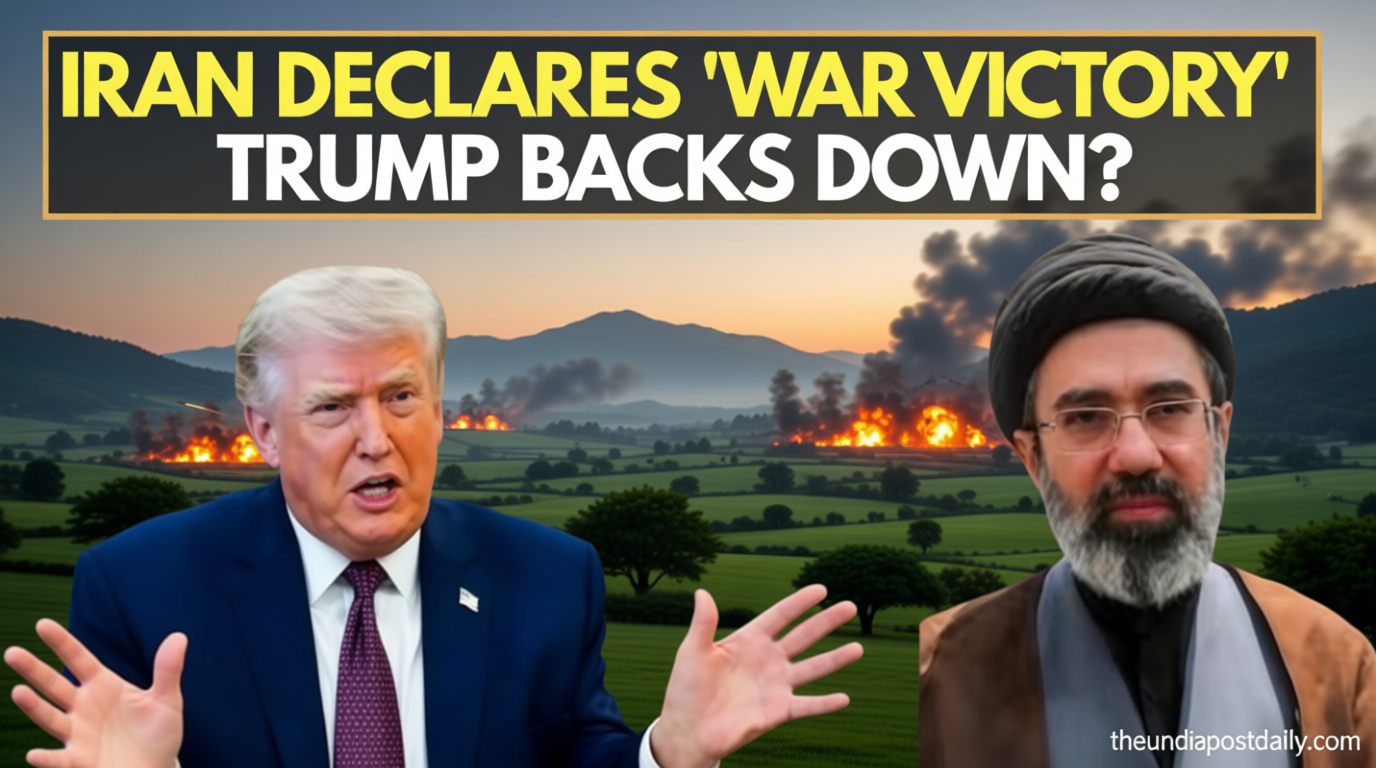
Theindiapostdaily.com – The Hormuz Strait reopening and the lifting of the US naval blockade mark a significant step toward resolving tensions between Washington and Tehran. This development, announced by President Donald Trump on June 14, follows the release of a 14-point draft peace deal that outlines a framework for ending hostilities and fostering diplomatic cooperation. The agreement, set to be finalized in the coming weeks, includes provisions for sanctions relief and a renewed commitment to regional stability. With the Strait of Hormuz—a critical artery for global oil trade—now open, the move signals a shift from conflict to collaboration, offering hope for long-term peace.
Immediate Ceasefire and Blockade Removal
The draft memorandum of understanding (MoU) envisions an immediate and comprehensive ceasefire across all fronts, including Lebanon, to halt ongoing military operations. A key component of the deal is the termination of the US naval blockade, which has been a major source of friction. Trump emphasized the importance of this measure, stating on Truth Social: “The Deal with the Islamic Republic of Iran is now complete. Congratulations to all! I hereby fully authorize the toll-free opening of the Strait of Hormuz, and, simultaneously herewith, authorize the immediate removal of the United States Naval blockade.” This action is expected to ease pressure on Iran’s economy and restore normal shipping operations through the strategic waterway.
“Ships of the World, start your engines. Let the oil flow.”—Trump’s rallying call underscores the strategic value of the Hormuz Strait. As one of the world’s busiest maritime passages, the strait’s reopening is vital for maintaining oil flow to global markets. The naval blockade, which restricted Iranian vessels, has been a symbol of US economic pressure on the country. Its removal is a direct response to Iran’s closure of the strait in April, a move that triggered retaliatory measures and disrupted global supply chains.
Key Provisions and Economic Impact
The draft MoU outlines ten core terms, with the Hormuz Strait reopening and naval blockade lifting forming the cornerstone of the agreement. Among the other key points is the suspension of sanctions on Iranian oil and petrochemicals, allowing the country to resume exports and generate revenue. Additionally, the deal pledges to release $24 billion in frozen assets within 60 days, with half allocated before negotiations begin. These measures aim to provide Iran with immediate financial relief, which could stabilize its economy amid ongoing challenges.
A 30-day timeline is set for the complete lifting of the naval blockade, a provision that highlights the US commitment to restoring Iran’s maritime access. The agreement also includes a commitment from the United States to respect Iran’s sovereignty and avoid interference in its internal affairs. This promise is critical for rebuilding trust between the two nations, as it addresses concerns about US actions in the region. Meanwhile, the deal proposes a $300 billion economic reconstruction plan to support Iran’s recovery and growth, signaling a broader effort to address the country’s financial struggles.
Regional Security and Future Negotiations
The Hormuz Strait reopening is not just an economic win but a strategic move to enhance regional security. By ending the naval blockade, the US and Iran aim to reduce tensions that have threatened the flow of energy resources and destabilized the Middle East. The agreement also includes guarantees for Lebanon’s sovereignty, a nod to the country’s role in the broader conflict. These adjustments, made during final discussions, are intended to prevent further escalations and ensure that Iran’s missile program and support for resistance groups remain outside the scope of future negotiations.
Despite the progress, challenges remain. The final agreement must address Iran’s nuclear program and ensure that all sanctions are lifted. The US has emphasized the need for a comprehensive deal that balances Iran’s regional influence with global security concerns. The Hormuz Strait, as a symbol of economic and strategic importance, will be closely monitored to assess the effectiveness of the new terms. As the world watches, the success of this deal could set a precedent for future diplomatic efforts in the region.