‘Hearing loud booms…’: US ambassador takes shelter as Iran targets petrochemical facility in Israel
Hearing Loud Booms: US Ambassador Takes Shelter as Iran Targets Israeli Petrochemical Facility Theindiapostdaily.com – Israel experienced a series of intense explosions on Monday as Iran’s Islamic Revolutionary Guard Corps…
Hearing Loud Booms: US Ambassador Takes Shelter as Iran Targets Israeli Petrochemical Facility
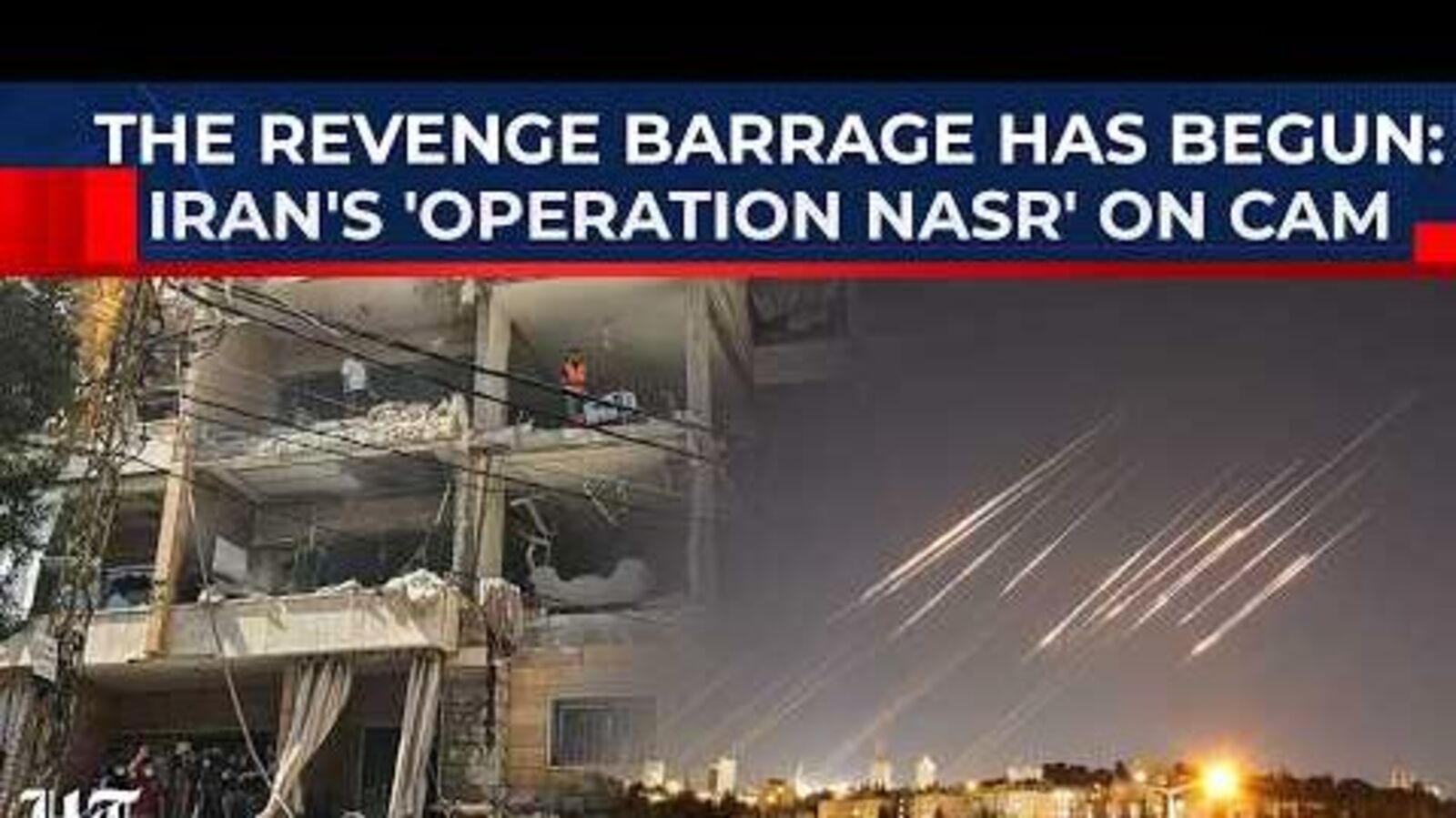
Theindiapostdaily.com – Israel experienced a series of intense explosions on Monday as Iran’s Islamic Revolutionary Guard Corps (IRGC) launched missile strikes on a petrochemical plant in the country. The attacks, which included a barrage of ballistic missiles, were reported to have created loud booms that echoed across the region. The U.S. ambassador to Israel, Mike Huckabee, responded by taking shelter, highlighting the immediate threat posed by Iran’s aggressive military actions. The incident has intensified regional tensions, with both Iran and Israel positioning themselves as key players in the escalating conflict.
The Immediate Response to the Missile Alerts
As the missile alerts activated, Huckabee posted on X, describing the experience of “hearing loud booms” that reverberated through Jerusalem. The U.S. envoy’s account captured the gravity of the situation, as the strikes marked a direct retaliation against earlier Iranian attacks. The petrochemical facility targeted was located in Haifa, a critical hub for energy production in the region. Israeli military officials confirmed that nearly 30 ballistic missiles were launched, with most intercepted before reaching their intended targets. Huckabee expressed relief at the successful deflection but emphasized the ongoing threat from Iran’s proxy forces.
Iran’s Justification and Strategic Intent
The IRGC, through its official media outlet Sepah News, claimed the missile strikes were a response to the “aggression” of the American-Zionist alliance. The attacks, they argued, were a necessary step to deter further U.S.-backed actions against Iranian interests. The petrochemical facility in Haifa was selected for its strategic importance, symbolizing a broader escalation in the conflict. Iran’s foreign ministry spokesperson, Esmaeil Baghaei, accused the United States of fostering instability and warned that any continued aggression could have far-reaching consequences for regional security.
“Hearing loud booms… another day where we live under the shadow of a fanatical Iranian regime,” Huckabee tweeted, blending personal experience with political commentary. His posts underscored the perceived connection between Iran’s actions and the destabilizing influence of its regional allies.
Baghaei further criticized the U.S. for its role in enabling Israel’s military campaigns, particularly in Lebanon. He argued that Washington’s support for Israeli operations had undermined diplomatic efforts and increased the risk of global economic disruption. The missile strikes, he suggested, were a calculated move to assert Iran’s dominance and challenge Western intervention in the Middle East.
Regional Implications and Future Threats
Experts have noted that the targeting of Israel’s petrochemical infrastructure represents a significant escalation in the ongoing geopolitical rivalry. The strikes not only demonstrate Iran’s military capabilities but also its willingness to take direct action against Israeli energy targets. This development raises concerns about the potential for further attacks on critical infrastructure, which could disrupt oil and gas supply chains in the region. The “hearing loud booms” from the missile strikes have now become a symbol of the volatile security landscape in the Middle East.
“The United States holds direct responsibility for any move the Zionist regime makes in threatening regional stability,” Baghaei asserted, warning of impending consequences for global economic security. His remarks reflect Iran’s broader narrative of blaming external forces for internal tensions and using military action to assert control.
Analysts suggest that Iran’s response was both a strategic and symbolic move, aiming to signal its readiness to retaliate against perceived threats. The incident has also reignited debates about the U.S.-Israel alliance and its role in regional conflicts. While the immediate outcome of the strikes was averted, the “hearing loud booms” experienced by residents in Haifa and surrounding areas have left a lasting impression of the escalating threat.
Broader Context and International Reactions
The attacks come amid heightened tensions following a series of strikes by Iran on Israeli facilities in southwestern Iran earlier this year. These incidents had already drawn strong condemnation from Israel, which viewed them as a direct challenge to its security. The current strikes, however, have shifted the narrative to include a more aggressive posture from Iran, with the petrochemical facility in Haifa serving as a focal point of its retaliation. The “hearing loud booms” experienced during the missile barrage underscore the proximity of Iran’s military capability to Israeli territory.
International reactions have been mixed, with some nations expressing concern over the potential for wider conflict. The U.N. nuclear watchdog’s Board of Governors is set to address the situation this week, with Iran accusing the agency’s head, Rafael Grossi, of harboring politically biased views. This criticism highlights Iran’s determination to frame the conflict as a struggle against Western influence, even as it continues to escalate its military actions.