G7 backs US-Iran deal, calls for immediate Lebanon ceasefire: What leaders said on key geopolitical issues
The Group of Seven (G7) has endorsed the U.S.-Iran deal, calling for an immediate ceasefire in Lebanon
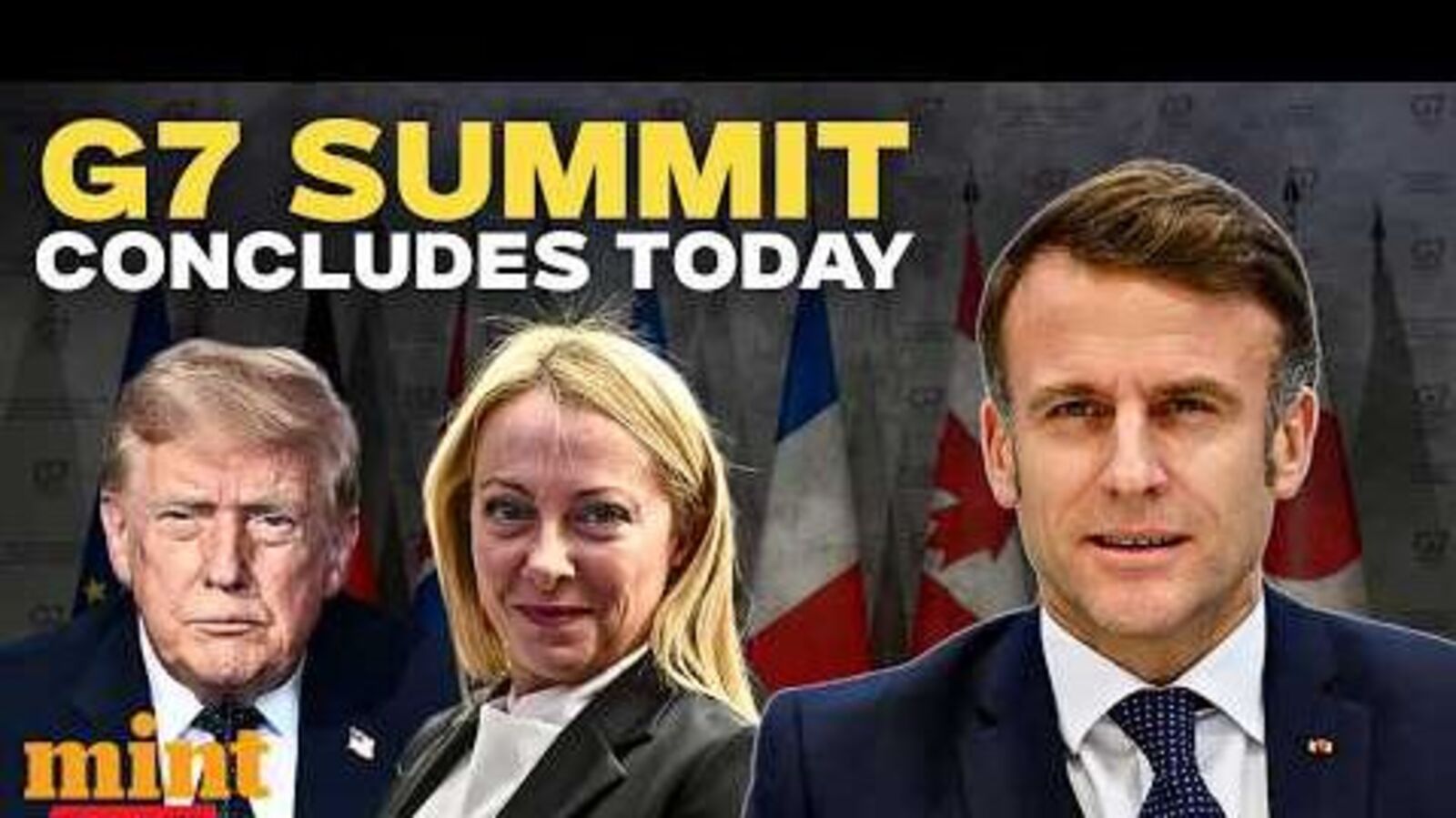
G7 Summit Concludes in Évian-les-Bains, France
Theindiapostdaily.com – The Group of Seven (G7) has endorsed the U.S.-Iran deal, calling for an immediate ceasefire in Lebanon as part of its broader diplomatic efforts. Held in Évian-les-Bains, France, from June 15 to 17, 2026, the summit focused on key global issues, with leaders emphasizing cooperation to address emerging threats. The G7’s support for the U.S.-Iran agreement marks a significant step in stabilizing the Middle East, while their push for a Lebanon ceasefire highlights regional concerns over escalating conflicts.
Endorsement of U.S.-Iran Deal and Lebanon Ceasefire
During the summit, G7 leaders reaffirmed their backing for the U.S.-Iran deal, which was finalized under former President Donald Trump’s administration. The agreement aims to limit Iran’s nuclear capabilities and curb its ballistic missile programs, providing a framework for diplomatic engagement. In parallel, the group demanded an immediate ceasefire in Lebanon to halt the ongoing violence and pave the way for peace talks. This dual focus reflects the G7’s desire to address both nuclear proliferation and regional instability simultaneously.
“The G7 recognizes the breakthrough achieved through the U.S.-Iran agreement as a critical opportunity to prevent Iran from acquiring nuclear weapons,” the statement read. “We also urge all parties to prioritize a ceasefire in Lebanon, ensuring humanitarian aid reaches affected populations and reducing the risk of further escalation.”
Maritime Security and Energy Resilience Strategies
A major emphasis of the G7 summit was on securing global maritime trade routes, particularly the Strait of Hormuz. Leaders supported a Franco-British initiative to protect commercial vessels and clear mines from the strategic waterway, aiming to safeguard energy supplies and ensure uninterrupted flow. This effort aligns with the G7’s broader goal of diversifying energy transportation networks to reduce dependence on single corridors and enhance resilience against geopolitical disruptions.
Canada’s role in expanding energy exports was highlighted as a key component of the G7’s strategy to stabilize international markets. The country’s commitment to increasing oil and gas shipments is seen as a vital contribution to global energy security, especially amid concerns over supply chain vulnerabilities. The G7 also pledged to strengthen partnerships with regional stakeholders to monitor and mitigate risks to energy infrastructure.
Regional Stability and Nuclear Threats
Leaders reiterated their stance on Iran’s nuclear program, stressing the importance of the International Atomic Energy Agency (IAEA) in verifying compliance with the U.S.-Iran deal. The G7 called for sustained dialogue to ensure that Iran’s nuclear activities remain within agreed limits and that its ballistic missile program is curbed. This position underscores the group’s concern over Iran’s growing influence in the region and its potential to trigger wider conflicts.
“We remain committed to the long-term goal of a comprehensive agreement that addresses Iran’s nuclear ambitions and regional threats,” the G7 statement emphasized. “The IAEA’s role in monitoring progress is essential to maintaining trust and preventing a nuclear arms race.”
The summit also addressed the broader implications of the U.S.-Iran deal on global security. By fostering a more stable Middle East, the agreement could reduce tensions with neighboring countries and create a more predictable environment for trade and diplomacy. However, leaders acknowledged that ongoing verification efforts are necessary to sustain this progress and prevent future escalations.
Ukraine Conflict and Economic Sanctions
The G7 continued to express solidarity with Ukraine, pledging to intensify support for the country’s defense against Russia. With the war in its fourth year, the group emphasized the need for additional military aid, including advanced air defense systems and funding for industrial production of weapons. This commitment aligns with their strategy to weaken Russia’s war economy through targeted sanctions.
“The G7 remains united in its support for Ukraine’s sovereignty and territorial integrity,” the statement declared. “We will continue to provide critical resources and economic pressure to ensure the conflict ends as soon as possible.”
Sanctions on Russia’s energy sector were reiterated as a key tool to limit its financial resources and force a diplomatic resolution. By targeting energy exports, the G7 aims to reduce Russia’s ability to fund its military operations and pressure it into negotiations. This approach has been consistent with previous measures, underscoring the group’s strategic focus on economic leverage in conflict resolution.
Indo-Pacific Tensions and North Korea’s Programs
While the G7’s immediate priorities centered on the Middle East and Europe, they also addressed growing tensions in the Indo-Pacific. Leaders voiced concerns over North Korea’s nuclear and ballistic missile advancements, reaffirming their commitment to achieving complete denuclearization. The G7 urged continued pressure on Pyongyang through sanctions and diplomatic engagement, emphasizing the need for a peaceful resolution to regional disputes.
The summit highlighted the importance of maintaining a free and open Indo-Pacific region, where legal frameworks and international cooperation are central to stability. By opposing coercive changes to the status quo in the East and South China Seas, the G7 sought to reinforce multilateralism and prevent unilateral actions that could destabilize the area. This focus on the Indo-Pacific underscores the group’s global outlook and its efforts to address cross-border security challenges.