Funeral of Ayatollah Ali Khamenei to be held on July 9 in Mashhad: Here is why the date is significant
The funeral of Ayatollah Ali Khamenei, Iran’s former Supreme Leader
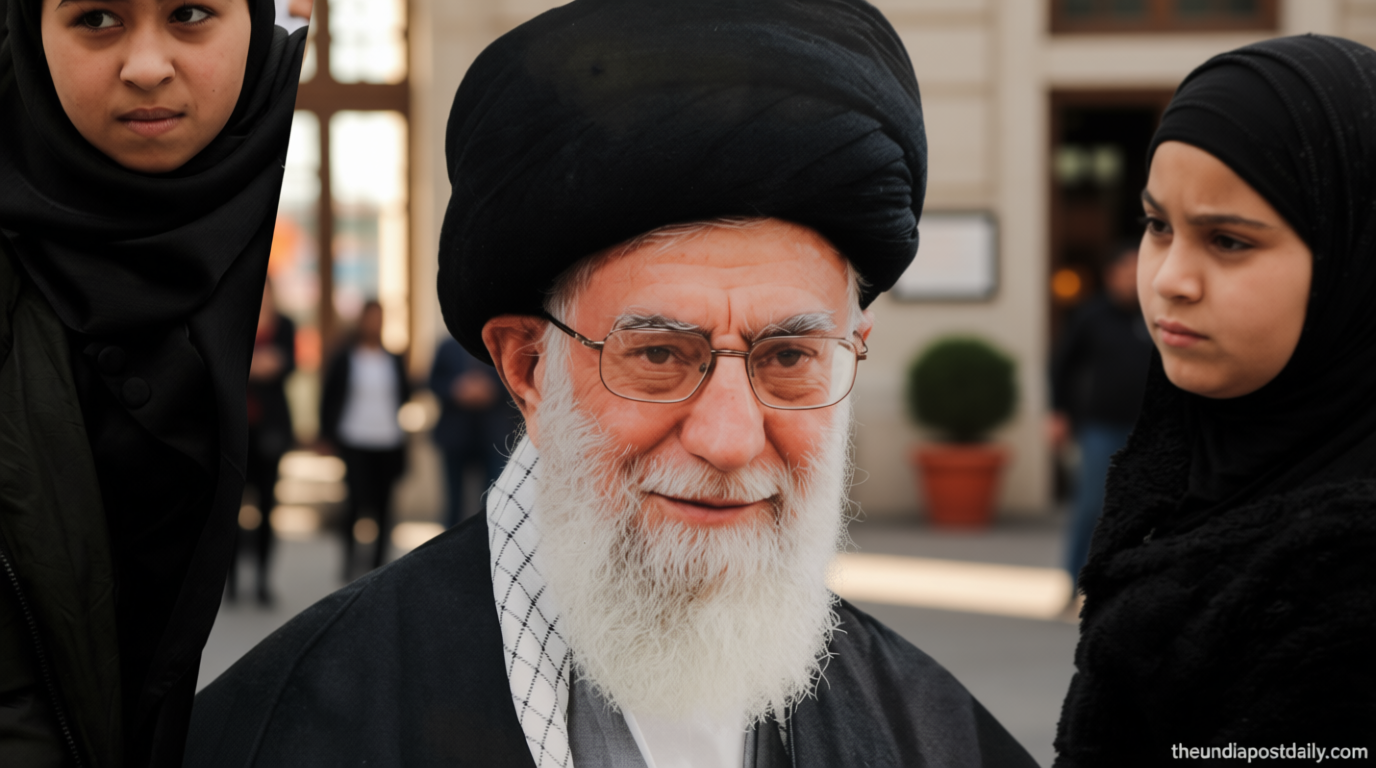
Ayatollah Ali Khamenei’s Funeral on July 9 in Mashhad: A Significant Date
Theindiapostdaily.com – The funeral of Ayatollah Ali Khamenei, Iran’s former Supreme Leader, is set to take place on July 9 in Mashhad. This date holds deep religious and political importance, marking the culmination of a 131-day mourning period that began with his death on February 28. State media confirmed the event, which includes a multi-day ceremony across key cities, highlighting the symbolic weight of the timing in both Islamic tradition and Iranian governance.
The Mourning Period and Religious Context
While Islamic customs typically call for burial within 24 hours, the delay in Ayatollah Khamenei’s funeral aligns with the extended mourning practices observed in Shia Islam during major events. This period allows for public mourning rituals, such as the recitation of elegies and the display of effigies, which are integral to the faith’s devotion to spiritual reflection. The decision to hold the ceremony over several days also underscores the importance of communal mourning in Iranian society, particularly for a leader who shaped the nation’s political and religious landscape.
“The timing of the funeral is carefully chosen to honor Ayatollah Khamenei’s legacy and reflect on his contributions to the Islamic Republic,” said a senior Iranian official in a recent statement. “This day is not just a memorial but a pivotal moment in our national calendar.”
The nine-day interval from his passing to the burial in Mashhad also coincides with the 13th day of the month of Muharram, a sacred time in Shia Islam associated with the martyrdom of Imam Hussein. By selecting this date, the Iranian leadership may be drawing symbolic parallels between Khamenei’s life and the historical significance of the day, reinforcing his role as a spiritual and political figure.
Historical Precedents and Political Symbolism
Ayatollah Khamenei’s funeral date is notable for its alignment with past mourning events. For instance, the funeral of his predecessor, Ayatollah Ruhollah Khomeini, was held on July 9, 1989, exactly 131 days after his death in 1989. This repetition of the date may serve to emphasize continuity in Iran’s leadership, linking Khamenei’s legacy to the foundational era of the Islamic Republic. The choice of Mashhad, a city revered for its religious sites and the shrine of Imam Reza, further cements the event’s spiritual undertones.
Additionally, the timing may be strategic in the context of international relations. The funeral occurs shortly after a tentative agreement between the U.S. and Iran on peace talks, which could signal a shift in diplomatic dynamics. While the ceremony is primarily a domestic affair, its global resonance is expected, as leaders from across the world will likely pay tribute to Khamenei’s influence on Middle Eastern politics and his role in maintaining Iran’s theocratic regime.
Family Tragedy and National Impact
The funeral of Ayatollah Ali Khamenei is not only a national event but also a deeply personal one, as the attack on February 28 claimed the lives of several family members. His daughter Boshra Khamenei, daughter-in-law Zahra Haddad-Adel, son-in-law Mesbah Bagheri Kani, and granddaughter Zahra Mohammadi Golpayegani were among the casualties. This tragedy has intensified the mourning process, with families and citizens across Iran expressing profound grief over the loss of both the leader and his loved ones.
“The unity of the Iranian people is reflected in the collective sorrow and reverence for Ayatollah Khamenei’s memory,” remarked a prominent cleric during a recent sermon. “His passing has brought the nation together in mourning, reaffirming his role as a unifying figure.”
The funeral is expected to be a showcase of Iran’s resilience and solidarity, with thousands participating in processions and rituals that highlight the deep cultural and religious roots of the country’s identity.
Succession and Leadership Transition
Ayatollah Ali Khamenei’s son Mojtaba Khamenei, who survived the attack, has been appointed as the new Supreme Leader. However, his leadership has been marked by a lack of public visibility, raising questions about his readiness to assume the mantle of Iran’s most powerful position. Analysts suggest that the Islamic Revolutionary Guard Corps (IRGC) may be playing a key role in the transition, given the military’s prominence in Iranian politics.
While the IRGC’s influence is widely acknowledged, Tehran’s leadership has sought to maintain the image of a smooth succession. The funeral, with its carefully planned schedule, may be part of this effort to solidify Mojtaba’s position and ensure a stable transition of power. The event also serves as a platform to reaffirm the principles of the Islamic Republic, emphasizing the importance of religious leadership in shaping the nation’s future.
Global Reactions and Long-Term Implications
The funeral of Ayatollah Ali Khamenei is anticipated to draw international attention, with global leaders and diplomats likely attending. This high-profile event will provide an opportunity for Iran to project its religious and political identity on the world stage. The timing, coinciding with ongoing U.S.-Iran negotiations, could also influence the direction of those talks, as the mourning period may be used to highlight shared interests or reaffirm ideological differences.
Historically, the selection of such dates has often carried symbolic weight. For example, the July 9 date has been used in past instances to commemorate pivotal moments in Iran’s history, including the 1979 Islamic Revolution. As the funeral unfolds, it may serve as a reminder of Khamenei’s enduring impact, not only on Iran but also on the broader Middle East. The ceremony’s legacy will likely be felt in the months and years to come, shaping the political and religious discourse of the Islamic Republic.