FIFA World Cup 2026 Halftime Show: What happened during FIFA’s first-ever halftime spectacle?
FIFA World Cup 2026 Halftime Show: First-Ever Spectacle Unveiled Theindiapostdaily.com – The FIFA World Cup 2026 Halftime Show emerged as a groundbreaking addition to the tournament’s legacy, marking the debut…
FIFA World Cup 2026 Halftime Show: First-Ever Spectacle Unveiled
Theindiapostdaily.com – The FIFA World Cup 2026 Halftime Show emerged as a groundbreaking addition to the tournament’s legacy, marking the debut of a musical intermission during the final match. This unprecedented move by FIFA transformed the traditional sports-focused event into a multifaceted celebration of global culture, with the halftime spectacle serving as a defining moment in the 2026 edition. The show not only entertained millions of fans but also redefined how international football events engage with broader entertainment sectors.
For years, the FIFA World Cup had maintained a streamlined format, prioritizing the game over ancillary events. However, the 2026 final at MetLife Stadium in New Jersey showcased a bold evolution. The halftime show, curated by Chris Martin of Coldplay, featured a curated lineup of artists, blending musical artistry with the grandeur of the World Cup’s closing chapter. This decision aimed to elevate the final to a cultural phenomenon, aligning it with the scale of the Super Bowl’s long-standing tradition of high-profile performances.
Headliners and Global Appeal
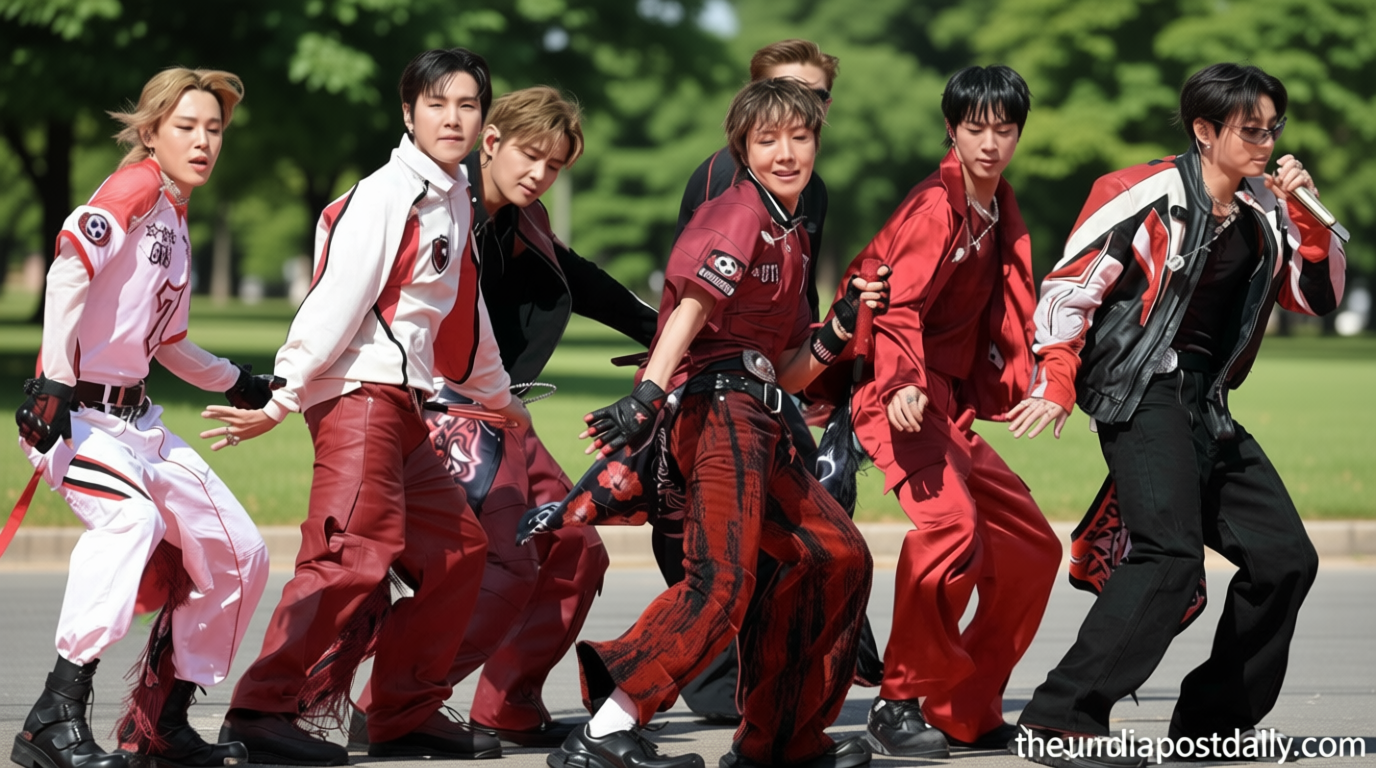
The FIFA World Cup 2026 Halftime Show drew a stellar阵容 of global superstars, including Madonna, Shakira, and BTS. These artists were selected for their ability to transcend cultural boundaries and captivate diverse audiences, reflecting FIFA’s ambition to create a universally resonant experience. The performance included a medley of hits, with BTS delivering an energetic set that paid homage to the spirit of football. Madonna’s iconic dance routines and Shakira’s vibrant flair added a theatrical dimension, ensuring the show was as much a spectacle as the match itself.
The lineup’s diversity underscored FIFA’s commitment to inclusivity, with performances spanning pop, rock, and K-pop genres. The halftime show’s production was meticulously designed to match the World Cup’s global reach, featuring state-of-the-art lighting, choreography, and a stage setup that transformed the stadium into a concert venue. This blend of sports and music not only entertained but also reinforced the idea that football events can serve as platforms for cultural exchange and artistic innovation.
Stars in Attendance
The FIFA World Cup 2026 Halftime Show was not just a musical event—it was a gathering of global celebrities. US President Donald Trump and his wife Melania were among the notable attendees, their presence adding a political flair to the proceedings. Tom Cruise, Beyoncé, and Jay-Z also graced the stands, while actors like Matt Damon and Timothée Chalamet, along with reality stars such as Kylie Jenner, contributed to the star-studded atmosphere. This mix of personalities highlighted the event’s appeal beyond the sports realm.
Other high-profile guests included Serena Williams, Mick Jagger, and Dua Lipa, with even the Muppets making a cameo. The inclusion of such varied figures underscored the show’s ability to attract both football enthusiasts and music lovers. Taylor-Joy, who wore an Argentina jersey, became a focal point of the event, symbolizing the fusion of cultural pride and global entertainment. Despite minor hiccups, such as an announcer’s misidentification of Pharrell Williams as A$AP Rocky, the show’s grandeur and ambition remained undiminished.
Social Impact and Financial Commitment
FIFA integrated its social mission into the halftime show, with proceeds from the event supporting the FIFA Global Citizen Education Fund. This initiative aims to raise $100 million to fund educational programs and football development for underprivileged children worldwide. By linking the spectacle to charitable efforts, FIFA emphasized its role as a global leader in promoting both sport and social progress.
The success of the FIFA World Cup 2026 Halftime Show has already sparked discussions about its potential as a recurring tradition. While some critics initially questioned the shift from pure sports to entertainment, the event’s scale and execution have garnered widespread acclaim. This marks a pivotal moment for FIFA, setting a new standard for future tournaments to embrace innovative formats that honor both the game and its cultural significance.
As the 2026 FIFA World Cup Halftime Show concluded, it left a lasting impression on fans and industry experts alike. The seamless integration of music and football demonstrated FIFA’s ability to adapt and evolve, ensuring the tournament remains relevant in a rapidly changing media landscape. With its success, the halftime spectacle is poised to become an essential part of the World Cup experience, offering a unique blend of sport, art, and philanthropy for years to come.