Earthquake today: Massive 7.8 magnitude quake shakes Philippines’ Mindanao; tsunami warnings issued for Malaysia too
Today's earthquake has sent shockwaves through the Philippines' Mindanao region as a powerful
Earthquake Today: 7.8-Magnitude Quake Shakes Mindanao, Tsunami Warnings Issued for Malaysia
Theindiapostdaily.com – Today’s earthquake has sent shockwaves through the Philippines’ Mindanao region as a powerful 7.8-magnitude tremor struck at 7:37 AM local time. According to the German Research Centre for Geosciences, the epicenter was located 24.7 kilometers west-southwest of Burias, Philippines, at a depth of 35 kilometers. The event, which has raised concerns across Southeast Asia, prompted tsunami warnings for parts of Malaysia and nearby coastal areas, underscoring the interconnectedness of seismic activity in the Pacific region.
Seismic Activity and Regional Concerns
The 7.8-magnitude earthquake today has drawn immediate attention from the Pacific Tsunami Warning Center, which assessed the risk of tsunami waves reaching up to 3 meters in height along the coasts of Indonesia, the Philippines, Palau, Taiwan, and Papua New Guinea within the next three hours. While the initial warnings suggested waves could be as high as 1 meter in Malaysia and some Indonesian regions, no significant threat was detected toward Hawaii or the U.S. mainland. This highlights the unpredictable nature of such seismic events and the need for swift, coordinated responses across affected areas.
“Residents should remain alert and evacuate to higher ground if necessary,” advised Teresito Bacolcol, a spokesperson for the Philippine Institute of Volcanology and Seismology, addressing coastal communities. “Even minor waves can cause damage in low-lying areas, so preparedness is crucial.”
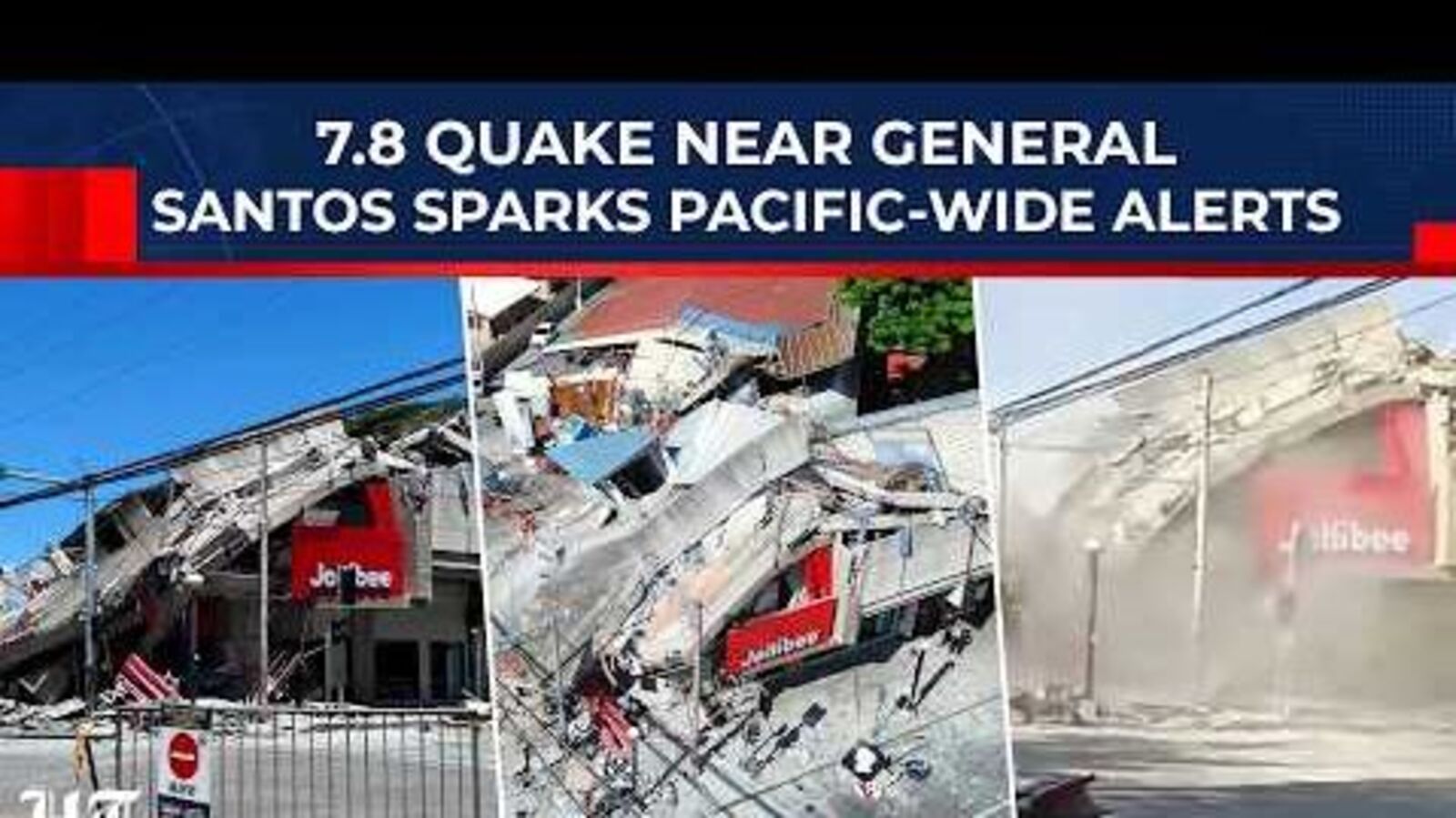
Local authorities in the Philippines reported initial damage, including a collapsed building in the central region, though the footage of the incident has not yet been verified. In Alabel, Sarangani province, minor cracks were observed at the police station, according to Benjie Ancheta, the local police chief. Ancheta noted that the earthquake today was the strongest they had experienced, with reports of several individuals fainting due to the intensity of the tremor. Despite the chaos, no immediate casualties have been confirmed, but the situation remains under close monitoring.
Global Response and Secondary Impacts
The earthquake today has triggered a broader response from regional and international bodies, with updates being shared in real-time. Seismic networks across the Pacific are analyzing data to determine if the event could lead to aftershocks or trigger further volcanic activity. The Philippines, situated on the Pacific “Ring of Fire,” is no stranger to such occurrences, with its geography making it a frequent hotspot for earthquakes and typhoons. The country experiences approximately 20 typhoons annually, adding to its vulnerability to natural disasters.
Residents in North Sulawesi and North Maluku provinces of Indonesia reported feeling strong tremors, while smaller tsunami waves were expected in Taiwan, Japan, Guam, and other island nations in the western Pacific. This earthquake today serves as a reminder of the region’s seismic fragility, with its proximity to tectonic fault lines increasing the likelihood of future events. In Malaysia, authorities have been urging coastal communities to take precautions, emphasizing the importance of early warning systems in mitigating risks.
Historical Context and Future Preparedness
Historically, the Philippines has been prone to earthquakes due to its location at the intersection of several tectonic plates. The 7.8-magnitude earthquake today aligns with this pattern, echoing past incidents such as the 1991 Luzon earthquake, which registered a 7.8 magnitude and caused widespread damage. The country’s seismic history underscores the need for robust infrastructure and disaster response plans. Experts warn that while the current event is significant, the Philippines must remain vigilant for potential future quakes, particularly as the region continues to experience tectonic shifts.
As the earthquake today subsides, the focus is shifting to recovery and prevention. Local and national governments are collaborating to assess the extent of damage and ensure that emergency services are deployed effectively. The incident has also sparked discussions about the importance of public education on earthquake safety, especially for communities living in coastal regions. With the potential for tsunamis and other secondary effects, the Philippines and neighboring countries are working to enhance their preparedness strategies to safeguard lives and property.