Donald Trump’s next Iran strike could be economic: US promises ‘never-seen-before’ measures
Treasury Secretary Scott Bessent announced that Donald Trump s next Iran strike could target the country's economy rather than military installations
Trump’s Next Iran Strike May Be Economic: ‘Never-Seen-Before’ Measures
Theindiapostdaily.com – Treasury Secretary Scott Bessent announced that Donald Trump s next Iran strike could target the country’s economy rather than military installations. Washington plans to unveil sweeping financial actions in the coming days, marking an escalation in the administration’s strategy to compel Tehran to surrender after nearly half a year of hostilities.
Watch this space for more announcements coming next week because we are going to apply measures like have never been seen in the history of economic isolation on a country, Bessent said in an interview with Newsmax on Thursday.
According to Bessent, these financial tools will complement an ongoing maritime blockade of Iranian harbors, creating what he described as a “one-two punch” against the Islamic Republic.
Conflict Background and Current Stalemate
Violence began on February 28 when American and Israeli forces conducted aerial bombardments against Iranian targets. Tehran retaliated with missile and drone strikes directed at US military installations and allied positions throughout the Middle East. Before a ceasefire was reached in June, thousands of casualties were recorded, predominantly among Iranian civilians and military personnel.
Negotiations seeking a permanent resolution have encountered difficulties, while sporadic fighting persists. These ongoing clashes have interfered with the transportation of petroleum and other vital resources from the region.
Iran’s financial situation has deteriorated considerably. Industrial infrastructure has sustained substantial damage, and American port restrictions have dramatically reduced crude oil shipments. Nevertheless, the Islamic Republic has survived multiple rounds of penalties without compromising its nuclear ambitions or surrendering authority over the strategic waterway.
Economic Tools and Diplomatic Challenges
President Donald Trump has recently intensified calls for additional financial pressure on Iran. Washington currently experiences a deficit in essential ammunition supplies and seems cautious about broadening military operations amid rising domestic resistance ahead of November’s midterm elections.
We are just watching Iran with its huge inflation and the fact they have no money, Trump told Axios over the weekend.
Despite decades of penalties and a fresh campaign featuring complete port closures, analysts question what substantial economic actions remain available to Washington. Implementing secondary penalties against purchasers of Iranian petroleum—particularly China—could trigger Beijing’s retaliation and increase worldwide energy market volatility.
Trump and other high-ranking officials have frequently issued strong warnings toward Tehran without always following through, attempting to push the Islamic Republic toward negotiations. Many observers now characterize the situation as a diplomatic deadlock.
The United States has imposed approximately 2,200 sanctions on Iran since 2018, according to Jeremy Paner, a partner at Hughes Hubbard & Reed who monitors designations within Iran’s oil and petrochemical industries.
If 47 years of sanctions haven’t broken Tehran’s will, more of the same is unlikely to produce any changes, according to a Bloomberg Economics report led by Jennifer Welch.
Welch anticipates that Trump will continue his current approach, combining sustained penalties, the maritime blockade, occasional military strikes, and diplomatic engagement.
Hormuz Waterway Tensions Escalate
Iran has restructured its armed forces to adopt a more assertive posture internationally, signaling preparation for potential extended regional confrontation as peace discussions remain stuck.
The Strait of Hormuz continues representing a central obstacle. Both nations assert dominance over the channel, which carried twenty percent of global oil and gas shipments before the conflict began. Each side demands concessions that appear difficult to achieve.
Iran and Oman have engaged in extended negotiations regarding a commercial shipping corridor through the strait, though Washington has not participated in these conversations. Mohsen Rezaee, the recently designated secretary of Iran’s Supreme National Security Council, indicated that any agreement would operate independently from comprehensive port reopening.
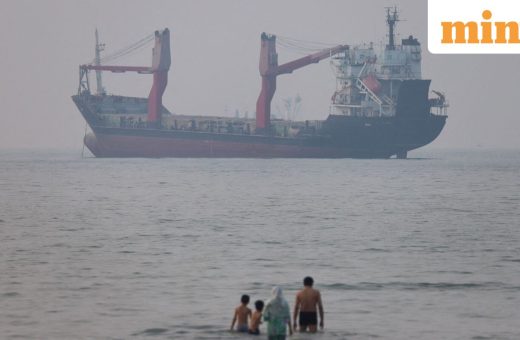
On Thursday evening, two vessels belonging to Abu Dhabi National Oil Co. came under attack while navigating Hormuz, according to the United Arab Emirates’ state news agency WAM. Reports confirmed no injuries, with the incident brought under control.
The UAE foreign ministry issued a statement condemning the assault, characterizing attacks on commercial vessels and the use of the strait for economic coercion as “acts of piracy” committed by Iran.
Frequently Asked Questions
What is Donald Trump s next Iran strike likely to target? The next strike may focus on economic measures rather than military targets, including new sanctions and financial restrictions on Iranian oil exports.
How many sanctions has the US imposed on Iran since 2018? According to Jeremy Paner of Hughes Hubbard & Reed, the United States has imposed approximately 2,200 sanctions on Iran since 2018.
What role does the Strait of Hormuz play in the conflict? The Strait of Hormuz carried twenty percent of global oil and gas shipments before the conflict. Both Iran and the US assert dominance over this critical waterway.
Are there any ongoing diplomatic negotiations? Iran and Oman have engaged in extended negotiations regarding a commercial shipping corridor through the strait, though Washington has not participated in these conversations.
What economic measures is the US planning? Treasury Secretary Scott Bessent announced that Washington will unveil sweeping financial actions, including potential secondary penalties against purchasers of Iranian petroleum, particularly China.