China floods: More than 900 snakes slither out of Guangxi breeding farms; authorities race to capture them
Snakes Escape into Villages Snake Escapes Amid Flooding China floods have sparked a unique crisis in Guangxi, where more than 900 snakes have fled from
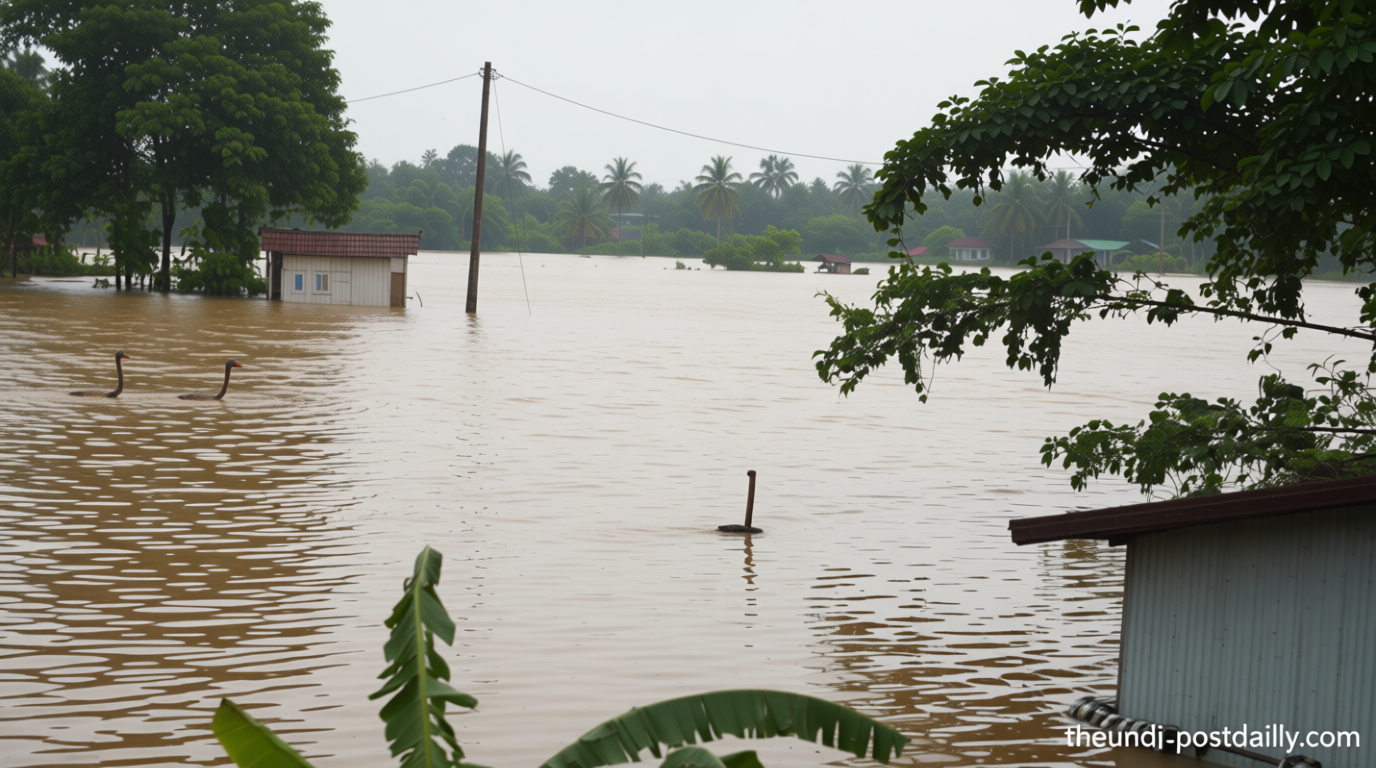
China Floods Disrupt Snake Farms, Over 900 Snakes Escape into Villages
Snake Escapes Amid Flooding
Theindiapostdaily.com – China floods have sparked a unique crisis in Guangxi, where more than 900 snakes have fled from submerged breeding farms into nearby communities. The unexpected surge of these reptiles has raised public safety concerns, prompting local authorities to launch emergency operations to recapture them. Bloomberg, citing state media reports, noted that the snakes, including venomous species like cobras, are now roaming farmland and villages, creating a challenge for residents and wildlife experts alike.
The floods, which have inundated multiple commercial snake farms in Guangxi—the country’s leading hub for snake breeding—have led to the release of hundreds of animals. Video footage shared online shows snakes navigating through floodwaters, some even climbing onto rooftops in search of higher ground. This mass escape has not only disrupted the local ecosystem but also highlighted the vulnerability of infrastructure in flood-prone regions. Officials are working closely with zoologists to ensure the safe retrieval of these snakes, as their presence in populated areas poses a risk to both humans and livestock.
Snakebite Incidents and Emergency Response
As the floods intensified, reports of snakebite incidents surged, raising alarms about the immediate dangers faced by communities. A woman in Hengzhou tragically lost her life after being bitten by a snake during the disaster, according to local media. Her hospital journey was delayed by flooded roads, underscoring the cascading effects of the China floods on emergency services. Similarly, a man was bitten while cleaning his waterlogged home, struggling to access medical care due to impassable roads.
Authorities have since established temporary clinics and mobile medical units to address the rising number of snakebite cases. These efforts aim to expedite treatment and reduce the mortality rate among affected individuals. Emergency teams are also deploying snake-catching specialists, who use tools like nets and traps to safely recapture the reptiles. The incident has prompted discussions about the need for better flood preparedness in areas housing hazardous wildlife.
Guangxi’s Snake Industry and Economic Impact
Guangxi is home to China’s most extensive snake farming operations, with an estimated 30 million snakes bred for traditional medicine, leather goods, and food. Over decades, the region has transformed the industry from small-scale backyard farms into a highly organized enterprise, supporting pharmaceutical companies and biotechnology firms across the nation. However, the recent China floods have disrupted this critical sector, threatening the livelihoods of thousands of farmers and workers.
The damage extends beyond snake farms, as pig farms and jasmine plantations have also been submerged. Floodwaters have forced animals like pigs to seek refuge in elevated areas, while the destruction of jasmine crops—valued for their fragrance and use in perfumes—has dealt a blow to local agriculture. Timber operations and other industries have similarly suffered, with the broader economic repercussions of the China floods becoming increasingly evident. Experts warn that the disruption could delay supply chains and affect the global availability of snake-derived products.
Wildlife Displacement and Recovery Efforts
The floods have not only displaced snakes but also other animals in Guangxi’s ecosystems. In Guigang, a zoo reported that over 100 creatures, including zebras, ostriches, and peacocks, escaped due to rising water levels. The zoo urgently called on residents to assist in locating the animals, emphasizing the need for public cooperation during the crisis. This incident underscores the interconnectedness of flood events and biodiversity, as wildlife habitats are forced to adapt to rapidly changing conditions.
Recovery teams are working to secure affected areas and relocate displaced animals. In addition to snakes and zoo inhabitants, birds and small mammals have also been observed taking refuge in higher ground. Environmentalists stress that while the immediate danger is managed, the long-term impact of the China floods on local wildlife populations remains a concern. Efforts to rehabilitate the affected areas are ongoing, with a focus on restoring both ecological balance and infrastructure.
Community Response and Public Awareness
Residents in Guangxi have played a crucial role in the response to the China floods. Local communities have organized themselves to assist in snake capture, with volunteers using flashlights and long poles to guide the reptiles back to their enclosures. Schools and businesses have also contributed, with some closing temporarily to ensure the safety of students and employees. Public awareness campaigns have been launched to educate residents about snake behavior and how to avoid encounters.
Authorities have taken measures to mitigate the risks, including setting up warning signs in flood-affected zones and distributing informational pamphlets. Social media platforms have become vital tools for disseminating real-time updates, with videos of snakes in the wild gaining widespread attention. This heightened awareness has fostered a sense of collective responsibility, as communities rally to protect both their people and the region’s unique wildlife.
Long-Term Implications of the China Floods
The China floods have exposed vulnerabilities in Guangxi’s agricultural and industrial infrastructure, particularly in the snake farming sector. With over 900 snakes now free, the region faces challenges in re-establishing control over these animals. Experts warn that if not contained, the escape could lead to increased human-wildlife conflicts and a potential rise in snakebite cases. The floods also serve as a reminder of the need for climate resilience strategies to protect both economic interests and ecological systems.
As the water recedes, officials are evaluating the damage and planning for future flood events. This includes reinforcing breeding facilities, improving drainage systems, and creating buffer zones to prevent similar escapes. The incident has sparked debates about the sustainability of snake farming in flood-prone areas, with some advocating for more eco-friendly practices. For now, the focus remains on safely retrieving the snakes and supporting the communities impacted by the China floods.