Can Strait of Hormuz become ‘redundant’ in 5 years as Iran war drags on? Here are the alternate routes for Gulf states
Can Strait of Hormuz become less important within five years? The question has gained urgency as the conflict involving Iran raises fresh concerns about the
Can Strait of Hormuz Become Less Vital to Gulf Oil Exports?
Theindiapostdaily.com – Can Strait of Hormuz become less important within five years? The question has gained urgency as the conflict involving Iran raises fresh concerns about the narrow waterway used by major Gulf oil exporters. Saudi Arabia and the United Arab Emirates already have pipeline routes that avoid the strait, but replacing its role would require far broader investment in infrastructure, storage and alternative ports.
At the HSBC Future Forum in Dubai, HSBC Group chief executive Georges Elhedery said the region could recover and continue to grow, although doing so would demand significant spending on new capacity and connections.
“We do see this region being able to recover and then continue growing. It will mean a lot of investment.”
Elhedery said he hoped the conflict would be resolved, while arguing that the Strait of Hormuz could eventually become far less essential.
“Of course, we do wish and hope to see a resolution to the conflict … But Hormuz, probably in five years’ time, may become redundant.”
Why the Strait of Hormuz Still Matters
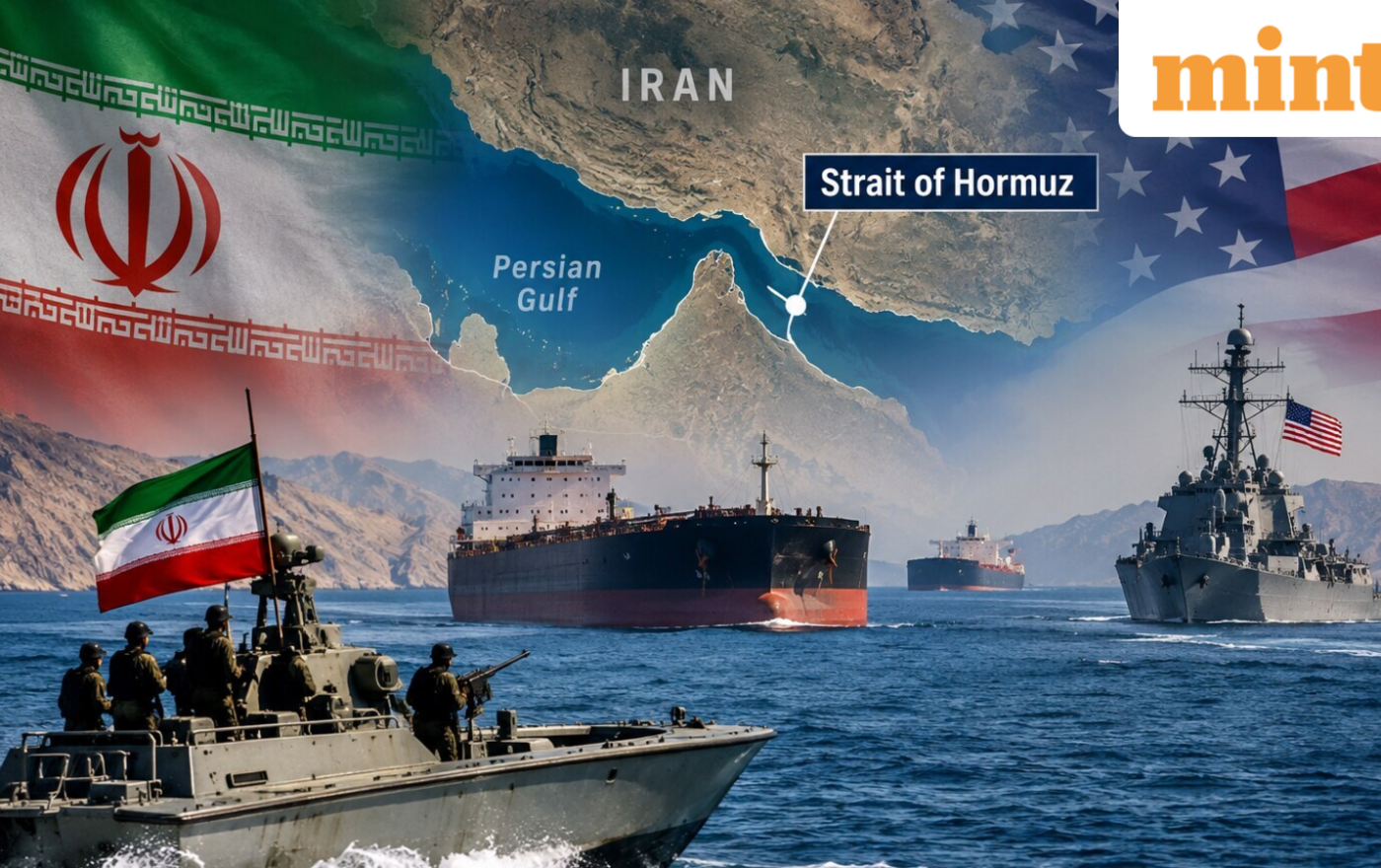
The Strait of Hormuz connects the Persian Gulf with the Gulf of Oman and international shipping lanes. It is a crucial outlet for oil produced across the Gulf, so any disruption or threat to navigation can quickly affect energy supply concerns, shipping costs and tanker schedules.
For Gulf producers, the challenge is not merely finding another direction for tankers. A reliable alternative requires pipelines that can move large volumes of crude, storage facilities near export terminals, loading infrastructure and secure routes to overseas markets. Can Strait of Hormuz become a secondary option? That depends on whether these systems can be expanded enough to handle a meaningful share of current exports.
Saudi Arabia’s East-West Pipeline
Saudi Arabia has an established bypass route through its East-West pipeline, also known as Petroline. The pipeline runs from Abqaiq in the east of the kingdom to Yanbu on the Red Sea coast, providing an export outlet beyond the Persian Gulf.
Crude arriving at Yanbu can be loaded onto tankers without passing through the Strait of Hormuz. This gives Saudi Arabia greater flexibility during disruption, but it does not remove every risk from the supply chain. Shipping in the Red Sea has also faced security threats linked to the Iran-aligned Houthis.
The East-West pipeline is therefore a valuable part of Saudi Arabia’s energy-security strategy, rather than a complete replacement for established Gulf shipping routes.
The UAE’s Habshan-Fujairah Route
The UAE has another important alternative: the Abu Dhabi Crude Oil Pipeline, or ADCOP. It runs for roughly 400 kilometres from Habshan in Abu Dhabi to Fujairah on the Gulf of Oman, outside the Strait of Hormuz.
Fujairah allows crude to be exported from a location beyond the chokepoint. The pipeline is understood to have capacity of about 1.8 million barrels a day and is already used for UAE exports. Its importance could grow if the country further develops pipeline throughput, storage and port facilities.
What Would Make Gulf Exports More Resilient?
Pipelines alone cannot make the Strait of Hormuz redundant. Gulf states would need a larger network of alternative export routes, additional crude storage, stronger marine terminals and dependable security arrangements. Such a network could give producers more choices when conditions inside the Gulf become difficult.
New logistics corridors may also help, but they would need to be commercially practical and capable of handling sustained volumes. The goal is likely to be diversification rather than a sudden abandonment of the strait.
FAQ: Can Strait of Hormuz Become Redundant?
Could Saudi Arabia export oil without using the Strait of Hormuz?
Saudi Arabia can use the East-West pipeline to send crude to Yanbu on the Red Sea coast. However, this route is one part of its export system and does not eliminate wider shipping and security risks.
How does the UAE bypass the Strait of Hormuz?
The UAE uses the Abu Dhabi Crude Oil Pipeline to move oil from Habshan to Fujairah, which is located on the Gulf of Oman beyond the strait.
Can Strait of Hormuz become redundant in five years?
It may become less central if Gulf states substantially expand alternative pipelines, ports and storage. Yet its current role in regional oil exports means full redundancy would depend on major infrastructure investment and reliable alternative shipping routes.