British Prime Minister Keir Starmer to resign on Monday, sets out timetable for departure: Report
British Prime Minister Keir Starmer Announces Resignation: Leadership Crisis Report British Prime Minister Keir Starmer to resign - British Prime Minister
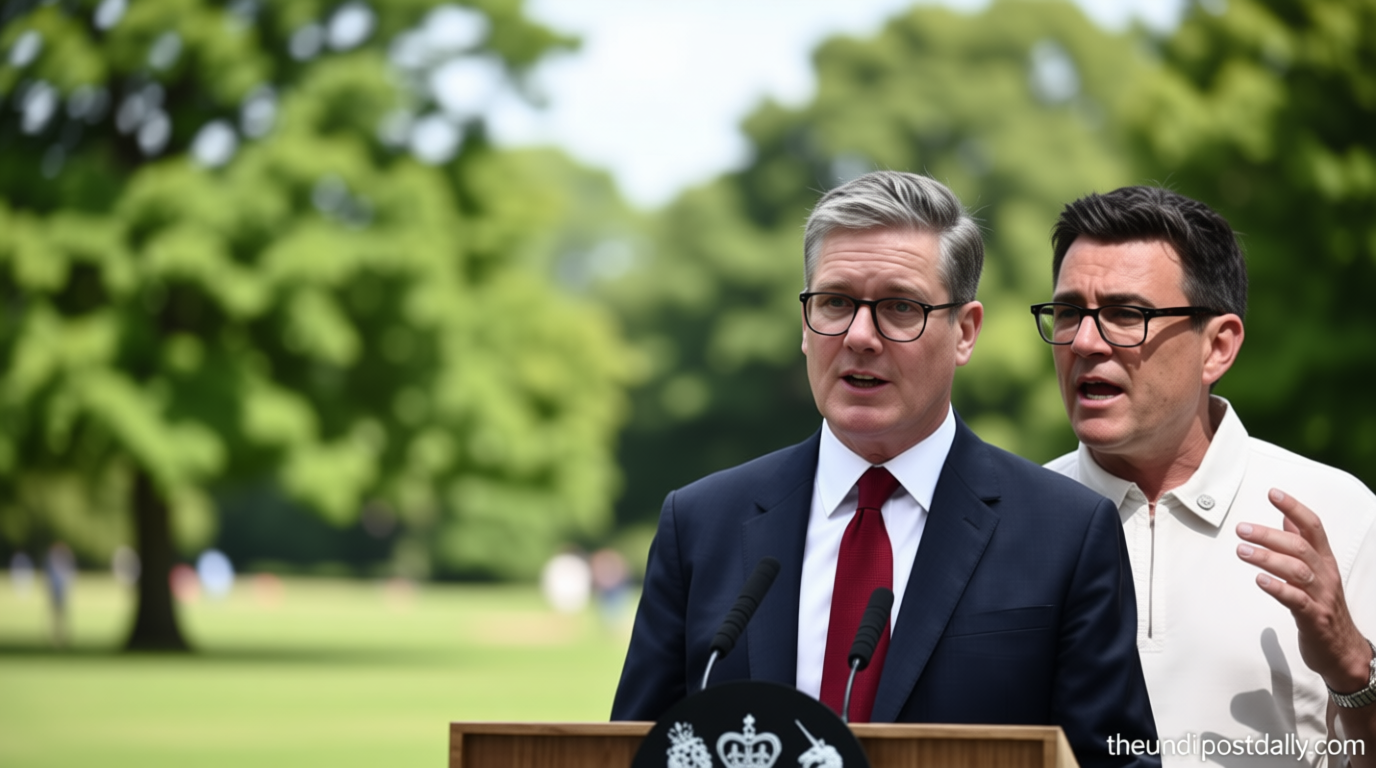
British Prime Minister Keir Starmer Announces Resignation: Leadership Crisis Report
Theindiapostdaily.com – British Prime Minister Keir Starmer is poised to step down from his role on Monday, June 22, 2024, as mounting pressure within the Labour Party and declining public support culminate in his decision to leave office, according to a recent report by the Observer. The news marks a pivotal moment in UK politics, with Starmer’s resignation setting the stage for a leadership transition that could reshape the nation’s political landscape. The report details a timetable for his departure, signaling the end of his tenure as the country’s head of government.
Starmer’s decision comes amid a leadership crisis that has gripped the Labour Party, with internal dissent and strategic missteps undermining his ability to consolidate power. The Observer’s analysis suggests that Starmer, who assumed the role in July 2024 after a landslide victory, has faced mounting challenges in delivering on his promises to improve living standards. His leadership has been tested by policy shifts, economic pressures, and a loss of public trust, prompting calls for a new direction within the party. The finalization of his resignation is expected to occur after consultations with key stakeholders, including ministers and trade union leaders.
From Electoral Triumph to Leadership Turmoil
Starmer’s ascent to the premiership followed Labour’s historic electoral victory in 2024, which ended 14 years of Conservative rule. The party’s campaign had emphasized social justice and economic reform, positioning Starmer as a fresh face in British politics. However, his time in office has been marked by a steady erosion of public confidence, fueled by controversies over austerity measures and a perceived lack of progress on key issues like housing and healthcare. This has led to a growing faction within Labour questioning his leadership strategy and effectiveness.
“The leadership crisis has exposed deep fractures in the party’s unity,” remarked a political analyst in the Observer, adding that Starmer’s resignation is likely to trigger a re-evaluation of Labour’s path forward. His departure could pave the way for a new leader to reinvigorate the party’s vision and address the concerns that have plagued its governance.
Burnham’s Challenge to Starmer’s Leadership
Andy Burnham, a prominent figure within the Labour Party, has emerged as a leading contender for Starmer’s successor. His recent parliamentary victory has provided a platform to formally launch a leadership bid, which could either be a mutual agreement or a contested election. Burnham’s experience as a long-serving politician, including his tenure in Tony Blair’s government and his time as Greater Manchester’s mayor, positions him as a strategic choice for the party’s future.
Burnham’s leadership campaign is expected to focus on revitalizing Labour’s grassroots support and re-establishing its electoral appeal. His emphasis on regional development and public service has earned him the nickname “King of the North,” reflecting his influence in northern England. The Observer highlights that his rise could signal a shift toward a more pragmatic and community-focused approach within the party, potentially aligning with Starmer’s original goals.
The Timeline and Implications of Starmer’s Exit
Starmer’s timetable for resignation includes a formal announcement on Monday, June 22, followed by a series of steps to ensure a smooth transition. The process involves consultations with senior Labour members, who have been critical of his leadership, as well as an internal vote to determine the next prime minister. With over 100 Labour MPs publicly calling for his resignation, the political momentum is now firmly in favor of change.
“Starmer’s exit is not just a personal decision but a reflection of the party’s need for renewed direction,” said a senior Labour strategist in the Observer. “The timetable allows for a structured handover, minimizing disruptions to policy implementation and parliamentary operations.”
Starmer’s Legacy and the Path Ahead
As the British Prime Minister, Starmer’s tenure has left a complex legacy. While he successfully led Labour to a landmark election victory, his government has struggled to meet the high expectations set during the campaign. Critics argue that his focus on institutional reforms has overshadowed immediate concerns for ordinary citizens, such as rising living costs and job insecurity. Despite this, supporters credit him with stabilizing the party and setting a foundation for long-term change.
Starmer’s resignation is expected to trigger a leadership contest within Labour, with Andy Burnham as a frontrunner. However, other potential candidates, including grassroots leaders and younger members, could also challenge for the role. The outcome of this contest will determine the party’s trajectory in the coming months, as it prepares for the next phase of British politics under a new administration.
A New Chapter for the Labour Party
The resignation of Keir Starmer marks a significant turning point for the Labour Party. With a leadership vacuum now in place, the party must quickly adapt to the new dynamics and rebuild its image. Burnham’s potential ascension is seen as a strategic move to unify the party and reconnect with voters who have grown disillusioned with Starmer’s approach. The Observer suggests that the transition will be closely watched, not only for its immediate impact but also as a test of Labour’s ability to maintain its electoral appeal in a rapidly evolving political climate.
Starmer’s departure from the premiership will leave a lasting imprint on the Labour Party’s internal politics and public perception. His ability to navigate the leadership crisis and set a clear timetable for his exit demonstrates a level of political acumen, even in the face of mounting challenges. The next phase of British governance will depend on how effectively the party can address its current struggles and reposition itself as a viable alternative to the Conservatives. With the clock ticking, the Labour Party faces a critical opportunity to redefine its vision and leadership for the future.