Bangladesh summons India’s Deputy High Commissioner after PM’s advisor stopped at Delhi airport: ‘Deep disappointment’
Bangladesh Summons India's Deputy High Commissioner Over Airport Incident Theindiapostdaily.com – Bangladesh has summoned India's Deputy High Commissioner, Pawan Badhe, in response to the recent incident at New Delhi's Indira…
Bangladesh Summons India’s Deputy High Commissioner Over Airport Incident
Theindiapostdaily.com – Bangladesh has summoned India’s Deputy High Commissioner, Pawan Badhe, in response to the recent incident at New Delhi’s Indira Gandhi International Airport where the Prime Minister’s advisor was detained during a security check. This action reflects the country’s “deep disappointment” with the handling of the situation, which has sparked diplomatic discussions. The incident occurred during the 28th Meeting of the Indian Ocean Rim Association’s Senior Officials Committee, where Dr. Zahed Ur Rahman, a key policy and strategy advisor, faced unexpected delays. The official response underscores the sensitivity of the issue, as it involves high-level political engagement between the two nations.
Diplomatic Tensions and Visa Dispute
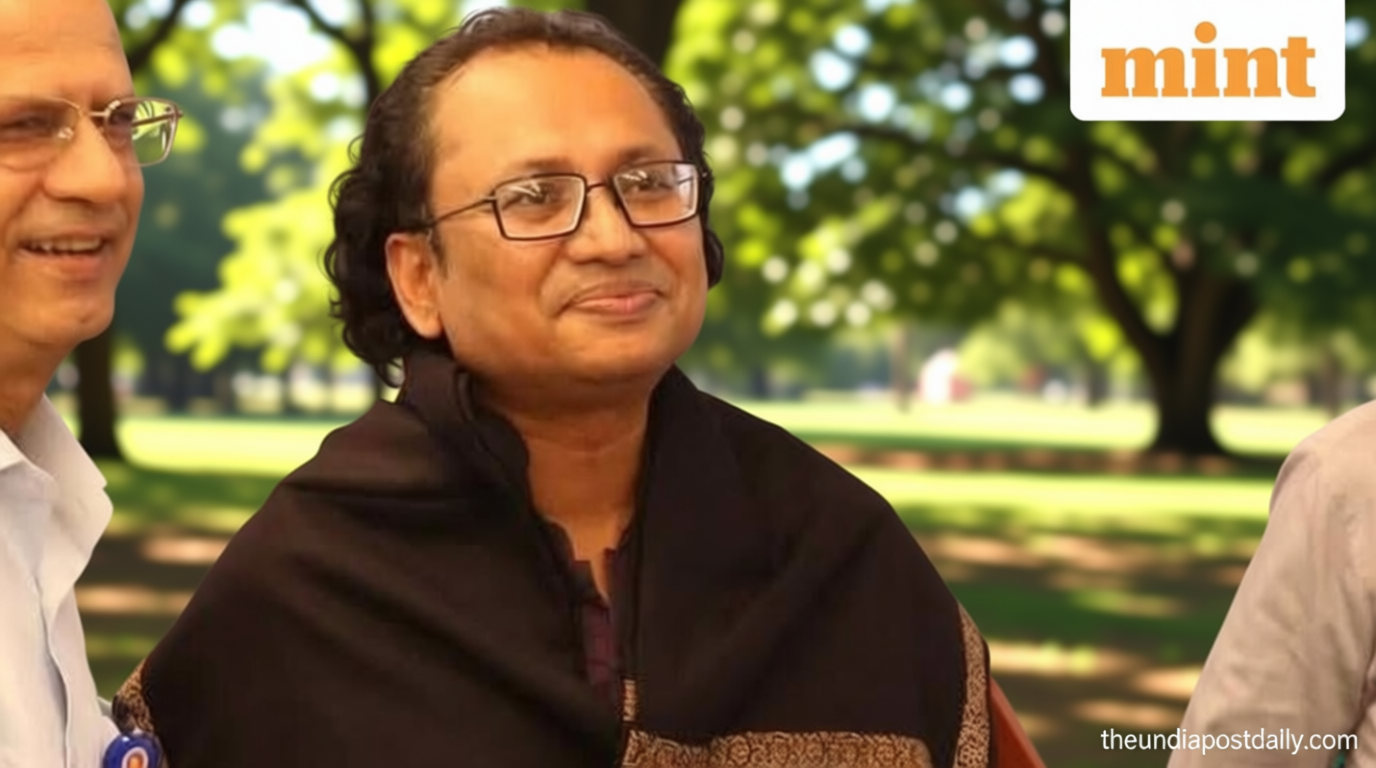
Dr. Zahed Ur Rahman, who traveled on a regular passport and held a SAARC visa, was held for approximately two and a half hours by immigration authorities. His name was flagged during the security screening, raising questions about the treatment of diplomats and the consistency of visa protocols. While Indian officials eventually allowed Rahman to proceed, the abrupt nature of the detention and his subsequent decision to return to Bangladesh have intensified scrutiny. This incident highlights potential diplomatic friction, as Rahman’s presence was critical for the Association’s discussions on regional cooperation.
“The incident is a significant lapse in the protocol followed for high-level officials,” remarked Bangladesh’s Foreign Minister, Dr. Khalilur Rahman. “We are determined to address this and ensure such occurrences do not undermine our bilateral relations.” The minister emphasized that the government is actively investigating the matter to clarify the reasons behind the delay and to strengthen future diplomatic procedures.
Visa issuance, according to a senior official, remains a sovereign decision, not an automatic entitlement. This perspective has led to debates about whether Rahman’s visa was treated as a special privilege or a routine document. The controversy has also prompted discussions on the broader implications of the incident for Bangladesh-India relations, particularly given the long-standing political dynamics between the two countries. Rahman’s abrupt departure has added a layer of complexity to the ongoing dialogue.
Background of the Advisor and Political Context
Dr. Zahed Ur Rahman, a prominent political commentator and former bureaucrat, has been a vocal critic of Bangladesh’s ruling administration. His work on YouTube, “Zahed’s Take,” has garnered attention for its sharp analysis of India’s policies, including the blockade of the Bangladesh-India border in 2024. This historical context has made his presence in India a symbolic gesture, with the SAARC visa serving as a testament to the regional collaboration between member states. The detention, therefore, was not just a procedural hiccup but a moment that highlighted the political undercurrents of the visit.
The incident has reignited discussions about the balance between security protocols and diplomatic courtesy. While the Indian authorities have defended their actions, citing standard procedures, Bangladesh has raised concerns about the impact on mutual trust. The dispute has also brought attention to the role of the Indian Ocean Rim Association in fostering regional ties, with Rahman’s presence intended to strengthen collaborative efforts. His return to Dhaka has left the Association’s meeting in a partial state, emphasizing the importance of such high-level engagement.
India’s Deputy High Commissioner, Pawan Badhe, has faced pressure to explain the situation. The Indian government’s response has been to reassure Bangladesh that the matter is under review and that the detention was a temporary measure. However, the episode has underscored the fragility of diplomatic relations, especially in light of recent geopolitical developments. Analysts suggest that the incident could serve as a catalyst for renewed negotiations or a reminder of existing grievances, depending on how the situation is resolved.
The episode has also drawn comparisons to past diplomatic incidents between the two countries. For instance, in 2022, a similar dispute arose when an Indian official was detained at a Bangladeshi airport over an alleged visa irregularity. The current incident, however, carries added weight due to the involvement of a senior advisor. This has raised questions about whether the detention was a deliberate act or a consequence of heightened security measures following recent border tensions.
As the situation unfolds, both nations are expected to issue further statements. Bangladesh has indicated its intent to seek clarification and possibly demand a formal apology, while India may focus on demonstrating the effectiveness of its security systems. The incident has become a focal point for public sentiment in both countries, with media coverage intensifying the narrative around the episode. This could influence the trajectory of Bangladesh-India relations in the coming weeks, particularly as both sides navigate the delicate balance between scrutiny and cooperation.