BA295 flight status LIVE updates: London-Chicago British Airways’ aircraft plunges 27,000-foot in 7 minutes; check pics
A British Airways service bound for Chicago returned to London Heathrow after the crew dealt with a cabin pressurisation issue during the flight. BA295
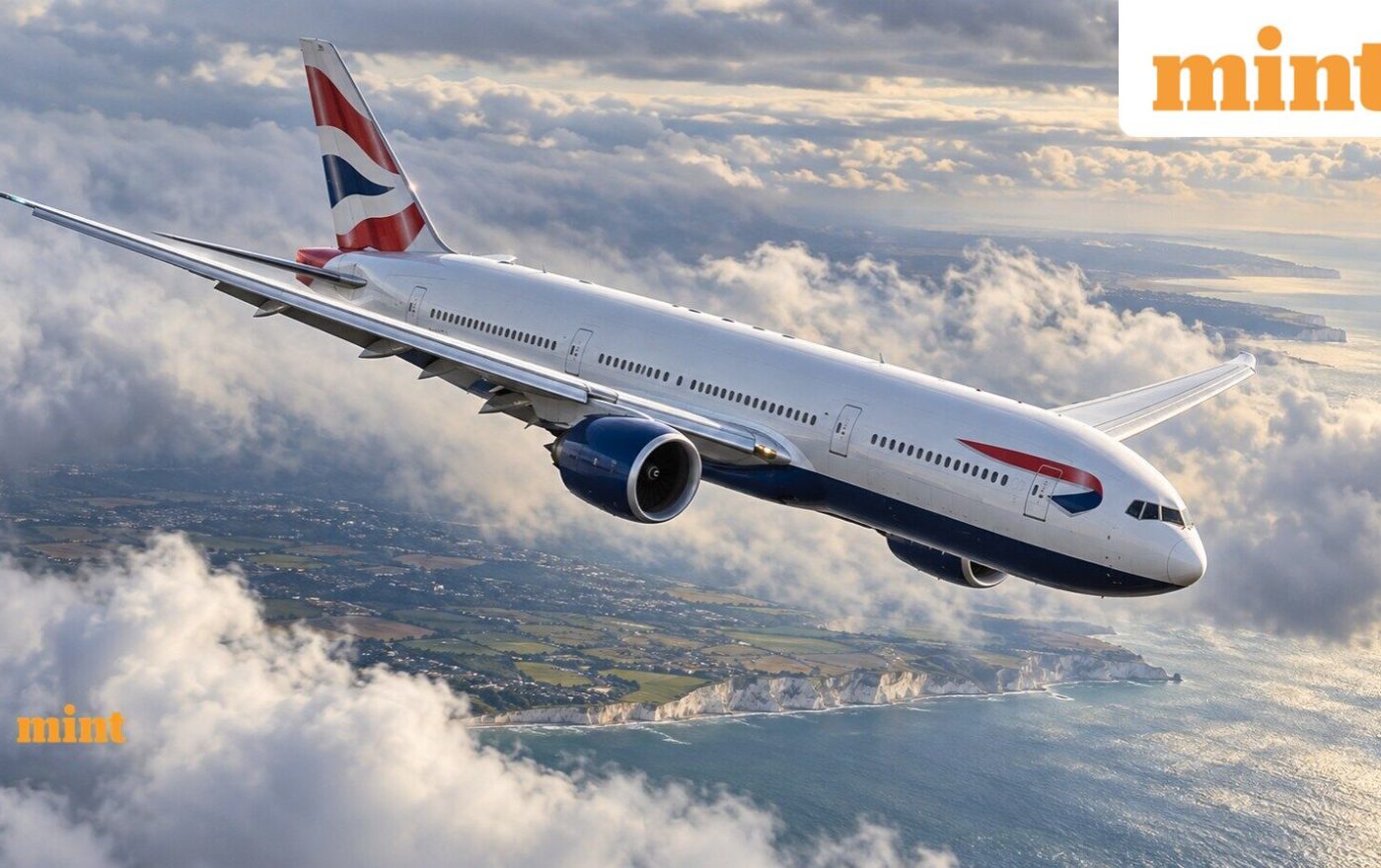
British Airways Flight Returns to Heathrow After Cabin Pressure Alert
Theindiapostdaily.com – A British Airways service bound for Chicago returned to London Heathrow after the crew dealt with a cabin pressurisation issue during the flight. BA295, operated by a Boeing 777-236ER registered G-VIIA, had departed Heathrow for the United States before turning back toward its origin airport.
The flight had been scheduled to leave London at 11:10 AM, but its departure was delayed until 12:14 PM. Its planned arrival time in Chicago was 1:50 PM. Flight-tracking information later showed an estimated arrival time of 11:02 AM, reflecting the change in the aircraft’s journey.
The aircraft subsequently arrived back at Heathrow. Updates from the live tracker stopped after the flight was grounded at the airport.
Rapid descent from cruising altitude
A crew message shared publicly described a pressure-related concern that prompted the return to London. The message indicated that cabin altitude had reached 10,500 feet. Cabin altitude is not the aircraft’s physical height above the ground; it is a measurement of the pressure conditions maintained inside the cabin.
BA295 had been flying at roughly 36,000 feet when it began a sharp descent. It came down to about 9,000 feet in seven minutes, a reduction of around 27,000 feet.
Such a descent is intended to bring an aircraft to an altitude where passengers and crew do not need supplemental oxygen to breathe normally. Air is much thinner at normal cruising levels, so a loss or reduction of cabin pressure requires an immediate move to a lower, safer operating altitude.
The aircraft technician who shared details of the event said the descent aligned with Boeing procedures used for a cabin pressurisation loss. The priority in that situation is to establish the aircraft at an altitude compatible with normal breathing while the crew manages the issue and plans the next stage of the flight.
Weight and fuel considerations during the return
The reported crew communication also referred to the aircraft’s landing weight. It suggested the Boeing 777 was about 30 tonnes above its maximum permitted landing weight, creating an additional operational consideration as the flight headed back to Heathrow.
Large long-haul aircraft can depart carrying substantial fuel loads for intercontinental routes. A return shortly after take-off can therefore leave an aircraft heavier than the limit normally used for landing. Reducing fuel by flying holding patterns is one way to lower weight before arrival.
Tracking data showed BA295 flying several loops near southwestern Britain. Those turns were consistent with time being used to manage fuel before the landing. The original crew message said fuel could not be released, making fuel burn an important factor in the return process.
“Heading back to Heathrow, too heavy for a normal landing, they’re currently dumping fuel over the Bristol Channel and will continue onto London once below max landing weight,” an ex-commercial and military Irish pilot wrote on X.
“This is ALL regular practice in the simulation by the pilots and will be carried out entirely according to procedure. More than likely, that’ll be a BA paid night stop at the airport, for attempt number two tomorrow!” he added.
The post referred to fuel dumping, while the earlier crew message said there was no way to release fuel. Flight-tracker information showed holding patterns near southwestern Britain before the aircraft returned to Heathrow.
How the Boeing 777 regulates cabin pressure
The Boeing 777 uses its air-conditioning system and controlled outlet valves to maintain a suitable environment inside the aircraft. Air is supplied to the cabin, while valves regulate the amount that leaves, allowing the system to manage pressure as the aircraft climbs, cruises and descends.
Two main exit valves are located near the front and rear of the aircraft. In automatic mode, they adjust throughout the flight to help keep cabin pressure within the required range. This process is designed to limit cabin altitude to 8,000 feet under normal conditions while also controlling the speed at which pressure changes.
Pilots can select manual operation when necessary and can control either outlet valve. Separate safety valves are fitted to protect against an excessive difference between internal cabin pressure and the outside atmosphere. Other vents provide protection if pressure inside the aircraft becomes too low relative to the air outside.
Airflow arrangement varies with cargo cooling
The distribution of air through the Boeing 777’s cabin-pressure system can vary depending on whether forward cargo air conditioning is in operation. When that cargo cooling function is switched off, roughly one-fifth of the airflow exits through the forward valve and about four-fifths through the rear valve.
When forward cargo air conditioning is operating, airflow is shared more evenly between the two exit valves. These systems are designed to work together across different phases of flight and changing operating conditions.
For passengers, a rapid descent after a pressure concern can be alarming, but it is a recognised response intended to address the immediate effects of high-altitude air. In BA295’s case, the crew’s decision to return to Heathrow followed the pressure issue and the subsequent descent from cruise altitude.
The flight’s arrival back in London ended its Chicago journey for the day, with the aircraft grounded after landing at Heathrow.
Related Reading
Frequently Asked Questions
What is BA295 flight status LIVE updates?
BA295 flight status LIVE updates is the main topic of this guide. The article explains the context, practical details, and next steps readers should understand.
Why does BA295 flight status LIVE updates matter?
BA295 flight status LIVE updates matters because readers are looking for a useful answer, not just a short summary. Good content should match search intent and help them decide what to do next.