‘Awkward family gathering’: Trump ‘risks’ attending G7 meeting amid Iran deal talks
Awkward Family Gathering: Trump's G7 Attendance Amid Iran Deal Talks Sparks Scrutiny Setting the Stage for a Tense G7 Summit Awkward family gathering - The
Awkward Family Gathering: Trump’s G7 Attendance Amid Iran Deal Talks Sparks Scrutiny
Setting the Stage for a Tense G7 Summit
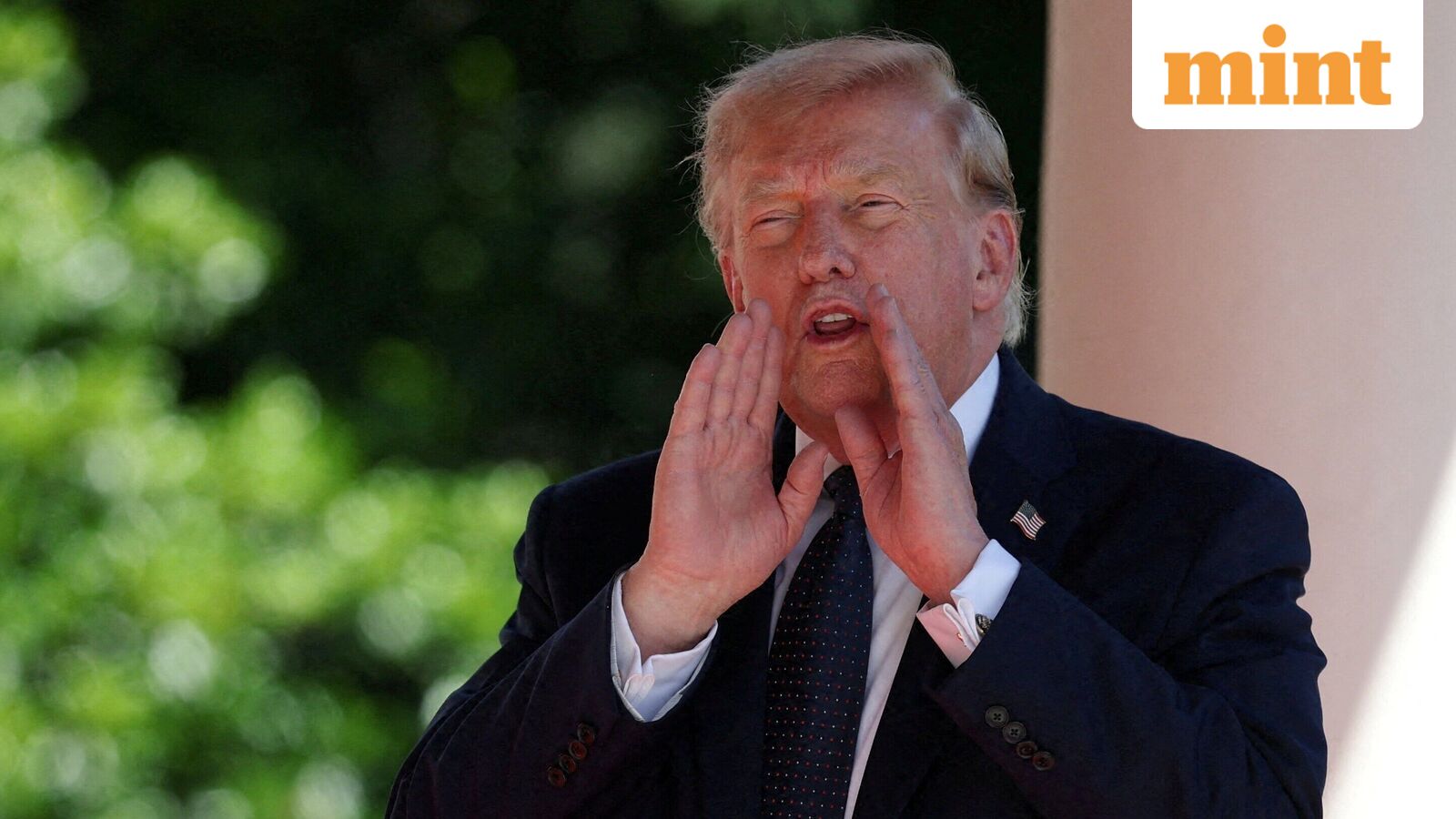
Theindiapostdaily.com – The Group of Seven (G7) summit, held in Évian-les-Bains, France, has been dubbed an “awkward family gathering” by analysts, reflecting the diplomatic tensions that have emerged as President Donald Trump prepares to attend the meeting. This year’s summit brings together the world’s seven largest advanced economies—France, the United States, Canada, Germany, Italy, Japan, and the United Kingdom—alongside guest nations such as Brazil, Egypt, India, Kenya, South Korea, Qatar, Syria, Ukraine, and the United Arab Emirates. The event, traditionally a platform for global cooperation, now risks becoming a battleground for differing priorities, with Trump’s recent Iran deal talks casting a long shadow over the proceedings.
Trump’s decision to re-enter negotiations on the Iran conflict has drawn sharp reactions from G7 members, particularly those who had previously aligned with his hardline stance. The analogy of an “awkward family gathering” aptly captures the precarious dynamics at play, where leaders must balance personal rapport with political discord. This metaphor, often used to describe G7 meetings, underscores the delicate nature of the discussions, where disagreements can escalate quickly and alliances may strain under the weight of competing interests.
Diplomatic Strain and Unilateral Moves
“The G7 is like an awkward family gathering—everyone wants to get along, but tensions simmer just beneath the surface,” remarked Max Bergmann, Europe program director at the Center for Strategic and International Studies. This sentiment echoes the broader sentiment that Trump’s presence at the summit may amplify existing rifts, particularly regarding his handling of international agreements. His unilateral approach to the Iran conflict, which involves a potential agreement to ease economic sanctions, has already sparked debates about whether he adequately consulted his allies before making such a significant decision.
As Trump arrives in France, the atmosphere is charged with anticipation. His arrival marks a pivotal moment for the G7, which has been grappling with internal divisions over Iran policy. French President Emmanuel Macron, British Prime Minister Keir Starmer, German Chancellor Friedrich Merz, and Italian Prime Minister Giorgia Meloni are among those expected to voice concerns about Trump’s strategy, which they argue has not been fully vetted. The summit’s proceedings will be closely watched for signs of unity or further discord, with the “awkward family gathering” label serving as a reminder of the challenges ahead.
Iran Deal Talks and Global Impact
The Iran conflict remains a central issue at the summit, with leaders debating the implications of Trump’s proposed agreement. The deal, which aims to resolve tensions between the U.S. and Iran, has been met with mixed reactions. Some G7 members support the effort to stabilize the region, while others fear it may weaken sanctions that have pressured Iran into nuclear concessions. The economic fallout of the prolonged closure of the Strait of Hormuz has also brought the topic of energy security to the forefront, with leaders eager to address rising oil prices and supply chain disruptions.
Analysts warn that the summit could become a litmus test for Trump’s ability to maintain alliances. His threat to reduce U.S. military presence in NATO countries that have not fully endorsed his Iran strategy adds another layer of complexity. This move, seen as a symbolic gesture, highlights his frustration with allies who have not rallied behind his approach. The “awkward family gathering” label, therefore, not only reflects interpersonal dynamics but also the broader geopolitical stakes at play.
“Trump’s actions at the G7 are a reminder of the ‘awkward family gathering’ dynamic—he’s pushing his agenda, but the other leaders are holding their ground,” said a political strategist familiar with the negotiations. The phrase has gained traction in media coverage, emphasizing the friction between Trump’s isolationist tendencies and the G7’s collective goal of global stability. As the summit progresses, the challenge will be to transform this tense environment into a space for compromise, even as the economic and strategic implications of the Iran deal continue to unfold.
Historical Context and Strategic Shifts
Trump’s approach to the Iran conflict is not without precedent, though it differs sharply from his predecessors. During his first term, he withdrew from the 2015 Iran nuclear deal, a move that was criticized for destabilizing regional alliances. This time, however, he is seeking to re-engage, suggesting a potential shift in strategy. The G7 leaders, including France and the U.K., have been vocal in their opposition to Trump’s unilateral moves, with some accusing him of undermining multilateral efforts to address the crisis.
Despite the challenges, the summit offers an opportunity for Trump to reaffirm his leadership. His ability to navigate the “awkward family gathering” will be crucial in shaping the G7’s response to the Iran deal. If successful, this could signal a new era of cooperation, but if not, it may further strain relations within the group. The outcome of these discussions is expected to have far-reaching consequences, influencing not only U.S.-Iran relations but also the broader geopolitical landscape.
Broader Implications and Media Narratives
As the G7 meeting unfolds, the media will play a key role in framing the narrative. The “awkward family gathering” analogy has been widely adopted, reflecting the public’s perception of the summit’s dynamics. This framing helps to humanize the geopolitical tensions, making them more relatable to a global audience. However, it also risks oversimplifying complex issues, such as the economic and security implications of the Iran deal.
Analysts suggest that the term “awkward family gathering” is not just a metaphor but a reflection of the G7’s evolving role in international diplomacy. With rising global challenges, the group must navigate internal disagreements to present a unified front. Trump’s attendance, therefore, is both a test of his ability to work with allies and a symbol of the group’s commitment to collaboration, even amid personal and political tensions.
Conclusion: Navigating the Tensions
The G7 summit, with its “awkward family gathering” label, is a microcosm of the global diplomatic landscape. As leaders gather to address Iran’s nuclear program and its economic fallout, the pressure to find common ground is immense. Trump’s presence adds a layer of unpredictability, as his willingness to act unilaterally could either resolve or escalate the crisis. The outcome of these discussions will be a critical indicator of whether the G7 can overcome its internal divisions and emerge as a cohesive force in international relations.