Alcohol, GHB and Xanax behind Saudi Prince’s death in London hotel; reveals inquest
A London coroner's court has officially concluded that a Saudi prince who was discovered deceased in a prestigious hotel room in the United Kingdom last year
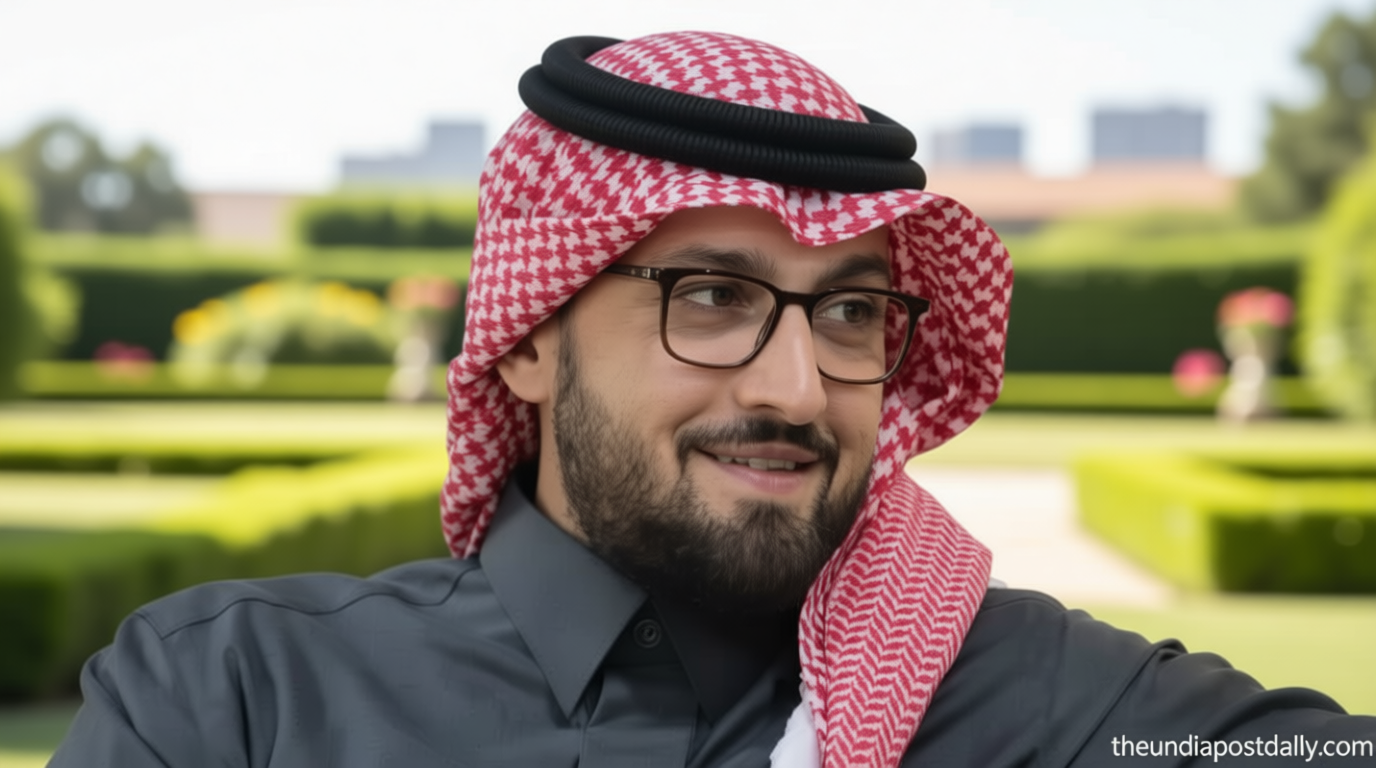
Alcohol GHB and Xanax Behind Saudi Prince’s Tragic Death in London
Theindiapostdaily.com – A London coroner’s court has officially concluded that a Saudi prince who was discovered deceased in a prestigious hotel room in the United Kingdom last year passed away following a cardiac arrest. This fatal incident was directly linked to a dangerous combination of alcohol and prescription drugs found in his system. The comprehensive inquest proceedings revealed the full extent of the substances involved, confirming that Alcohol GHB and Xanax behind the prince’s untimely demise were the primary contributing factors to his death.
According to detailed reports from The Telegraph UK, the inquest held at the Inner West London Coroner’s Court provided crucial insights into the circumstances surrounding Prince Abdullah bin Fahad bin Abdullah bin Abdulaziz bin Jalawi al Saud. This distinguished member of Saudi Arabia’s ruling family had multiple substances present in his bloodstream at the time of his passing. The toxicology results confirmed the presence of alcohol, gamma-hydroxybutyrate (GHB), cannabis, and the anti-anxiety medication Xanax, all of which played a role in the tragic outcome.
Discovery and Hotel Details
The 29-year-old prince was found deceased in the bathroom of his accommodation at the Marriott Hotel in Kensington, West London, on November 25 of last year. He had been residing in a luxurious room that reportedly cost approximately 600 euros per night, reflecting his high status and the premium location of his stay. The prince had originally checked into the Marriott Hotel on November 19, planning what was intended to be a comfortable week-long visit to the British capital.
CCTV footage captured during his stay showed the prince leaving the hotel to smoke on the evening before his death, providing valuable timeline evidence for investigators. A hotel cleaner was the first to discover Prince Abdullah lying fully clothed on the bathroom floor of his locked fifth-floor room. Emergency medical responders immediately attempted to revive him but were ultimately unsuccessful in their efforts to save his life.
Medical History and Treatment Journey
The inquest proceedings revealed that Prince Abdullah had been actively struggling with alcohol and Xanax use in the months leading up to his death. According to The Telegraph UK, he was admitted to the prestigious Priory Clinic in Roehampton, London, approximately three months prior to his passing. During this intensive treatment period, he underwent comprehensive detoxification from alcohol, benzodiazepines, and the anti-anxiety drug pregabalin. A stay at this renowned clinic can reportedly cost up to 35,000 euros per week, demonstrating the extensive care he received.
After completing his treatment at the Priory Clinic, Prince Abdullah sought additional rehabilitation support at Rainford Hall, a private rehabilitation clinic located in Merseyside. This facility reportedly charges around 7,000 euros per week for its comprehensive treatment programs. During his stay at Rainford Hall, he was also diagnosed with an upper respiratory tract infection before being discharged on October 14, indicating that his health concerns extended beyond substance use.
Toxicology Findings and Official Conclusion
Comprehensive toxicology tests presented during the inquest hearing provided definitive evidence regarding the substances in the prince’s system. His blood ethanol concentration measured an impressive 222 mg of alcohol per 100 ml of blood—nearly three times the UK’s legal drink-drive limit of 80 mg per 100 ml. This elevated alcohol level significantly contributed to the fatal outcome.
The analysis also detected potentially fatal levels of GHB, commonly referred to as a “party drug,” along with traces of cannabis, alprazolam (Xanax), and other anti-anxiety medications. A thorough postmortem examination concluded that the prince suffered a cardiac arrest that was directly triggered by the combined effects of alcohol and drugs. The inquest also heard compelling testimony that Prince Abdullah was not considered to be at risk of suicide, ruling out this possibility.
A thorough police investigation found no evidence of third-party involvement in the prince’s death. Additionally, CCTV footage clearly showed that he had been alone on the night before his death, further supporting the conclusion that Alcohol GHB and Xanax behind the tragic incident were the sole contributing factors. The official findings have brought closure to the investigation while highlighting the dangers of combining multiple substances.