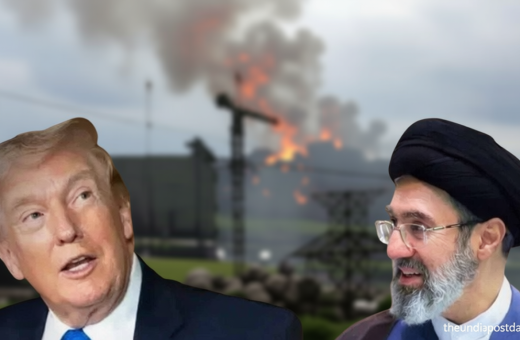
‘Without me, there would be no Israel,’ claims Trump as he seeks to finalise a peace deal with Iran
Trump Asserts 'Without Me, There Would Be No Israel' During Iran Peace Talks Theindiapostdaily.com – President Donald Trump has repeatedly asserted that "without me, there would be no Israel," positioning…
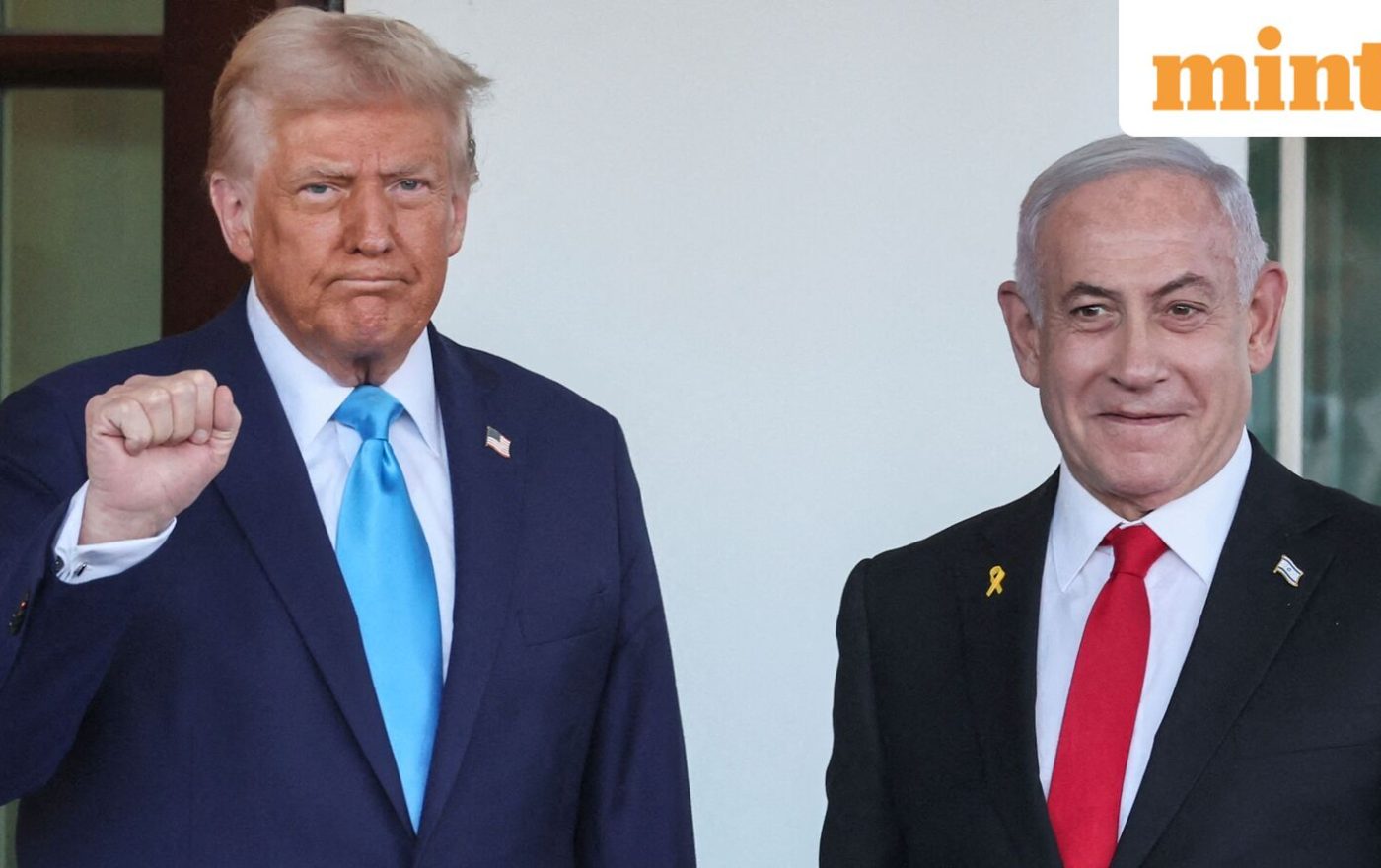
Trump Asserts ‘Without Me, There Would Be No Israel’ During Iran Peace Talks
Theindiapostdaily.com – President Donald Trump has repeatedly asserted that “without me, there would be no Israel,” positioning himself as the linchpin of the nation’s survival amid ongoing negotiations with Iran. This bold claim comes as the U.S. and Iran edge closer to finalizing a historic peace agreement, a development that has placed Trump at odds with Israeli Prime Minister Benjamin Netanyahu. The conflict, which has raged for decades, is now being redefined by Trump’s insistence that his leadership was instrumental in securing Israel’s existence. His remarks underscore the deepening divide between the U.S. and Israel over military strategies and diplomatic priorities.
“Without me, there would be no Israel,” Trump declared, emphasizing his role in the country’s founding. He criticized Netanyahu’s recent actions in Lebanon, calling them “crazy” and warning that they could jeopardize the fragile peace deal. The leader of the Republican Party argued that his policies have been a cornerstone for Israel’s security, contrasting his approach with what he described as Netanyahu’s short-sighted decisions that threaten the broader regional stability.”
Strained U.S.-Israel Relations Amid Negotiations
As the U.S. and Iran negotiate, Trump’s public clashes with Netanyahu have intensified, reflecting a broader ideological rift. The president has accused the Israeli leader of undermining the peace process by escalating military operations in Lebanon, a move he claims risks provoking Iranian retaliation. Israeli airstrikes, which have targeted Hezbollah positions in Beirut, have been a point of contention, with Trump insisting that such actions could derail the agreement. Netanyahu, however, has maintained that the strikes are necessary to protect Israeli interests and that the peace deal is a secondary priority.
Analysts note that Trump’s criticism of Netanyahu is not new, but it has gained sharper focus as the Iran negotiations approach a critical phase. The president’s relationship with Israel has been defined by his commitment to a strong stance against Iran, while Netanyahu has often aligned with more traditional U.S. allies in the region. This dynamic has led to debates over the effectiveness of Trump’s approach and whether his leadership is essential to maintaining Israel’s security in a rapidly changing geopolitical landscape.
Israel’s Military Actions and the Casualty Toll
Trump’s latest accusations target Israel’s military operations in Lebanon, which he claims have resulted in unnecessary civilian casualties. During the G7 summit in France, he highlighted the scale of destruction caused by Israeli airstrikes, arguing that the country’s tactics are excessive and counterproductive. “Too many people have been killed,” he said, “and you don’t need to destroy entire apartment buildings every time.” His critique aligns with concerns raised by international observers about the humanitarian impact of the ongoing conflict.
Israel has defended its actions, asserting that it avoids targeting non-combatants and that groups like Hamas and Hezbollah frequently use civilians as human shields. The nation’s military has maintained that its strikes are targeted and necessary to weaken Iranian-backed forces. However, the 73,000 civilian deaths in Gaza—reported by independent organizations—have intensified scrutiny of Israel’s broader military strategy. Trump’s emphasis on the need for a peace deal with Iran suggests that he believes Israeli actions must align with the goal of regional stability, even if it means challenging Netanyahu’s leadership.
Despite the friction, Trump has not ruled out working with Netanyahu to achieve the peace deal. In a recent statement, he acknowledged their “strong partnership” but admitted that their disagreements have “yelled” during critical moments. The president has also hinted that he might use his executive authority to pressure Israel into adopting more conciliatory tactics, a strategy that could either strengthen or strain the U.S.-Israel alliance. Analysts suggest that Trump’s comments are a calculated attempt to assert his influence over the negotiations and ensure that the deal reflects his vision for Middle East diplomacy.
Meanwhile, Netanyahu has reiterated his commitment to the peace deal, though he has emphasized the need for Israel to retain its security guarantees. In interviews, he stated that the agreement would benefit both nations but warned that Iran’s support for Hezbollah poses a continued threat. The Israeli leader has also accused Trump of being overly optimistic about the deal’s success, citing the complexity of the conflict and the deep-seated mistrust between the parties. As the talks progress, the question remains: will Trump’s assertive rhetoric help finalize the deal, or will it further complicate the already fragile negotiations?
The ongoing debate highlights the delicate balance between maintaining Israel’s security and pursuing a broader peace initiative. Trump’s focus on the phrase “without me there would be no Israel” serves to reinforce his belief that his leadership was crucial in establishing the state. However, critics argue that this claim overlooks the contributions of other U.S. administrations and Israeli leaders who have also played pivotal roles in the nation’s history. The peace deal with Iran, while a significant step, could either solidify Trump’s legacy or mark the beginning of a new era of U.S.-Israel tensions, depending on how the negotiations unfold.