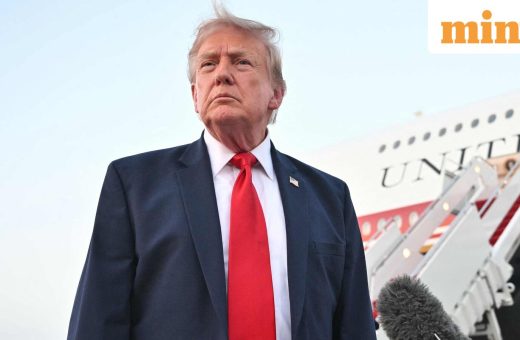
Will US-Iran peace deal hold? Washington, Tehran trade fresh strikes after attack on ship in Hormuz | Top updates
The U.S.-Iran peace deal, inked in a 14-point Memorandum of Understanding (MoU) following
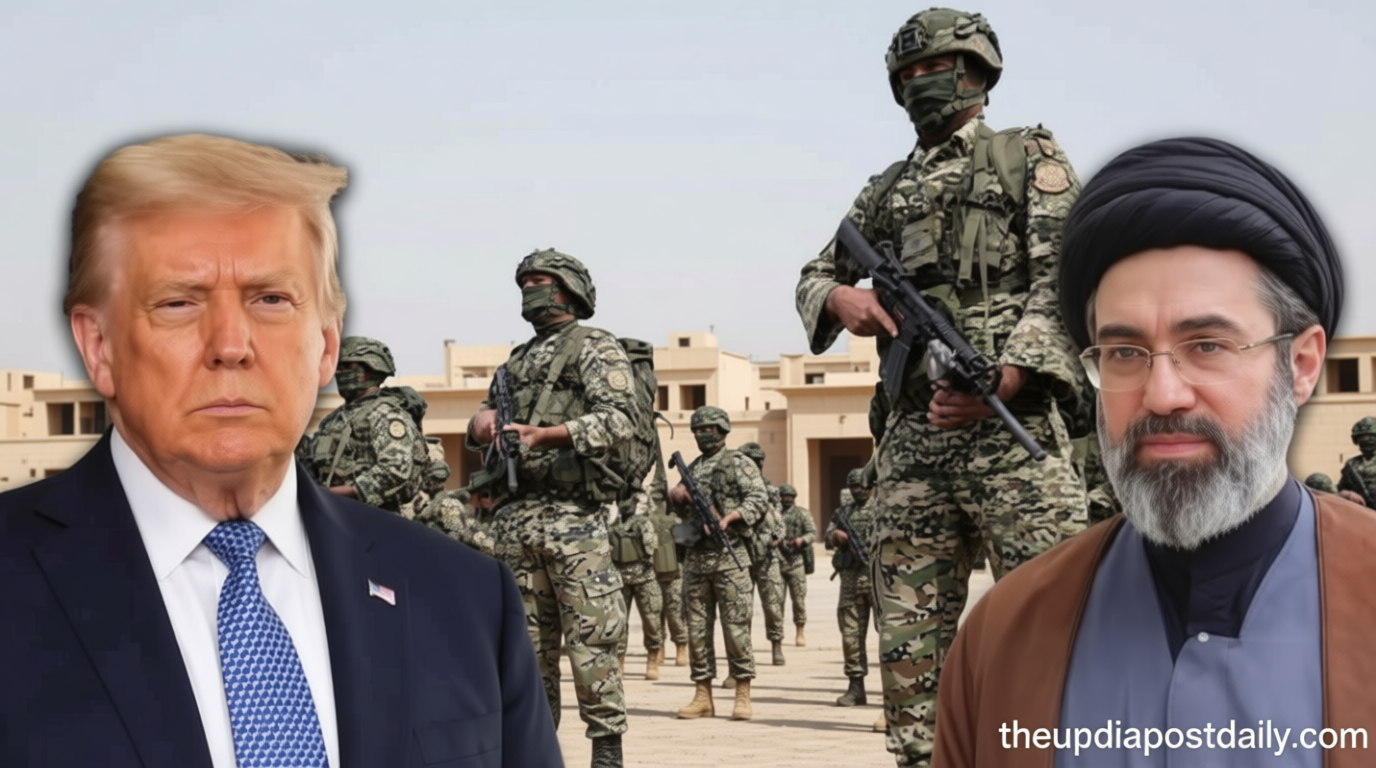
Will US-Iran Peace Deal Hold? Tensions Rise After Hormuz Attack Sparks New Strikes
Theindiapostdaily.com – The U.S.-Iran peace deal, inked in a 14-point Memorandum of Understanding (MoU) following months of conflict, now faces renewed scrutiny. Just days after the agreement was signed, the Islamic Revolutionary Guard Corps (IRGC) launched attacks on U.S. military assets, framing the action as a necessary response to a recent U.S. strike. This escalation raises questions about the durability of the ceasefire, especially as both nations prepare to test its resilience through military actions.
The conflict began with a drone attack on a cargo ship near the Strait of Hormuz on Thursday, prompting swift retaliation from the U.S. military. On Friday, U.S. forces targeted Iranian missile and drone storage sites, as well as coastal radar installations, marking the first major test of the interim accord. The strike was justified as a countermeasure against Iran’s alleged aggression, though the attack on the commercial vessel has reignited concerns about the stability of the agreement.
Washington and Tehran: A Clash of Perspectives
U.S. Central Command asserted that the strikes were a direct response to “unjustified aggression” targeting commercial shipping, emphasizing the violation of the ceasefire. The operation was described as a “robust countermeasure” to Iran’s actions, underscoring the administration’s commitment to protecting maritime interests. Meanwhile, Iranian officials argued that the attack on the ship was a strategic move, not a breach of the deal.
“You’ll find out,” former President Donald Trump remarked during a press briefing. “I don’t like the fact that they took a shot yesterday, actually four of them.” Trump’s comments, while reflective of his previous stance, highlighted the ongoing tension between the U.S. and Iran despite their agreement. Vice President JD Vance later reiterated the need for dialogue, urging Iran to “pick up the phone” to resolve disputes, but warned that “violence will be met with violence.”
Strategic Leverage and Ceasefire Dynamics
The attack on the ship in the Strait of Hormuz, a critical waterway for global oil transport, has drawn international attention. Iran’s response, led by Ebrahim Azizi, head of the parliamentary national security commission, emphasized control over the region. “The Strait of Hormuz is under our control,” Azizi stated, asserting that the U.S. should “respect the rules” and not confuse military presence with escalation.
“Our response will shake the earth to its core,” declared Iranian military spokesperson Ibrahim al-Fiqar. “This aggression will not go unanswered… any further act of folly will be met with a harsh response that will shatter the aggressors’ illusions in the region.” Al-Fiqar’s remarks suggest Iran is prepared to escalate, signaling that the peace deal may not be a definitive resolution but a temporary pause in hostilities.
While the MoU aimed to restore stability, it left unresolved tensions over Iran’s strategic leverage. The agreement required Iran to reopen the Strait of Hormuz, a move that could enhance its influence over global energy flows. However, disagreements over tolls for ships and the terms of the ceasefire have persisted, complicating efforts to achieve a lasting truce. The recent strikes indicate that these disputes may not be easily settled, even with diplomatic talks ongoing.
As the situation unfolds, the U.S. and Iran continue to navigate a delicate balance between diplomacy and military action. The attack on the ship and subsequent retaliation highlight the fragility of the peace deal, with both sides using the incident to assert their positions. Analysts suggest that the interim agreement may serve as a stepping stone toward a permanent resolution, but its success will depend on mutual trust and adherence to the terms.
With the Strait of Hormuz at the center of the conflict, the region’s security remains a focal point for global markets. The attack on the cargo ship and the U.S. response have raised concerns about the impact on oil prices and supply chains. As the two nations trade blows, the question lingers: will the U.S.-Iran peace deal hold, or will it become another casualty of the ongoing standoff?