Who is Marius Borg Høiby? Son of Norway’s Crown Princess sentenced to 4 years in rape case
Marius Borg Høiby: Crown Princess's Son Sentenced in High-Profile Rape Case Theindiapostdaily.com – Who is Marius Borg Høiby? The Norwegian royal family's eldest son, Marius Borg Høiby, has been sentenced…
Marius Borg Høiby: Crown Princess’s Son Sentenced in High-Profile Rape Case
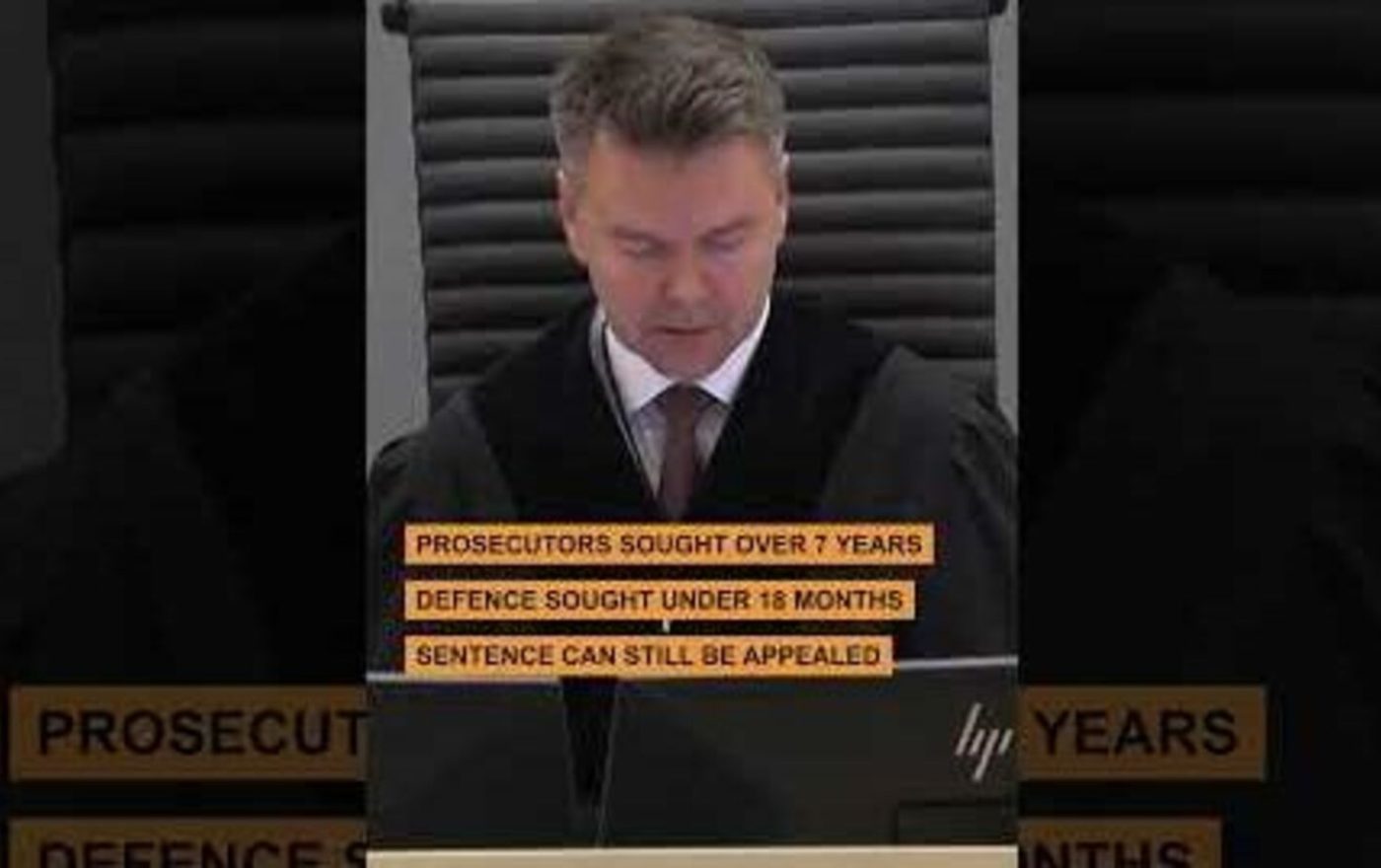
Theindiapostdaily.com – Who is Marius Borg Høiby? The Norwegian royal family’s eldest son, Marius Borg Høiby, has been sentenced to four years in prison following a conviction on two rape charges. The verdict, delivered by a court in Oslo, underscores the public’s scrutiny of high-profile individuals, even those with royal connections. Høiby, 29, was found guilty of sexual assault and relationship abuse, while being acquitted on two other counts. His sentence highlights the legal complexities surrounding his case, which has drawn significant media attention due to his familial ties to the monarchy.
Early Life and Royal Affiliation
Marius Borg Høiby was born in 2001 before his mother, Crown Princess Mette-Marit, married Prince Haakon in 2001. As a result of this union, he became part of the royal family’s inner circle, though he does not hold an official title or position within the monarchy. His upbringing in the spotlight has often contrasted with his personal life, which has seen him navigate both public expectations and private challenges. The court’s decision marks a pivotal moment in his life, separating him from his royal roots as he faces the consequences of his actions.
Allegations and Legal Proceedings
During the six-week trial, Høiby was charged with 40 offenses, including four counts of rape and multiple incidents of sexual assault and relationship abuse. Prosecutors alleged that the assaults occurred between 2018 and 2024, often when victims were asleep or unable to resist. Evidence from his mobile phone, including messages, photos, and videos, played a central role in the case. The court ultimately convicted Høiby on two rape charges, while the other counts were dismissed, reflecting a nuanced evaluation of the evidence presented.
“Marius Borg Høiby is not a member of the Royal House of Norway and is therefore autonomous,” stated Crown Prince Haakon, who chose not to attend the trial. “He is a citizen of Norway and, as such, has the same responsibilities as everyone else — as well as the same rights.” This statement emphasized the separation between the royal family and their offspring, while also acknowledging the public’s interest in Høiby’s legal fate.
Impact on Public Perception
The case has sparked a broader conversation about accountability for public figures and their family members. Many questioned whether Høiby’s royal status influenced the trial, while others highlighted the importance of justice regardless of social standing. His sentence of four years has been viewed as a balance between the severity of the crimes and the recognition of his personal autonomy. Legal experts note that the conviction aligns with established precedents, though the high-profile nature of the case has amplified its emotional and social implications.
“The trial has shown that even someone with royal connections cannot escape the consequences of their actions,” remarked a legal analyst. “It’s a reminder that the law applies equally to all, including those who are part of the monarchy.” This sentiment resonates with many as the case continues to dominate headlines and public discourse.
Broader Implications for the Royal Family
The sentencing of Marius Borg Høiby has not only affected his personal life but also cast a shadow over the Norwegian royal family’s reputation. Crown Princess Mette-Marit, who was once a prominent figure in public life, has faced questions about her role in her son’s case. However, the family has maintained that Høiby’s actions are his own, and they have expressed support for the legal process. This case has also prompted discussions about the media’s role in shaping public opinion and the pressures faced by individuals in the royal family to uphold certain standards.
Public reaction has been mixed, with some praising the court’s decision as a step toward justice and others criticizing the lack of more severe punishment. The trial’s duration, the nature of the evidence, and the verdict’s outcome have all contributed to the ongoing debate about how society views sexual violence and the rights of individuals, even when they are connected to the monarchy. As Høiby begins his sentence, the case remains a significant moment in Norway’s legal and social history.