US weather: More than 1,000 flights delayed, cancelled at Chicago airports so far — check today’s status
Severe weather conditions have caused widespread disruptions across major US
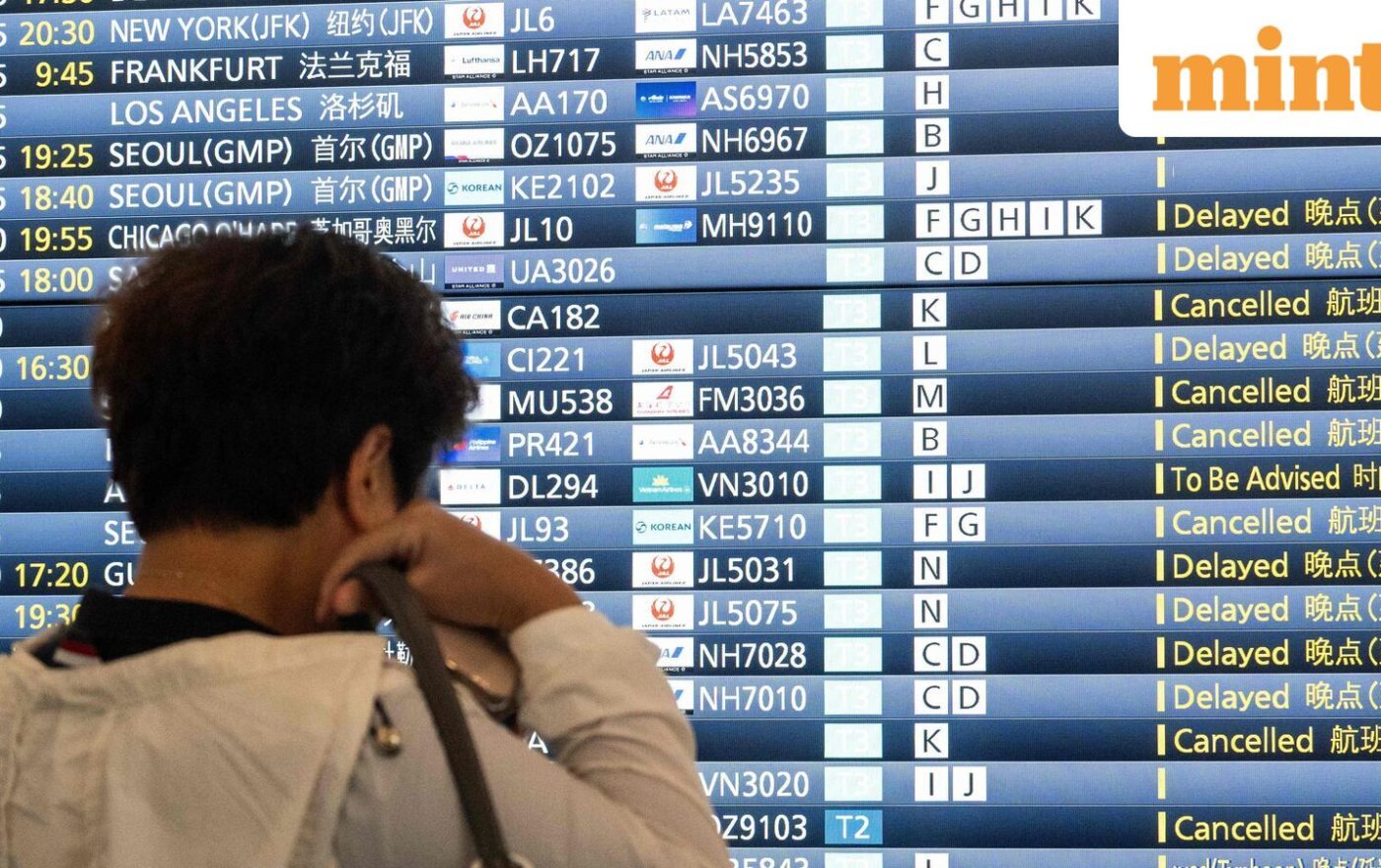
US Weather Disrupts 1,000+ Flights at Chicago, New York Airports
US weather – Severe weather conditions have caused widespread disruptions across major US airports, with over 1,000 flights delayed or cancelled at Chicago’s O’Hare International Airport and Midway International Airport. The chaos unfolded as powerful storm systems unleashed high winds, hail, and torrential rain, creating a ripple effect on air travel. In New York, similar delays were reported at John F. Kennedy International Airport due to storm-related congestion. This has led to a significant impact on daily commutes and business travel, highlighting the challenges posed by unpredictable US weather patterns.
Storm Systems and Regional Impact
A well-defined frontal system swept through the Midwest on Wednesday, bringing intense weather that disrupted travel across multiple states. The National Weather Service issued tornado warnings for northern Missouri, Iowa, Kansas, and Illinois, with several sightings confirmed in the late afternoon. These storms were not limited to the Midwest, as heavy rain and thunderstorms also affected the Northeast and Mid-Atlantic regions, causing cascading delays at major hubs. The US weather event underscores the growing frequency of extreme weather conditions, which are increasingly impacting transportation networks.
“The current US weather system is a textbook example of how rapidly conditions can shift,” said Frank Pereira, a meteorologist with the National Weather Service. “With strong winds gusting up to 60 mph and hail measuring nearly two inches in diameter, visibility was reduced to near zero, forcing airlines to implement precautionary measures.”
Flight Delays and Cancellations
The disruption at Chicago airports began in the late afternoon, with flight delays reaching several hours due to low visibility and wind shear. Air traffic controllers implemented ground stops at both O’Hare and Midway, halting departures and arrivals to ensure safety. In New York, the same measures were taken at JFK, as the US weather caused significant turbulence and runway closures. Airlines such as American, United, and Delta reported over 1,000 flight cancellations by Wednesday evening, with thousands of passengers stranded overnight. The situation is expected to ease by Thursday morning, though travel chaos is likely to persist in the early hours.
While the initial wave of disruptions has subsided, the US weather continues to affect regional connectivity. Flights between Chicago and other Midwestern cities faced prolonged delays, while cross-country routes were also impacted. According to FlightAware, the number of delayed flights climbed to over 2,000 by Wednesday night, with some routes experiencing more than 90% cancellations. This has raised concerns about the resilience of air travel systems in the face of extreme weather events, which are becoming more common due to climate change.
Infrastructure Damage and Recovery
Across the Midwest, the US weather caused extensive infrastructure damage, with power outages affecting over 390,000 customers. In Illinois, nearly 226,000 households and businesses were left without electricity, while Michigan reported 85,000 outages. Fallen trees, downed power lines, and collapsed roofs in apartment buildings prompted emergency crews to respond quickly. In Wisconsin, rural communities faced challenges as barns and homes were destroyed by the force of the storms. The extent of damage highlights the dual impact of US weather on both transportation and daily life.
“We’re seeing a combination of lightning strikes and downed poles that have caused these outages,” said Commonwealth Edison spokesperson, adding that crews were working around the clock to restore power. “While the US weather has eased in some areas, we anticipate further challenges as the storm system moves east and affects the Northeast.”
Broader Implications of the Weather Event
As the US weather event continues, its ripple effects extend beyond airports and power grids. The storm disrupted logistics, with freight companies delaying shipments and commuters scrambling to adjust travel plans. In Chicago, the impact on the sports industry was notable, as Rate Field became a scene of soaked fans and delayed game events. The White Sox’s Wednesday night matchup against the Atlanta Braves had to be rescheduled due to rain, affecting both fans and athletes. Such disruptions are becoming more frequent, prompting airlines and municipalities to invest in weather forecasting and emergency response strategies.
The US weather pattern has also sparked discussions about the need for improved infrastructure resilience. With climate models predicting more frequent and intense storms, airports and power companies are under pressure to upgrade systems. For instance, Chicago’s airports are now testing real-time weather monitoring tools to predict delays more accurately. Meanwhile, the Midwest continues to recover from the storm, with local authorities reporting that most power outages have been resolved by Thursday morning. However, the scale of the US weather event serves as a reminder of the vulnerabilities in transportation networks during extreme weather conditions.