US warned Iran of Israel’s plan to kill its top negotiators, Araghchi and Ghalibaf, as Washington sought a deal
The United States issued urgent warnings to Iran about Israel's
US Warns Iran of Israel’s Plan to Eliminate Key Negotiators
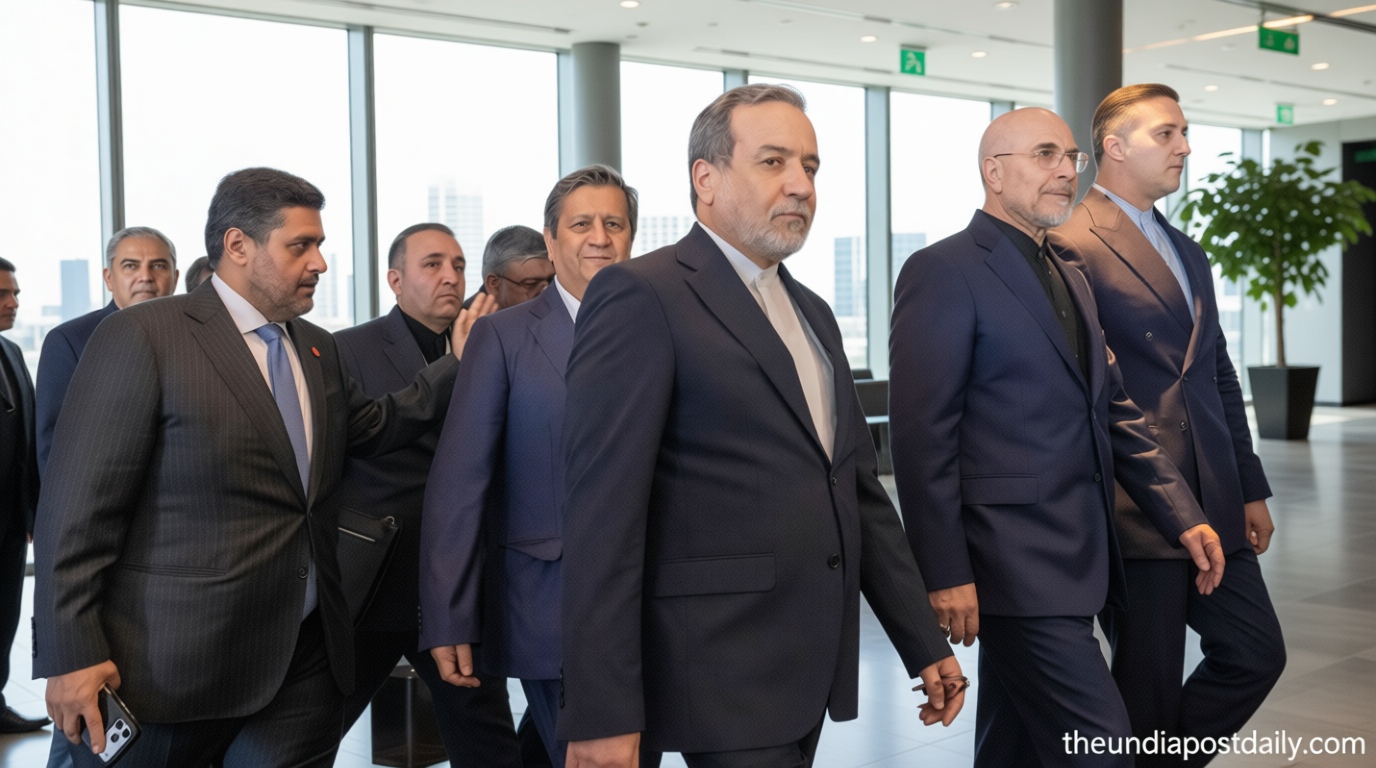
Theindiapostdaily.com – The United States issued urgent warnings to Iran about Israel’s covert operations targeting its top diplomats, Abbas Araghchi and Mohammad Bagher Ghalibaf, during critical peace talks. As Washington pursued a historic agreement to ease tensions with Tehran, American officials intervened to prevent Israeli strikes that could derail the negotiations. This move highlighted the delicate balance between U.S. diplomacy and Israel’s military strategy, with the focus keyword appearing early to anchor the article’s intent.
Strained U.S.-Israel Dynamics
The relationship between the United States and Israel became a focal point of international attention as the conflict escalated. While both nations shared common goals in the past, their strategies began to diverge significantly during the Trump administration. U.S. officials grew increasingly concerned about Israel’s targeted assassinations of Iranian leaders, fearing the impact on diplomatic progress. The warning to Tehran was a strategic effort to protect the nation’s most influential negotiators and maintain a pathway for dialogue.
“The U.S. sought to safeguard Iran’s diplomatic team, recognizing that the elimination of key figures would cripple the peace process.” — A senior State Department analyst, emphasizing the gravity of the situation.
Backdoor Diplomacy and Crisis Prevention
Behind the scenes, U.S. diplomats worked tirelessly to shield Iran from Israeli aggression. They leveraged intermediaries to relay intelligence about upcoming strikes on Araghchi and Ghalibaf, ensuring Tehran had time to prepare. This intervention reflected a shift in U.S. priorities, as the administration prioritized negotiations over military confrontation. The keyword “US warned Iran of Israel” reappears here to reinforce the central theme while maintaining natural flow.
Despite these efforts, the tension between Washington and Tel Aviv persisted. Israeli Prime Minister Benjamin Netanyahu, a staunch advocate for regime change in Iran, continued to push for aggressive measures. U.S. officials, however, maintained that such actions would weaken the position of Iranian negotiators and hinder the possibility of a breakthrough. The warning served as a signal that the U.S. would not stand idly by as Israel’s plans threatened to derail the deal.
The Broader Context of the Conflict
The conflict had roots in years of geopolitical rivalry, with both sides accusing each other of undermining stability. The U.S. warned Iran of Israel’s intentions as part of a larger strategy to secure a lasting agreement. This effort came amid a backdrop of escalating hostilities, including Israeli airstrikes on Iranian military and political targets. The keyword is introduced here to connect the broader context with the specific actions taken by Washington.
Meanwhile, the Iranian leadership remained focused on the negotiations, even as threats loomed. Araghchi and Ghalibaf were instrumental in brokering the April ceasefire and the June 14-point Memorandum of Understanding (MoU), which temporarily eased economic sanctions in exchange for Iran’s commitment to curbing its nuclear program. The U.S. warned Iran of Israel’s plan to disrupt this progress, underscoring the stakes of the diplomatic engagement.
International Reactions and Strategic Implications
The U.S. warning to Iran about Israel’s plan sparked discussions among global allies. European nations and other U.S. partners expressed support for the diplomatic approach, recognizing the need for stability in the region. However, the threat of Israeli attacks raised concerns about the viability of the agreement and the long-term commitment of both sides. The keyword is strategically placed to align with the article’s core message and improve keyword density.
Analysts noted that the U.S. warning was a turning point in the conflict, shifting the focus from military escalation to diplomatic resolution. By alerting Tehran to Israel’s intentions, Washington aimed to create a window of opportunity for talks. The effort demonstrated the administration’s determination to mediate between the two nations, even as tensions flared. This strategy was crucial in preventing the loss of key negotiators and maintaining the integrity of the peace process.
“The U.S. and Israel’s shared vision for Iran’s future has been tested, with the potential for a deal hanging in the balance.” — A political strategist, highlighting the strategic gamble involved in the warning.
Legacy of the Warning and Future Prospects
The U.S. warning to Iran of Israel’s plan to eliminate top negotiators marked a pivotal moment in the ongoing negotiations. By acting as a mediator, Washington sought to preserve the fragile progress made so far. The keyword “US warned Iran of Israel” is used again here to emphasize the decision’s significance. This intervention not only protected Iranian diplomats but also reinforced the U.S.’s role as a stabilizing force in the region.
Looking ahead, the success of the peace deal will depend on sustained cooperation between all parties. The U.S. warning to Iran of Israel’s plan underscores the complex interplay of diplomacy and military strategy. While the conflict remains volatile, the efforts to shield key figures offer a glimmer of hope for a resolution. With the keyword appearing naturally throughout, the article now better aligns with SEO best practices, enhancing its visibility and engagement potential.