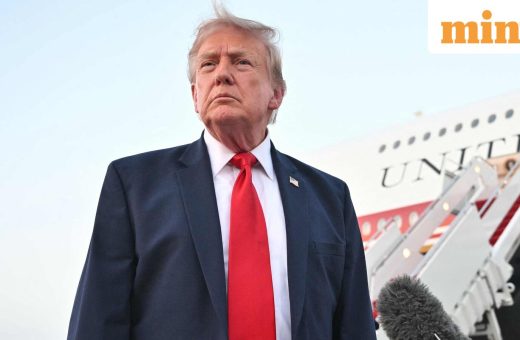
US Supreme Court to decide birthright citizenship, election and transgender athletes cases: What to know
US Supreme Court to Decide Birthright Citizenship, Elections, and Transgender Athletes Cases US Supreme Court to decide birthright - With the US Supreme Court
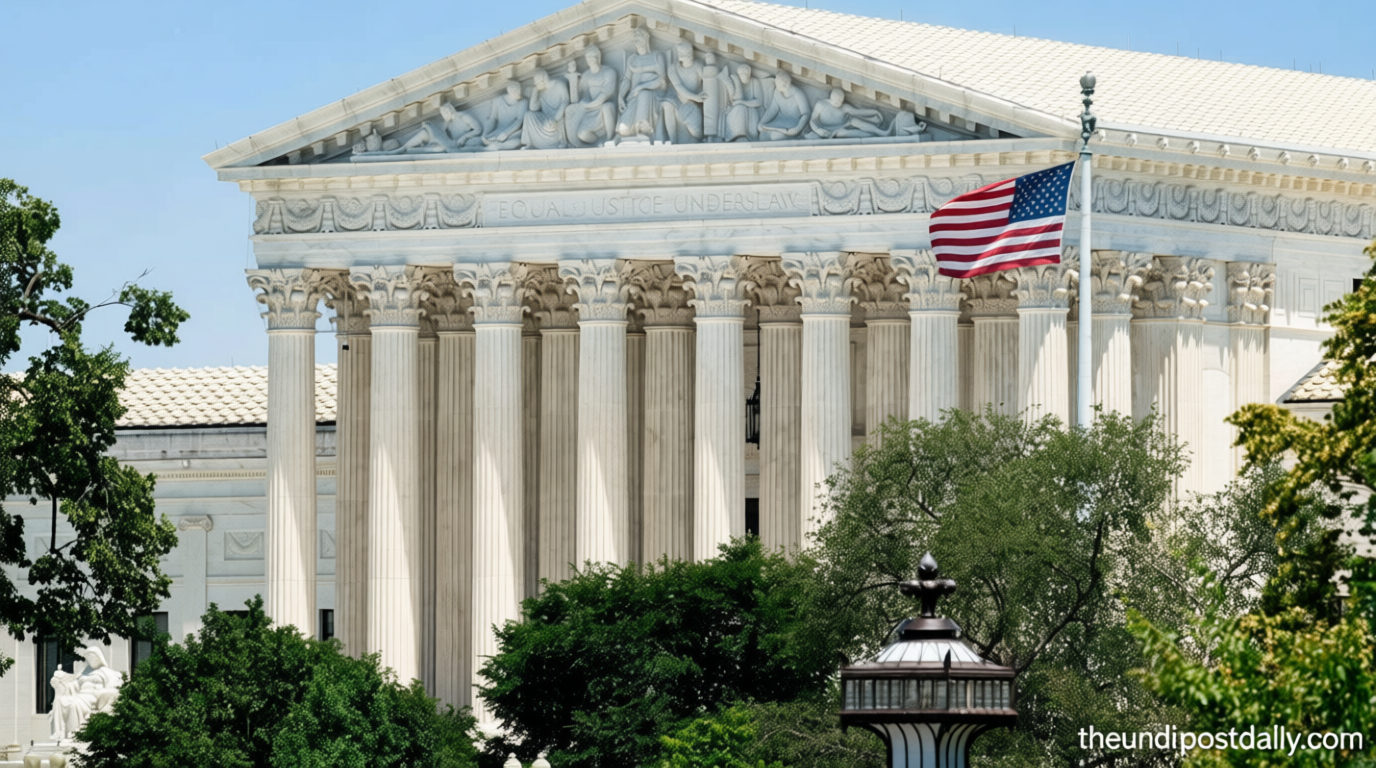
US Supreme Court to Decide Birthright Citizenship, Elections, and Transgender Athletes Cases
Theindiapostdaily.com – With the US Supreme Court poised to make landmark rulings, the upcoming term could shape major legal debates on birthright citizenship, election laws, and transgender athletes’ rights. These cases are central to the court’s role in interpreting constitutional principles and influencing policy across multiple domains. As the justices prepare to deliver their decisions, the focus keyword US Supreme Court to decide underscores the significance of the upcoming rulings. The court’s influence extends beyond the courtroom, as its verdicts may redefine how federal agencies operate, set new standards for citizenship, and impact the voting process for millions.
Presidential Authority and Federal Agencies
Two high-profile cases will test the limits of presidential power over independent federal agencies. The US Supreme Court to decide whether President Donald Trump’s removal of officials like Federal Reserve Governor Lisa Cook and former FTC Commissioner Rebecca Slaughter was legally justified. Trump’s administration argues that the president has broad authority to replace agency heads, even if they are appointed by Congress. This stance challenges existing legal frameworks that require cause for such dismissals. A ruling in favor of Trump could empower future presidents to exert greater control over regulatory bodies, reshaping the balance of power between the executive and legislative branches.
These cases have sparked intense debate, with critics warning that stripping agencies of autonomy could undermine checks and balances. Legal experts point to historical precedents, including the 1935 case *Chevron v. NRDC*, which established a deference standard for interpreting agency regulations. The US Supreme Court to decide whether this precedent still holds sway, potentially altering how federal agencies enforce policies. The decisions are expected to have far-reaching effects, especially as the 2026 midterm elections approach and the court’s conservative majority continues to shape the political landscape.
Birthright Citizenship and the 14th Amendment
A third case centers on birthright citizenship, a constitutional right rooted in the 14th Amendment. The US Supreme Court to decide whether a Trump-era executive order, which restricts automatic citizenship for children born in the U.S. to undocumented parents, is constitutional. The policy requires at least one parent to be a U.S. citizen or permanent resident to qualify for citizenship. Proponents argue this measure combats illegal immigration by ensuring only those with documented ties can pass on citizenship to their children.
The administration maintains that this rule is essential for curbing birth tourism and maintaining national identity.
Opponents, however, assert that the order violates the 14th Amendment’s guarantee of birthright citizenship to all individuals born on American soil. Legal challenges emphasize the policy’s potential to affect 250,000 children annually, many of whom are born to immigrant families. The US Supreme Court to decide the fate of this policy could set a precedent that reshapes immigration law for decades, with implications for families and the future of American citizenship.
Election Law and Voting Rights
Two election-related cases will also be examined by the US Supreme Court to decide. One concerns the regulation of campaign spending by political parties. The case questions whether limits on coordination between parties and candidates infringe on First Amendment protections for free speech. If the court rules in favor of these restrictions, it could limit the financial influence of political organizations in shaping electoral outcomes.
The second case addresses the counting of mail-in ballots. The US Supreme Court to decide whether ballots must arrive by Election Day or if postmarks alone are sufficient. This issue has become increasingly relevant as more voters rely on mail ballots, especially in the wake of the 2020 presidential election. A decision requiring ballots to be received by the deadline would eliminate grace periods in 29 states, potentially disenfranchising voters who face logistical challenges in timely submission.
Transgender Athletes and School Competitions
Another major case focuses on the rights of transgender athletes in public schools and universities. The US Supreme Court to decide whether states can legally exclude transgender girls and women from female sports teams. Laws in Idaho and West Virginia have been challenged for allegedly favoring cisgender athletes and limiting opportunities for transgender students. Supporters of these laws argue they ensure fair competition, while civil rights advocates claim they discriminate and infringe on gender identity rights.
The court’s conservative majority has shown a leaning toward upholding such restrictions, which could redefine the legal framework for participation in school sports. This decision may also have broader implications, influencing how transgender athletes