US Supreme Court rulings on birthright citizenship, transgender athletes’ rights, election campaign finance today
US Supreme Court's 2025-26 Term Concludes with Key Rulings Theindiapostdaily.com – The US Supreme Court has finalized its landmark decisions for the 2025-26 term, focusing on critical legal matters including…
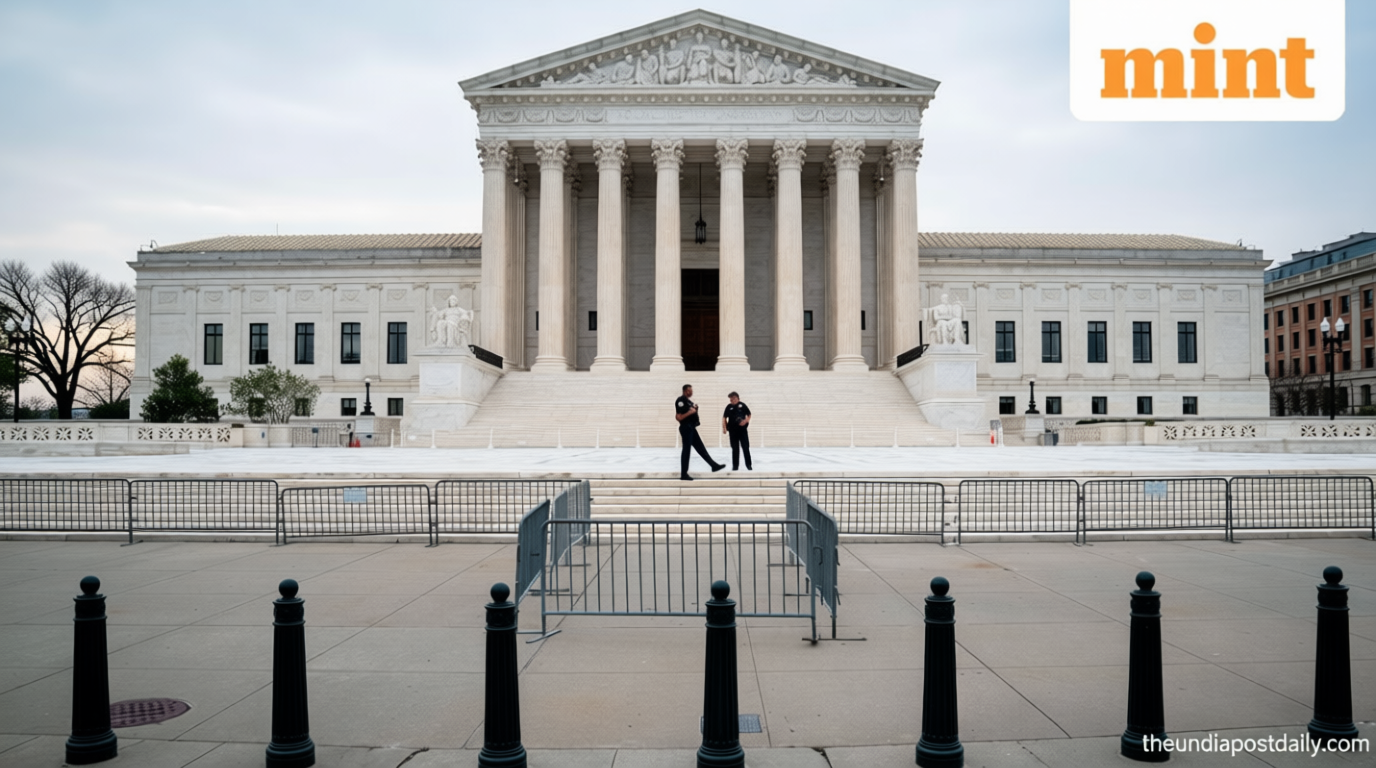
US Supreme Court’s 2025-26 Term Concludes with Key Rulings
Theindiapostdaily.com – The US Supreme Court has finalized its landmark decisions for the 2025-26 term, focusing on critical legal matters including birthright citizenship, transgender athletes’ rights, election finance, and parental authority. These rulings, centered on the US Supreme Court rulings on birthright, will influence national policies and reshape public debates on immigration, gender identity, and political spending.
Birthright Citizenship: A Constitutional Debate
This case centers on the interpretation of birthright citizenship under the 14th Amendment, which guarantees citizenship to anyone born in the United States. The Supreme Court’s decision could redefine who qualifies for automatic citizenship, impacting millions of children born to immigrants. President Donald Trump’s executive order, which seeks to limit birthright citizenship for certain groups, has sparked controversy over its effect on constitutional rights and immigration policy.
“All persons born or naturalized in the United States, and subject to the jurisdiction thereof, are citizens of the United States.”
Legal experts argue that the ruling will clarify whether the birthright citizenship clause applies universally or selectively. The court’s decision may affect access to essential services like healthcare and education, while also determining the constitutional boundaries of executive power in immigration matters.
Transgender Athletes’ Rights: State Laws Under Scrutiny
Another pivotal case examines state laws that restrict transgender girls from participating in girls’ sports. Idaho and West Virginia have enacted policies requiring transgender athletes to compete in categories aligned with their assigned sex at birth. These laws face legal challenges that could determine the future of gender inclusivity in athletics.
With over half of U.S. states implementing similar restrictions, the Supreme Court’s ruling will have far-reaching implications. The case highlights the tension between state autonomy and federal constitutional protections, particularly regarding the rights of transgender individuals to compete on teams matching their gender identity.
Political Campaign Finance: Expanding Spending Limits
The court also addressed regulations on coordinated campaign expenditures, allowing political parties and candidates to pool resources for advertising and outreach. Current federal rules limit how much party committees can spend in tandem with individual campaigns, a practice challenged by Republican groups as a violation of free speech rights.
Legal analysts predict that a potential overturning of these limits could enable parties to significantly boost their influence before the 2026 midterms. The ruling on US Supreme Court rulings on birthright may intersect with this decision, as both reflect broader shifts in how constitutional rights are interpreted and applied.
Parents’ Rights: Guardianship in Gender-Affirming Care
A final case explores whether parents can challenge Washington state laws that protect runaway transgender minors from being denied gender-affirming care. The law permits shelters to delay informing families about a child’s healthcare choices, citing potential risks of abuse or neglect.
Parents argue that the law infringes on their constitutional rights to make decisions for their children, particularly in matters of identity and health. The Supreme Court’s judgment will set a precedent for how parental authority is balanced against state interventions in transgender minors’ care.
Implications Across Society and Law
These rulings will have lasting impacts on immigration policy, athletic inclusion, political funding, and family rights. The US Supreme Court rulings on birthright could redefine the legal status of children born to undocumented immigrants, while transgender athletes’ rights cases may influence future legislation in schools and sports organizations.
Meanwhile, the campaign finance decision could alter the landscape of political spending, potentially giving national parties more control over grassroots efforts. The parental rights case, meanwhile, adds a new layer to the debate over individual freedoms versus state mandates, particularly in matters of healthcare and upbringing.
As the Supreme Court wraps up its term, these rulings will serve as touchstones for ongoing legal and social discourse. The intersection of US Supreme Court rulings on birthright with other cases underscores the court’s role in shaping the rights and responsibilities of individuals across the nation.