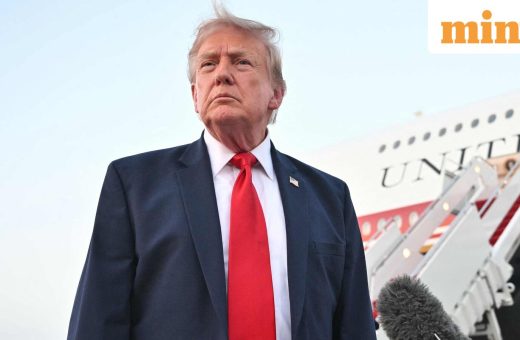
US Supreme Court clears Trump immigration moves on temporary protected status and asylum policy — Explained
US Supreme Court Clears Trump's TPS and Asylum Policy Moves Theindiapostdaily.com – The U.S. Supreme Court cleared Trump's immigration moves on Temporary Protected Status (TPS) and asylum policy, marking a…
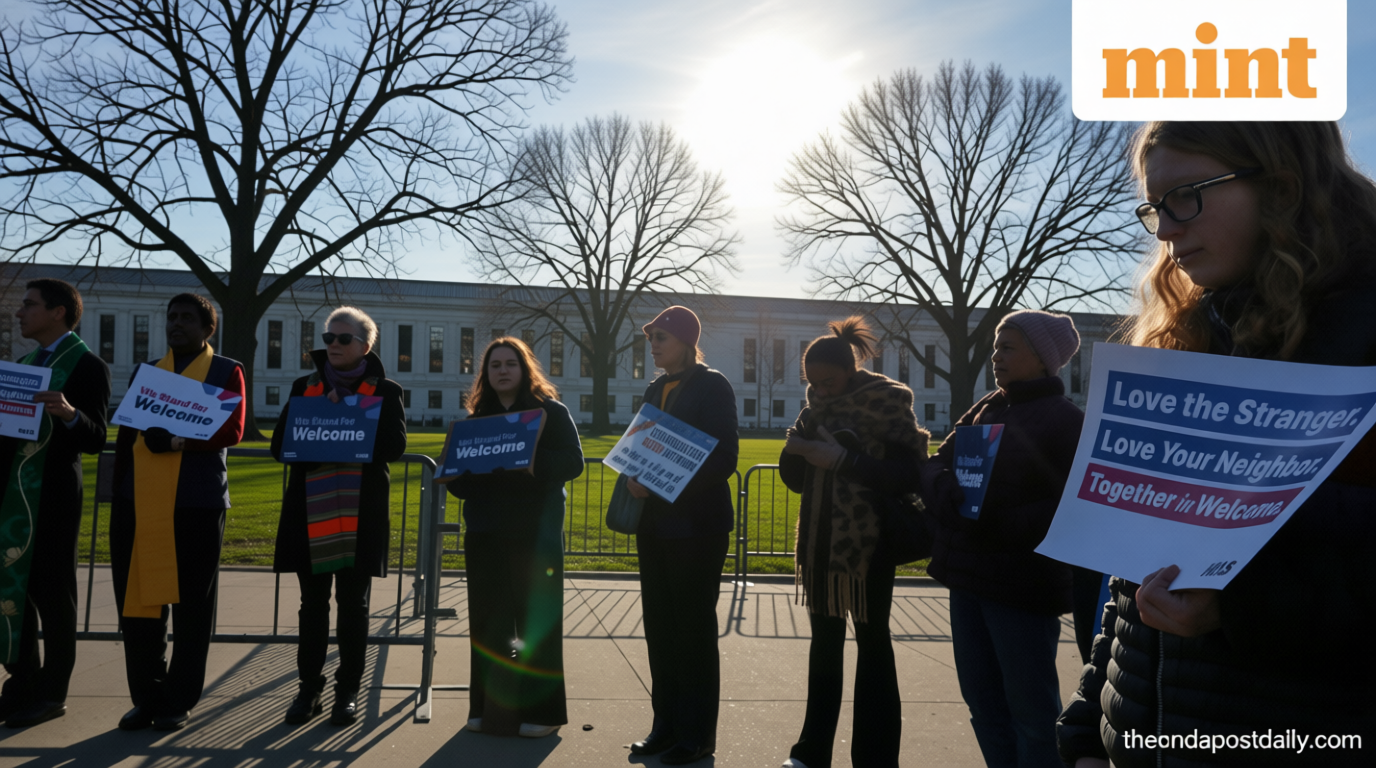
US Supreme Court Clears Trump’s TPS and Asylum Policy Moves
Theindiapostdaily.com – The U.S. Supreme Court cleared Trump’s immigration moves on Temporary Protected Status (TPS) and asylum policy, marking a significant shift in the nation’s approach to migrant protections. The 6-3 rulings upheld the administration’s authority to rescind TPS designations and reinstate a restrictive asylum process, granting the executive branch greater control over border policies. This decision has sparked debate over the balance between national security and humanitarian obligations, with supporters praising the court’s support for presidential discretion and critics warning of potential long-term consequences for asylum seekers.
Key Rulings and Policy Implications
The landmark rulings allowed the Trump administration to end TPS for Haitian and Syrian nationals, impacting approximately 350,000 Haitians and 6,000 Syrians. The court’s majority argued that TPS statutes inherently limit judicial review, enabling swift executive action without requiring detailed oversight. This interpretation expands presidential power to adjust or terminate the program, which has been in place since 1990. The decision also cleared the way for the revival of the “metering” policy, which restricts daily asylum applications at U.S. border crossings, potentially forcing migrants to wait in Mexico before entering the country.
With the approval of these moves, the administration can now terminate TPS for up to 1.3 million individuals from 17 countries, a process they described as a “de facto amnesty.” Critics, however, argue that the policy rollbacks were rushed and influenced by political considerations, raising concerns about fairness and consistency in immigration law. The rulings also bolstered the government’s ability to control asylum access, which could lead to longer wait times and fewer opportunities for migrants seeking refuge from violence or persecution.
Understanding Temporary Protected Status
Temporary Protected Status (TPS) is a temporary immigration relief program designed for nationals from countries experiencing natural disasters, war, or other crises. Established by Congress in 1990, TPS allows eligible migrants to reside and work legally in the U.S. for renewable periods, typically up to 18 months. Originally granted to Haiti following the 2010 earthquake, the program has since been extended due to ongoing instability and gang violence. Syria, too, received TPS during its 2011–12 civil war, with designations often extended in response to humanitarian needs.
While TPS provides stability for migrants, it does not grant a direct path to citizenship. Instead, it serves as a stopgap measure, allowing individuals to remain in the U.S. temporarily. The court’s decision to allow its termination reflects a broader strategy to streamline immigration policies, prioritizing presidential discretion over judicial intervention. This has raised questions about the long-term viability of TPS for countries facing prolonged crises, as well as its role in the U.S. immigration system.
Legal Arguments and Judicial Perspectives
The conservative majority justified the rulings by emphasizing that TPS statutes grant the executive branch broad authority to make decisions without excessive judicial scrutiny.