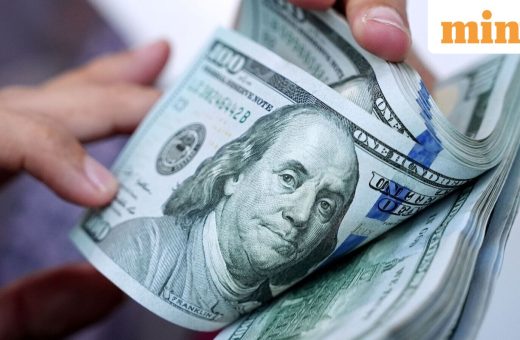
US Senator Elizabeth Warren asks Treasury Secretary Scott Bessent to justify the Trump administration’s Yen intervention
US Senator Elizabeth Warren asks Treasury Secretary Scott Bessent to provide a comprehensive justification for the Trump administration's recent intervention

US Senator Elizabeth Warren asks Treasury to Explain Yen Intervention Strategy
Theindiapostdaily.com – US Senator Elizabeth Warren asks Treasury Secretary Scott Bessent to provide a comprehensive justification for the Trump administration’s recent intervention in the Japanese yen market. This latest correspondence extends the senior Massachusetts Democrat’s ongoing scrutiny of the administration’s foreign-exchange policies and demonstrates her commitment to ensuring transparency in how taxpayer funds are utilized during critical economic moments.
In a formal letter dated August 13, US Senator Elizabeth Warren asks for detailed information regarding the administration’s actions. “To date, the administration has yet to provide a detailed justification for its intervention, nor has it officially disclosed how much taxpayer-linked funds were spent purchasing yen,” Warren wrote in the correspondence. The letter highlights concerns about the lack of public disclosure surrounding one of the most significant currency market interventions in decades.
Key Questions Raised in Warren’s Letter
US Senator Elizabeth Warren asks multiple critical questions in her correspondence to Treasury Secretary Bessent. The senator, who serves as the top Democrat on the Senate Banking Committee, requested that the administration provide its legal analysis for using the Exchange Stabilization Fund (ESF) to support the yen. She set an August 28 deadline for Bessent to respond to her inquiries.
Additionally, US Senator Elizabeth Warren asks about the expected financial burden on American taxpayers. She specifically requested information regarding “the scale and conditionality of the US financial support currently under consideration” for Japan. The senator also inquired whether the Treasury consulted with the European Central Bank regarding the use of euros in the yen operation, noting that reports suggest the ECB was informed only after the intervention occurred.
Bessent confirmed media reports of the first US-Japan joint intervention to support the yen since 1998, following actions taken on July 31. However, he has not yet specified the exact amount of funds utilized in the operation. The Treasury chief indicated that the intervention involved euros drawn from the Treasury’s Exchange Stabilization Fund, an authority that Warren emphasized should be “invoked judiciously to advance the national interest.”
Broader Context and Implications
The yen intervention comes at a crucial time for global financial markets. Japan remains the single largest foreign holder of US Treasuries, and analysts have suggested that one of Bessent’s primary motivations for intervening was to prevent potential sales by Tokyo that could have driven US yields higher. US Senator Elizabeth Warren asks whether financial market turbulence in Japan might subsequently impact American jobs, wages, and overall financial stability.
Notably, Bessent previously employed ESF funds during the fall of 2025 to intervene in the Argentine peso market, providing support for President Javier Milei’s economic initiatives. In her latest letter, US Senator Elizabeth Warren asks about this earlier intervention as well, describing it as a “politically driven, taxpayer-backed bailout.” While the Treasury chief has stated that the United States generated profits from its Argentina support, his department has not released comprehensive details about that operation.
The Treasury has not yet issued an immediate response to Warren’s latest letter. More information about this developing story can be found at Bloomberg.com.
Frequently Asked Questions
What is the Exchange Stabilization Fund? The ESF is a Treasury Department fund established in 1934 that allows the United States to intervene in foreign exchange markets to stabilize the dollar and support international financial stability.
When was the last US-Japan yen intervention? The previous joint intervention between the United States and Japan occurred in 1998, making this the first such coordinated effort in over two decades.
Why is Japan important to US financial markets? Japan holds more US Treasury securities than any other foreign nation, making Japanese investment decisions significant for American interest rates and financial stability.
What is the deadline for Bessent’s response? US Senator Elizabeth Warren asks that Treasury Secretary Bessent provide his response by August 28, giving the administration approximately two weeks to compile comprehensive answers.