US sanctions ICC president Tomoko Akane over Israel and Afghanistan investigations
The Trump administration moved on Tuesday, August 18, to impose sanctions on two senior figures at the International Criminal Court, marking the most
Washington Freezes Assets of ICC President and Senior Prosecutor in Escalating Clash with The Hague
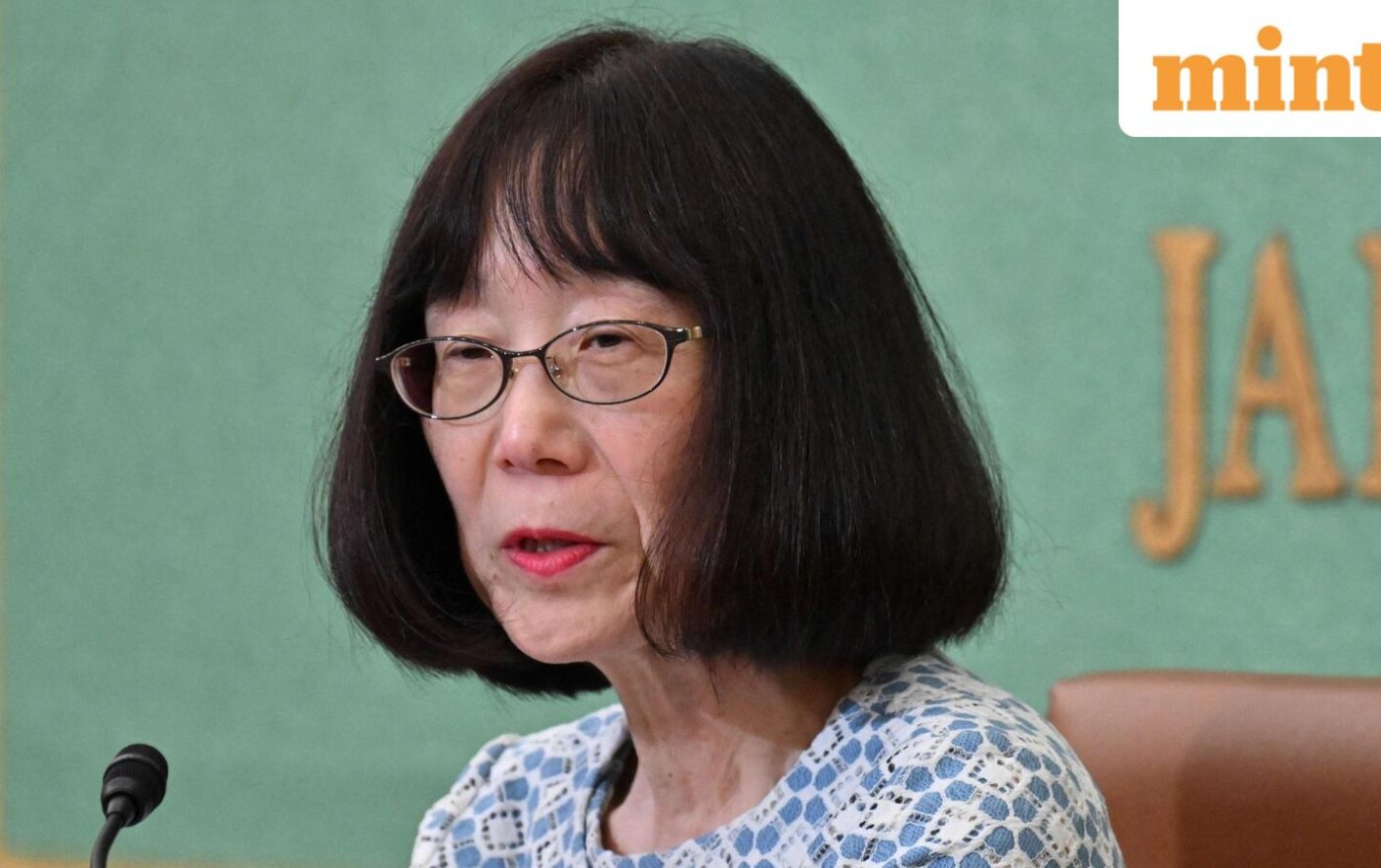
Theindiapostdaily.com – The Trump administration moved on Tuesday, August 18, to impose sanctions on two senior figures at the International Criminal Court, marking the most aggressive step yet in a sustained effort to pressure the Hague tribunal. Japanese judge Tomoko Akane, who chairs the ICC, and Senegalese senior trial lawyer Abdoulaye Seye are now subject to measures that can freeze their US-based holdings and cut them off from American financial channels.
Who Was Targeted and What the Measures Entail
The two individuals named in the action are:
Tomoko Akane — a Japanese jurist serving as president of the ICC. Abdoulaye Seye — a Senegalese national holding a senior trial-lawyer role at the court.
Under the sanctions regime, any assets the two hold within the United States may be frozen, and their ability to transact through the US financial system is curtailed. The restrictions can also ripple outward to internationally operating banks that maintain connections to American clearing networks. Separately, the US Treasury Department issued a general licence permitting the orderly wind-down of transactions involving Akane through September 17.
The Stated Rationale
Secretary of State Marco Rubio framed the action as a response to what he described as overreach by court officials into matters where the relevant governments had never accepted ICC jurisdiction.
“These individuals have directly engaged in efforts by the ICC to investigate, arrest, detain, or prosecute officials whose government has not consented to ICC jurisdiction,” Rubio said in a statement.
The sanctions were authorised under an executive order signed by President Donald Trump the previous year, which granted the administration broad latitude to take measures against ICC personnel.
Israel, Afghanistan, and the Jurisdictional Dispute
Washington’s frustration centres on two fronts. The first is the court’s 2024 issuance of arrest warrants against Israeli Prime Minister Benjamin Netanyahu and former Defence Minister Yoav Gallant, tied to alleged war crimes and crimes against humanity arising from the Gaza conflict. The second is an earlier probe into conduct by US military personnel in Afghanistan.
The United States has never ratified the treaty that created the ICC and has repeatedly rejected the court’s authority over American citizens. Trump has indicated that one aim of the campaign is to shield Netanyahu and other Israeli officials from potential prosecution.
The Court’s Rebuttal
The ICC responded sharply, characterising the US move as an attack on judicial independence and the broader rule of law.
“Measures targeting judges, prosecutors and staff who work towards the fulfilment of the mandate that was conferred to the ICC by States undermine the rule of law,” the court said.
“When judicial actors are threatened for applying the law, it is the international legal order itself that is placed at risk,” the court added.
A Pattern of Escalation
Tuesday’s action is the latest chapter in a series of US sanctions directed at ICC officials. Last year, Washington already imposed targeted measures on several judges and prosecutors following the Netanyahu and Gallant warrants and the Afghanistan investigation. Rubio has signalled that the administration intends to intensify its pressure campaign, including diplomatic initiatives aimed at persuading other states to withdraw from the institution.
Background: The Court and Its Jurisdiction
Founded in 2002, the ICC prosecutes individuals charged with genocide, war crimes, and crimes against humanity in situations where national courts are unable or unwilling to carry out proper investigations and trials. Although the United States never joined the founding treaty, the court can assert jurisdiction in defined circumstances even when the accused’s home country is not a member — for example, where alleged crimes were committed on the territory of an ICC member state. That jurisdictional question has become a defining fault line in relations between Washington and The Hague.
Related Reading
Frequently Asked Questions
What is US sanctions ICC president Tomoko Akane?
US sanctions ICC president Tomoko Akane is the main topic of this guide. The article explains the context, practical details, and next steps readers should understand.
Why does US sanctions ICC president Tomoko Akane matter?
US sanctions ICC president Tomoko Akane matters because readers are looking for a useful answer, not just a short summary. Good content should match search intent and help them decide what to do next.