US ‘must’ respond: Trump confirms Iran shot down Army’s Apache helicopter over Strait of Hormuz
Trump Confirms Iran Shot Down US Apache Helicopter Over Strait of Hormuz; US Must Respond US must respond - President Donald Trump has confirmed that Iran shot down a US…
Trump Confirms Iran Shot Down US Apache Helicopter Over Strait of Hormuz; US Must Respond
US must respond – President Donald Trump has confirmed that Iran shot down a US Army Apache helicopter while it was conducting surveillance over the Strait of Hormuz, a critical waterway for global oil transportation. The incident, which Trump described as a “necessity” for a robust US response, has reignited concerns about escalating tensions in the Middle East. With the focus keyword “US must respond” naturally embedded in the opening, the event underscores the strategic importance of the Strait of Hormuz and the ongoing rivalry between the United States and Iran.
Details of the Apache Helicopter Downing
The Apache helicopter, a heavily armed and armored military aircraft, was reportedly downed by Iranian forces near the strategic strait. According to official statements, a drone boat successfully retrieved two American pilots from the damaged aircraft within two hours of the attack. This operation highlighted the US military’s preparedness to respond swiftly to such threats, despite the geopolitical risks involved. The Apache, equipped with a 30mm chain gun and Hellfire missiles, had been part of a broader US military presence in the region to monitor Iranian activities.
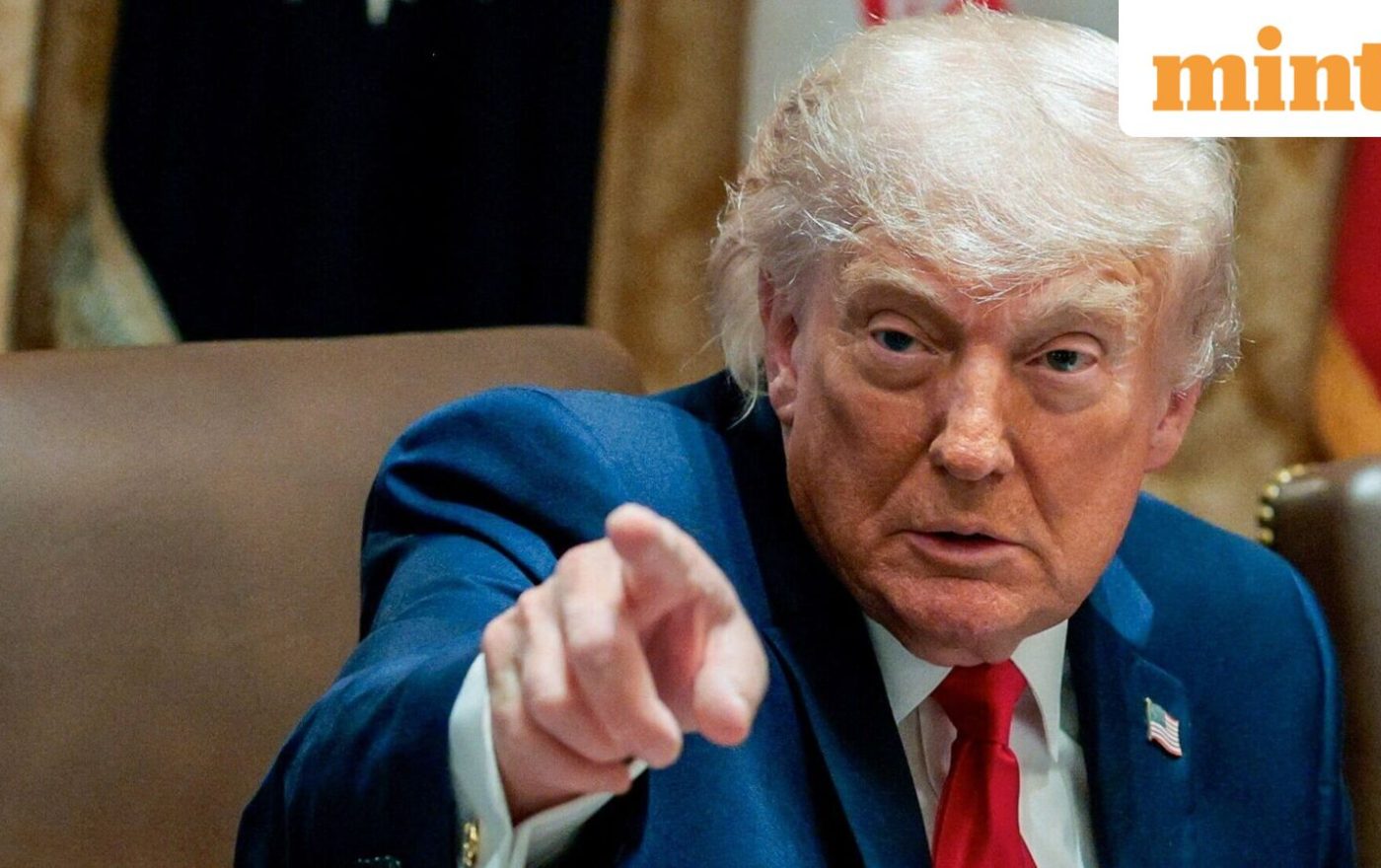
“I have just been informed by our Great Military that last night the Iranians shot down one of our highly sophisticated Apache Helicopters while patrolling over the Strait of Hormuz,” Trump tweeted on TRUTH social media.
Trump emphasized that the attack required a “strong, powerful” US reaction, stressing the need for a decisive response to deter further Iranian aggression. The incident also raised questions about the effectiveness of Iran’s defensive capabilities in the region. US Central Command (CENTCOM) confirmed that the pilots were rescued by American forces and were in stable condition, though the exact circumstances of the downing remain under investigation.
Strategic Implications of the Attack
The Strait of Hormuz, a narrow passage through which over 20% of the world’s oil supply passes, has long been a focal point of US-Iran tensions. The downing of the Apache helicopter underscores Iran’s growing military assertiveness in the region and its ability to challenge US operations in critical chokepoints. Analysts warn that such an attack could destabilize the fragile ceasefire between the US and Iran, which was established on April 8 to prevent further hostilities.
“This attack demonstrates Iran’s willingness to escalate tensions and assert control over the region,” said a defense analyst, adding that the incident could force the US to reconsider its military posture in the Gulf.
Experts also noted that the use of drone boats to rescue pilots marks a shift in Iran’s military tactics, leveraging advanced technology to counter US aerial dominance. The event has sparked renewed debate about the potential for a broader conflict, with Trump’s emphasis on a “strong” response suggesting a possible increase in military activity. However, the exact reasons for the attack and its long-term impact on regional stability remain unclear.
Historical Context and Escalation
This incident follows the downing of an F-15 fighter jet by Iran in April, which had already strained the ceasefire negotiations. The current attack adds to a pattern of confrontations between the two nations, with Iran using its naval and aerial capabilities to challenge US interests. The US must respond not only to protect its military assets but also to reinforce its commitment to regional security and deter further Iranian aggression.
“Nevertheless, the United States must, of necessity, respond to this attack,” Trump reiterated in his post, signaling a firm stance against Iranian actions.
The attack occurred amid heightened tensions following a recent exchange of fire between Iran and Israel. While both sides had agreed to a temporary pause in hostilities, Iran warned that it would resume attacks if Israel continued targeting Hezbollah in Lebanon. This backdrop of military confrontations has created a volatile environment, making the US’s response critical to maintaining balance in the region.
Global Reactions and Diplomatic Impact
International observers have expressed concern over the incident, with some warning of a potential arms race in the Gulf. The US must respond to not only safeguard its interests but also to signal resolve to allies and adversaries alike. Meanwhile, the Biden administration has called for a measured approach, emphasizing the need to avoid direct military conflict while protecting American forces.
“The US must respond in a way that deters further aggression but also preserves the possibility of diplomatic resolution,” stated a senior State Department official.
Despite Trump’s aggressive rhetoric, the focus keyword “US must respond” remains central to the narrative. The attack has prompted discussions about the effectiveness of current ceasefire agreements and the need for stronger diplomatic frameworks. As the US prepares for its next move, the world watches closely to see how the conflict will unfold in the coming days.
In conclusion, the downing of the Apache helicopter over the Strait of Hormuz has placed the US in a difficult position, forcing it to balance military action with diplomatic efforts. With the focus keyword “US must respond” recurring throughout the article, the incident serves as a pivotal moment in the ongoing Middle East conflict. The response will not only determine the trajectory of US-Iran relations but also shape the future of regional security and global oil trade. As tensions continue to rise, the stakes have never been higher for both nations.