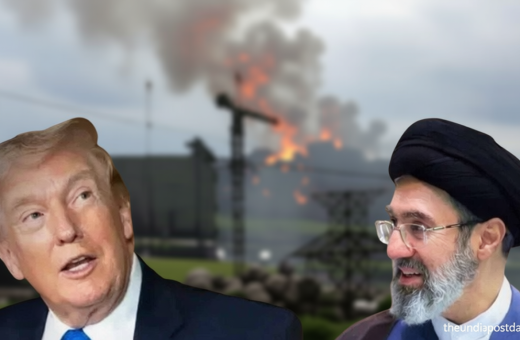
US-Iran peace deal: Trump signs MoU at Versailles, confirms White House; Pakistan says agreement takes effect
US-Iran Peace Deal Signed at Versailles, Pakistan Confirms Immediate Effect Theindiapostdaily.com – In a significant diplomatic development, US President Donald Trump finalized a memorandum of understanding (MoU) with Iran at…
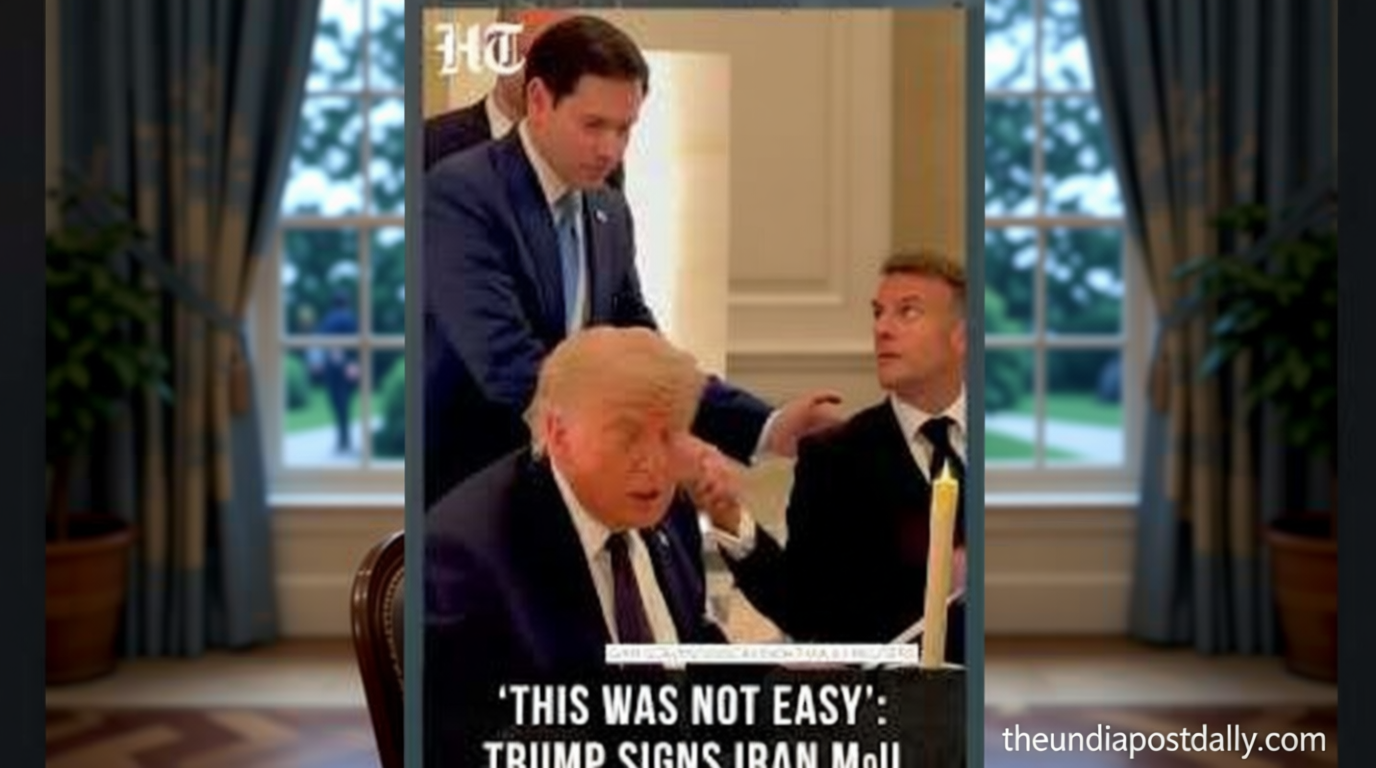
US-Iran Peace Deal Signed at Versailles, Pakistan Confirms Immediate Effect
Theindiapostdaily.com – In a significant diplomatic development, US President Donald Trump finalized a memorandum of understanding (MoU) with Iran at the Versailles summit, marking a pivotal step toward a long-awaited peace agreement. The deal, which has already been endorsed by the White House, was announced by Pakistan’s Prime Minister Shehbaz Sharif, who highlighted the agreement’s immediate implementation. This historic move follows a series of tense negotiations and promises to stabilize the volatile region. The **US-Iran peace deal** aims to ease tensions by addressing key issues such as nuclear ambitions, maritime access, and sanctions relief. As the **US-Iran peace deal** moves forward, its long-term success will depend on sustained collaboration and mutual trust between the two nations.
Key Provisions and Immediate Outcomes
The **US-Iran peace deal** outlines several critical provisions, including Iran’s commitment to halt nuclear weapon development and the immediate reopening of the Strait of Hormuz. These measures are designed to restore economic stability and ensure the free flow of oil, a crucial component of global energy markets. Additionally, the agreement calls for the removal of US sanctions, which had previously strained trade and diplomatic relations. Pakistan, acting as a mediator, emphasized the deal’s impact, stating, “The **US-Iran peace deal** marks a turning point in regional diplomacy, with tangible benefits for both sides and the broader Middle East.”
“The agreement’s activation is a testament to the determination of both parties to prioritize peace over conflict,” said a senior Pakistani official, underscoring the strategic importance of the **US-Iran peace deal** in curbing tensions.
Trump’s Strategic Approach and Ceasefire Commitments
President Trump’s decision to sign the MoU at Versailles was a calculated effort to demonstrate US resolve in achieving a ceasefire in Lebanon. During the G7 summit, he reiterated his commitment to peace, stating, “We are not here to escalate, but to de-escalate. The **US-Iran peace deal** is a blueprint for stability.” His remarks followed a previous warning about potential military action against Iran, which had raised concerns among regional allies. However, the MoU signals a shift toward dialogue, with Trump emphasizing that the agreement would be enforced through both diplomatic and military means.
“The **US-Iran peace deal** is not just a pact—it’s a promise. If Iran falters, we will not hesitate to act,” Trump declared, highlighting the balance between diplomacy and deterrence.
Iran’s Stance and Regional Implications
Iranian President Masoud Pezeshkian and parliamentary speaker Mohammad Bagher Ghalibaf were instrumental in finalizing the **US-Iran peace deal**, though some officials remain skeptical of Washington’s intentions. Ghalibaf, in a televised address, noted, “While we have agreed to terms, the language of power is still on standby should trust not be fully established.” This cautious approach reflects Iran’s historical reluctance to cede strategic advantages. The **US-Iran peace deal** is expected to have far-reaching implications, particularly for Lebanon, where hostilities have persisted for years. Analysts suggest the agreement could reduce the risk of broader regional conflicts, provided all parties uphold their commitments.
Pending Finalization and Verification Steps
While the **US-Iran peace deal** is now in effect, certain aspects require further verification. The White House confirmed the agreement’s details, but experts caution that implementation timelines and compliance mechanisms must be clearly defined. For instance, the removal of US sanctions will depend on Iran’s adherence to nuclear agreements, while the Strait of Hormuz’s reopening necessitates coordination with maritime authorities. Pakistan’s role as mediator is also critical, ensuring that the **US-Iran peace deal** remains a focal point of international attention and support.
“The **US-Iran peace deal** is a positive step, but it’s only the beginning. Real progress will be measured by how well the terms are executed,” remarked a Middle East analyst, stressing the need for transparency and accountability.
Regional Reactions and Future Prospects
The **US-Iran peace deal** has sparked mixed reactions across the region. While Lebanon and Gulf states expressed cautious optimism, Israel remains wary, with its leaders emphasizing the need for continued security guarantees. The agreement’s success may also hinge on the involvement of other key players, such as Saudi Arabia and Iraq, whose regional interests could influence its long-term viability. Meanwhile, the US and Iran are working to solidify the deal through a planned signing ceremony in Switzerland, where final details will be unveiled. This step is crucial to gaining international recognition and ensuring the **US-Iran peace deal** remains a cornerstone of global diplomacy.
“This agreement is a rare opportunity to transform rivalry into cooperation. It’s up to both nations to make it work,” said a European diplomatic source, highlighting the potential for a new era of stability in the region.