US-Iran peace deal: Trump says Iran will get ‘no money, not ten cents’; claims Tehran is finished
President Donald Trump has made a bold statement regarding the latest
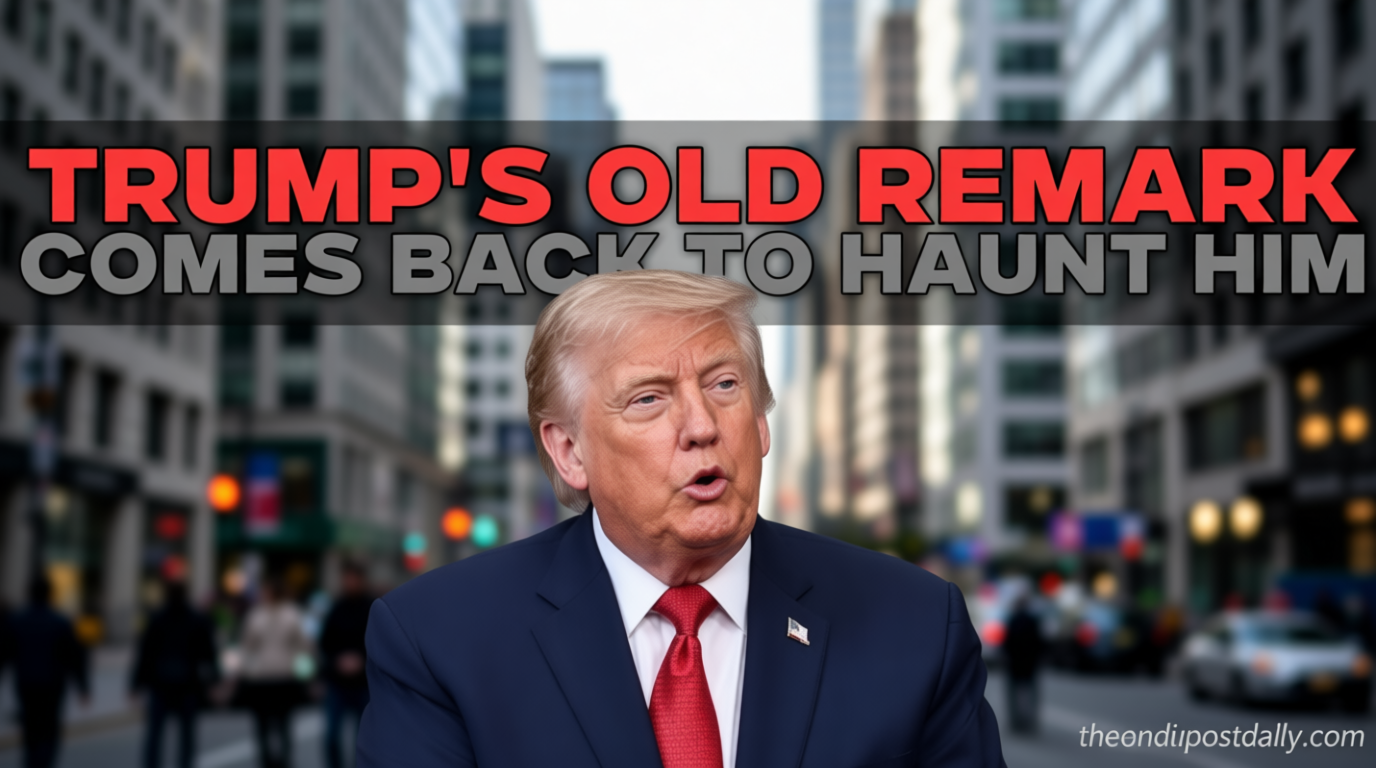
Trump’s US-Iran Peace Deal: No Financial Concessions for Tehran
Theindiapostdaily.com – President Donald Trump has made a bold statement regarding the latest US-Iran peace deal, asserting that Iran will not receive any financial support during the 60-day negotiation period. In a recent post on his social media account, Trump highlighted the terms of the 14-point Memorandum of Understanding (MoU), which outlines the agreement between his administration and Iranian President Masoud Pezeshkian. He emphasized that the deal was not a sign of US weakness but rather a strategic move to address Iran’s geopolitical ambitions. “We didn’t meet out of desperation, Iran did. They are FINISHED! We’ll play out the 60 days. They get no money, not ten cents!” the president declared, signaling a firm stance on withholding economic relief from the Islamic Republic.
Trump’s Claims of Iran’s Decline
Trump’s remarks were accompanied by a strong narrative of Iran’s diminished military and economic capabilities. He claimed that the ongoing conflict had eroded Tehran’s ability to maintain a fully operational Air Force, Navy, and radar systems, leaving the country vulnerable. “The War has diminished Iran! It doesn’t, any longer, have an Air Force, a Navy, anti-aircraft equipment, Radar, or practically anything else,” he wrote, contrasting this with Democratic claims that Iran has strengthened its position since the agreement was signed. The president argued that the deal marked a decisive turning point in the relationship, with Iran now facing significant pressure to comply with the terms.
“We didn’t meet out of desperation, Iran did. They are FINISHED! We’ll play out the 60 days. They get no money, not ten cents!”
The Framework of the US-Iran Peace Deal
The MoU, signed in Versailles, France, on 14 June, established an interim framework for the peace deal, with both sides agreeing to extend negotiations within 60 days. This framework includes immediate cessation of hostilities across all fronts, including in Lebanon and the Gulf region, and provisions for lifting economic sanctions. Trump and Pezeshkian’s agreement also sets out plans to unfreeze Iranian assets, grant Treasury waivers for oil exports, and create a $300 billion reconstruction fund to aid Tehran. White House officials have praised the deal as a major diplomatic achievement, noting that most experts would not have predicted its success six months ago.
Despite the optimism, the agreement has drawn mixed reactions. While Trump framed the deal as a “unconditional surrender” from Iran, some analysts argue that it represents a temporary truce rather than a permanent resolution. The US-Iran peace deal is seen as a critical step in stabilizing the region, but its long-term success depends on Iran’s commitment to the terms and the US’s ability to enforce them. Additionally, the deal includes provisions for the removal of the US naval blockade and restrictions, with Iran guaranteeing safe passage for commercial ships through the Strait of Hormuz at no cost for the initial 60-day period.
Iran’s Foreign Ministry spokesperson, Esmaeil Baqaei, acknowledged the increased cost of breaching the agreement. “We concluded that the better option is for the presidents of the two countries to sign the text virtually, without the need to be present in a specific location. There are multiple reasons for this decision, one of the most important of which is that when the text reaches the signature of the highest officials of the two countries, the cost of violating it will also be higher,” the spokesperson stated in a report by ISNA. This statement suggests that Iran is willing to accept the deal as a pragmatic move to avoid further economic losses and military escalation.
Trump’s claim that Tehran is “finished” has sparked debate among international observers. While some agree that Iran’s strategic position has weakened, others point to its continued influence in the Middle East and its nuclear program as factors that could challenge the agreement. The US-Iran peace deal is expected to have significant implications for regional security and global trade, particularly as it aims to reduce tensions and create a framework for future cooperation. However, the 60-day window remains a critical period for both sides to assess the deal’s viability and address remaining concerns.