US completes strikes against Iran, releases videos showing strikes on 90 targets: Watch
US Completes Strikes Against Iran: Video Evidence Revealed Theindiapostdaily.com – On Wednesday, the United States officially concluded its recent military campaign against Iran, marking a pivotal moment in the ongoing…
US Completes Strikes Against Iran: Video Evidence Revealed
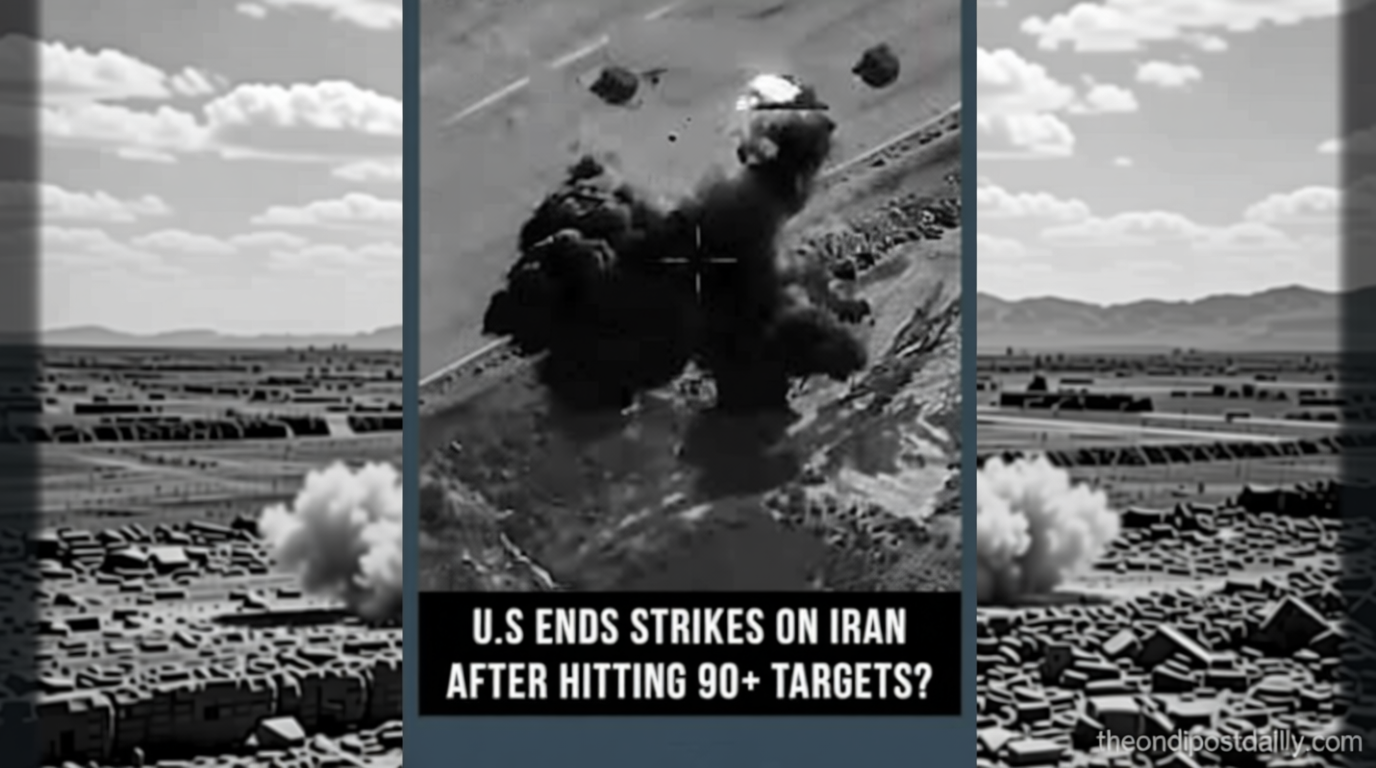
Theindiapostdaily.com – On Wednesday, the United States officially concluded its recent military campaign against Iran, marking a pivotal moment in the ongoing tensions between the two nations. The U.S. military confirmed the completion of strikes targeting 90 key sites across Iran, with the operation aiming to disrupt Tehran’s ability to threaten international shipping in the vital Strait of Hormuz. These strikes, which were part of a broader strategy to assert dominance in the region, were accompanied by the release of video footage showcasing the precision and scale of the attacks. The footage, shared by U.S. Central Command (CENTCOM), provided visual confirmation of the military’s efforts to weaken Iran’s logistical and defensive capabilities.
The operation followed a series of incidents in the Strait of Hormuz, where Iran had previously damaged three commercial vessels, escalating concerns about regional security. By targeting over 80 military assets, including more than 60 Revolutionary Guard vessels, the U.S. sought to impose a clear cost on Iran for its aggressive actions. The strikes, which were conducted in a coordinated manner, targeted critical infrastructure such as oil terminals, military bases, and supply lines along Iran’s coastline, underscoring the strategic intent behind the assault. This marked a significant escalation in the conflict, with the U.S. demonstrating its readiness to respond decisively to Iranian provocations.
Visual Evidence and Target Locations
CENTCOM’s release of strike footage was a deliberate effort to provide transparency and reinforce the narrative of a targeted, calculated response. The video showed explosive actions at multiple sites, including Bushehr—a region vital to Iran’s nuclear program—and key ports like Chabahar, Konarak, Bandar Abbas, and Sirik. These locations were chosen for their strategic importance, as they serve as hubs for Iran’s maritime operations and military logistics. The footage also highlighted the destruction of infrastructure, which could have long-term implications for Iran’s ability to project power in the Gulf.
Analysts noted that the strikes on bridges, a first since April, symbolized the U.S. military’s shift toward crippling Iran’s transportation networks. A railway bridge in Golestan province was among the targets, while the Revolutionary Guard reported hits on two bridges near Mashhad. These strikes aimed to disrupt the flow of supplies and reinforcements, potentially isolating Iranian forces in critical regions. Meanwhile, the release of video evidence was intended to bolster public support for the operation and signal the U.S. commitment to regional stability.
Iranian Response and Regional Implications
Iran swiftly responded to the U.S. strikes, launching missile and drone attacks on American facilities in Baharin and Kuwait. These retaliatory actions demonstrated Tehran’s resolve to defend its interests and signaled a potential intensification of hostilities. In addition to military retaliation, Iran issued strong verbal warnings, asserting that further U.S. aggression would result in severe countermeasures. Iranian Parliament Speaker Mohammad Bagher Ghalibaf condemned the strikes, stating, “Bullying and breaking promises are no longer cost-free.” His remarks emphasized Iran’s determination to hold the U.S. accountable for its actions in the region.
“America still hasn’t learned that bullying and breaking promises are no longer cost-free. If you strike, you’ll get hit,” Ghalibaf stated during a public address. The statement reflected Iran’s strategy of combining military and diplomatic pressure to deter further U.S. involvement. Ghalibaf also reiterated Iran’s control over the Strait of Hormuz, warning that any decisions about its maritime status would be made by Tehran, not Washington. “Don’t flail around pointlessly, or you’ll sink even deeper,” he added, highlighting the geopolitical stakes of the conflict.
The strikes have reignited concerns about the potential for a larger regional war, with neighboring countries like Saudi Arabia and the United Arab Emirates closely monitoring the situation. Analysts suggest that the U.S. aimed to deter Iran from interfering with commercial traffic in the strait, a critical artery for global oil exports. The operation also came amid heightened tensions between Iran and Israel, with both nations recently exchanging threats over their nuclear programs. As the U.S. solidifies its position in the region, the consequences of these strikes could shape the dynamics of Middle Eastern politics for months to come.
While the U.S. claimed success in neutralizing 90 targets, the effectiveness of the strikes remains a subject of debate. Iranian officials reported damage to infrastructure but emphasized that their military capabilities were not significantly reduced. The targeted destruction of bridges, for example, may have disrupted supply chains temporarily, but Iran’s ability to rebuild and reinforce its positions appears intact. Additionally, the reported casualties—three fatalities in Khuzestan province and a firefighter killed in Iranshahr—highlight the human cost of the conflict, which has drawn criticism from humanitarian organizations.
Despite the challenges, the U.S. military’s operation has been praised for its strategic precision and timely execution. The decision to release video evidence was a calculated move to align with international audiences and justify the strikes as necessary for protecting global trade. However, the operation has also raised questions about the potential for escalation. With Iran vowing to retaliate and the region already on edge, the risk of a prolonged conflict remains high. The U.S. and its allies will now closely monitor Iran’s response to determine the next steps in this evolving crisis.