Trump urges Netanyahu to be ‘more responsible’ on Lebanon, suggests Syria can handle Hezbollah
Trump Urges Netanyahu to Be 'More Responsible' in Lebanon Strategy, Suggests Syria Can Handle Hezbollah Trump urges Netanyahu to be more - At the G7 Summit in
Trump Urges Netanyahu to Be ‘More Responsible’ in Lebanon Strategy, Suggests Syria Can Handle Hezbollah
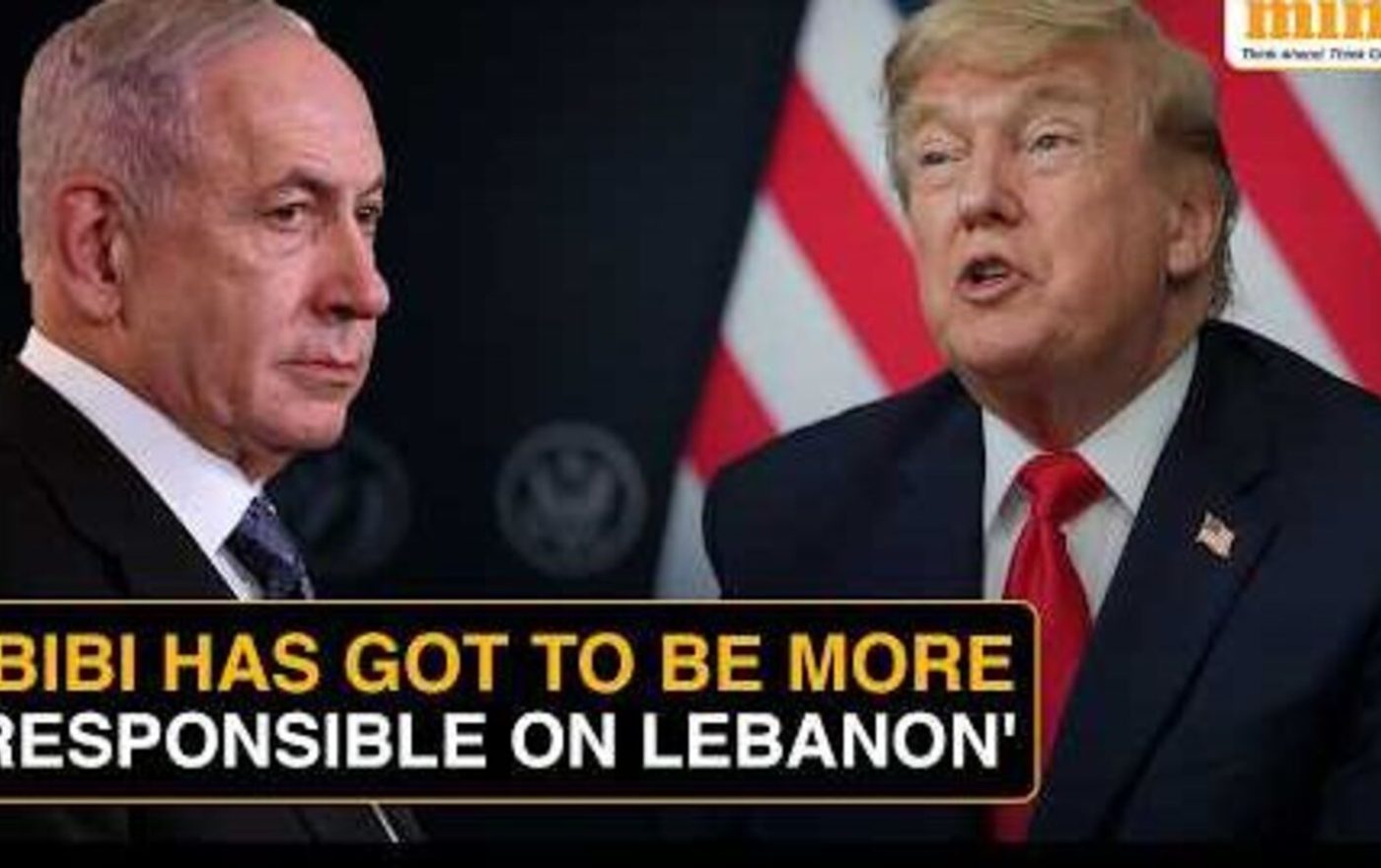
Theindiapostdaily.com – At the G7 Summit in Evian, France, U.S. President Donald Trump emphasized the need for Israeli Prime Minister Benjamin Netanyahu to adopt a more responsible approach to military operations in Lebanon. The remarks, delivered during a press briefing, coincided with ongoing negotiations for a historic peace agreement with Iran, which faces fresh challenges as tensions in the region escalate. Trump’s call for restraint came amid concerns that Israel’s current strategy in Lebanon could undermine the fragile diplomatic progress being made to secure a broader regional deal.
Trump’s Criticism of Israel’s Lebanon Campaign
Trump highlighted the extensive civilian casualties resulting from Israel’s prolonged campaign against Hezbollah, urging Netanyahu to implement a more measured strategy. “Israel’s fighting Hezbollah too long,” he stated, criticizing the lack of precision in strikes that have disproportionately affected Lebanese civilians. The president argued that such attacks risk alienating regional allies and destabilizing the peace process. “You don’t have to knock down an apartment house every time you’re looking for someone because there are a lot of people in those apartment houses and they’re not all Hezbollah,” he added, emphasizing the need for targeted operations over indiscriminate retaliation.
“If Israel can’t do the job without killing everyone, he’ll do the job. Syria will do the job,” Trump asserted, suggesting that Damascus could assume a more active role in managing Hezbollah’s activities. This statement positioned Syria as a potential mediator or partner in the conflict, shifting focus from Israel’s unilateral actions to a broader coalition approach. By framing Syria as a capable alternative, Trump aimed to alleviate pressure on Netanyahu while reinforcing the importance of regional cooperation in achieving stability.
Lebanon’s Role in the Regional Peace Deal
The Trump administration’s stance on Lebanon reflects its broader strategy to secure a comprehensive peace deal with Iran. While the agreement prioritizes resolving Iran’s nuclear program and easing sanctions, it also includes provisions for Lebanon’s participation in the process. However, the recent airstrikes on Beirut have raised questions about Israel’s commitment to this framework. Trump’s public criticism of Netanyahu’s tactics underscores the administration’s desire to ensure Lebanon remains a key player in the peace process without being dragged into a full-scale war.
“This Great Deal will bring Peace and Security to the whole Region,” Trump wrote on Truth Social, outlining his vision for a stable Middle East. The deal, he claimed, would open the Strait of Hormuz and allow oil to flow freely, marking a turning point in regional economic and political dynamics. Yet, the success of this vision hinges on Israel’s willingness to be more responsible in its operations, a point Trump reiterated during the summit to align Netanyahu’s actions with the broader goals of the agreement.
Israeli Officials’ Mixed Reactions
Despite Trump’s advocacy, Israeli officials have expressed reservations about the proposed peace deal. National Security Minister Itamar Ben-Gvir clarified that the agreement does not obligate Israel to accept Syria’s role in Hezbollah’s operations, reinforcing the country’s sovereignty. “Trump’s agreement does not bind us,” he tweeted, stressing Israel’s autonomy in foreign policy decisions. This divergence in perspectives highlights the challenge of reconciling U.S. diplomatic objectives with Israel’s strategic priorities, particularly in Lebanon’s volatile context.
The current deal’s framework includes a 60-day negotiation period, with Iran’s nuclear program and sanctions relief as central components. However, the unresolved issue of Lebanon’s involvement remains a sticking point. Trump’s push for Netanyahu to be more responsible in Lebanon reflects his belief that the prime minister’s approach could either strengthen or destabilize the agreement. As the G7 summit concludes, the next steps for the Iran deal will depend on whether Israel’s leadership can balance military action with diplomatic engagement.