Trump says US-Iran deal set to be signed on Sunday, Strait of Hormuz will be reopened immediately after
President Donald Trump declared on Saturday that the US-Iran deal is set to be signed on Sunday, with the Strait of
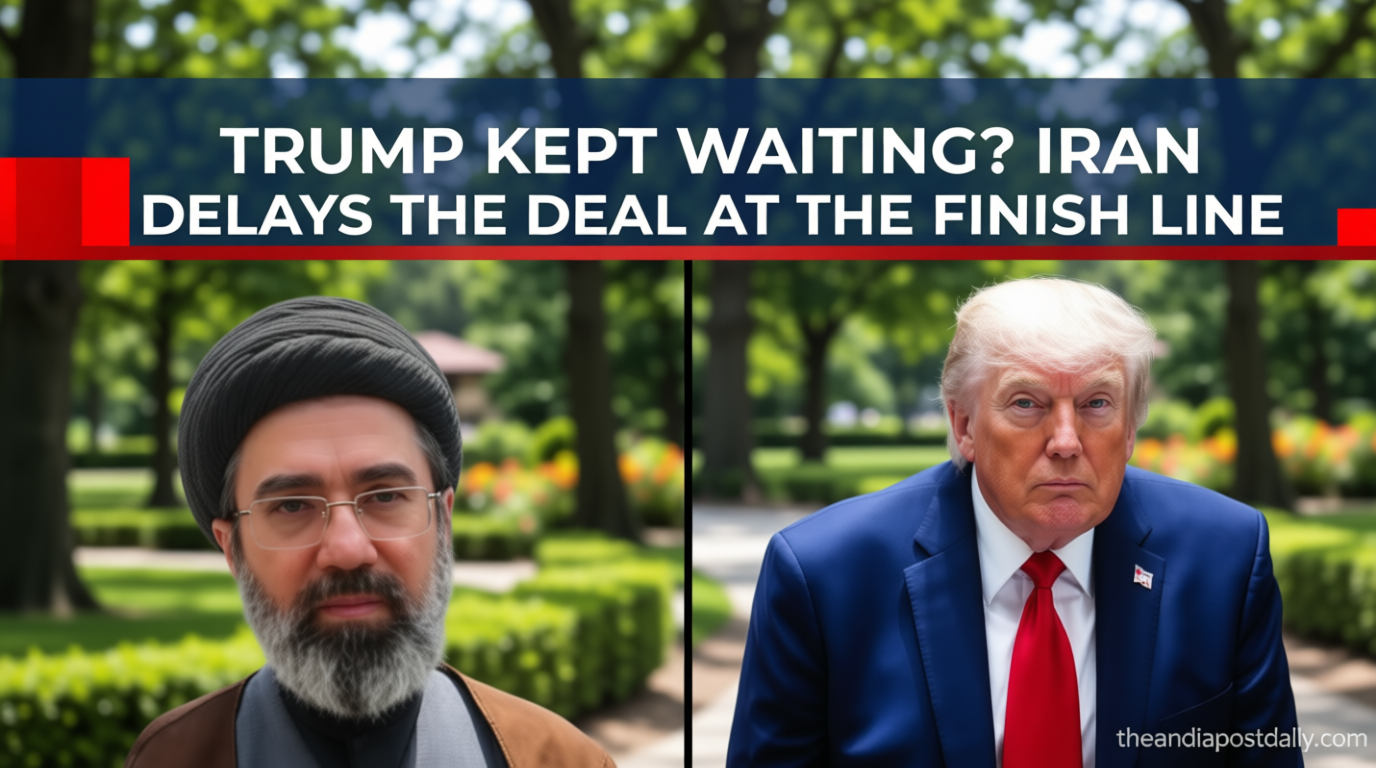
Trump Announces US-Iran Deal to Reopen Strait of Hormuz
Theindiapostdaily.com – President Donald Trump declared on Saturday that the US-Iran deal is set to be signed on Sunday, with the Strait of Hormuz expected to reopen immediately afterward. In a statement shared on Truth Social, Trump emphasized that the agreement would mark a significant shift in US-Iran relations, signaling a move toward favorable terms for Iran. The deal, which aims to resolve tensions over Iran’s nuclear program and regional influence, has been hailed as a potential turning point in the ongoing conflict. According to officials, the signing of the agreement would also pave the way for the removal of sanctions on Iranian oil exports, a key component of the Trump says US Iran deal.
Pakistan’s Strategic Support for the Agreement
Hours before the announcement, Pakistani Prime Minister Shehbaz Sharif expressed confidence in the impending peace deal, stating that finalization was imminent. Sharif’s office confirmed that the agreement would be electronically signed shortly after the scheduled signing date, with technical-level discussions planned for the following week. The prime minister acknowledged the collaborative efforts between the US and Iran, thanking both nations for their commitment to negotiations. His remarks underscore the critical role Pakistan plays in facilitating diplomatic dialogue between the two countries, which have been embroiled in conflict since late February.
Sharif’s comments were accompanied by a statement from his government, highlighting the preparedness of all parties to finalize the deal. The engagement with Qatar’s leadership, including a recent call with Sheikh Mohammed bin Abdulrahman bin Jassim Al Thani, further illustrates the regional alignment in support of the Trump says US Iran deal. This partnership could strengthen economic ties and security cooperation in the Persian Gulf, particularly in light of the strategic importance of the Strait of Hormuz.
Iran’s Caution and the Deal’s Uncertain Timeline
Despite the optimistic tone from US and Pakistani officials, Iran’s Foreign Ministry spokesperson Esmaeil Baghaei urged caution, stating that the exact date of the memorandum of understanding’s signing remained uncertain. While acknowledging the progress made, Baghaei noted that the timeline would depend on the US’s willingness to finalize terms. “We will have to wait and see about the exact date of the signing,” he said, as reported by state media. This divergence in statements has raised questions about the reliability of the Trump says US Iran deal.
The tension between the two sides reflects broader challenges in their relationship. After the conflict began in late February following US-Israeli strikes on Iran, the nations have alternated between cooperation and discord. Baghaei emphasized that Iran’s hesitation stemmed from concerns about the deal’s long-term implications, including the potential for Washington to impose new restrictions on Tehran’s nuclear activities. However, he also confirmed that the agreement’s terms would require Iran to open the Strait of Hormuz without tolls, a critical concession for the Trump says US Iran deal.
Key Terms of the Draft Memorandum of Understanding
“Iran is going to open up the Strait of Hormuz, that’s a requirement. It could be open with no tolls. As they do that, we will lift our blockade,”
The draft memorandum outlines specific conditions for the reopening of the strait, including the removal of sanctions on Iranian oil exports and the release of frozen assets. These measures are intended to incentivize Iran’s compliance with the agreement. Fars News Agency reported that Iran’s side would also be required to charge fees for services in the strait, balancing economic benefits with operational control. The plan includes demining operations as a prerequisite for the strait’s full reopening, ensuring safe passage for global shipping.
Additionally, the Trump says US Iran deal incorporates a 60-day negotiation period to address Iran’s nuclear program. US officials indicated that the agreement seeks to dismantle Iran’s enrichment capabilities, including the removal of highly enriched uranium stockpiles. This framework aims to prevent Iran from developing nuclear weapons while maintaining its right to enrich uranium for peaceful purposes. The successful implementation of the deal could reduce the risk of further conflict in the region and stabilize international trade routes through the Strait of Hormuz.
Global Implications and Regional Reactions
The potential resolution of the US-Iran standoff has sparked mixed reactions from global stakeholders. While some analysts view the Trump says US Iran deal as a diplomatic breakthrough, others remain skeptical about its long-term viability. The agreement’s success would depend on both nations’ adherence to its terms, particularly in the face of domestic political pressures. For the United States, the deal offers a way to ease economic sanctions and improve relations with Iran, which has been a major player in regional geopolitics.
Meanwhile, the reopening of the Strait of Hormuz would have immediate economic consequences. As a vital chokepoint for global oil shipments, the strait’s access could alleviate concerns over supply disruptions and fuel prices. Regional allies, including Saudi Arabia and the United Arab Emirates, have also expressed cautious optimism, recognizing the strategic benefits of a stable Iran. However, the deal’s impact on Iran’s domestic policies and its nuclear ambitions remains a topic of debate, with experts closely monitoring the implementation process.