Trump’s approval is just 33% — but these 3 other poll numbers may worry Republicans more
Trump’s approval is just 33%, according to a Washington Post-ABC News-Ipsos survey released on October 18, creating fresh concerns for Republicans ahead of
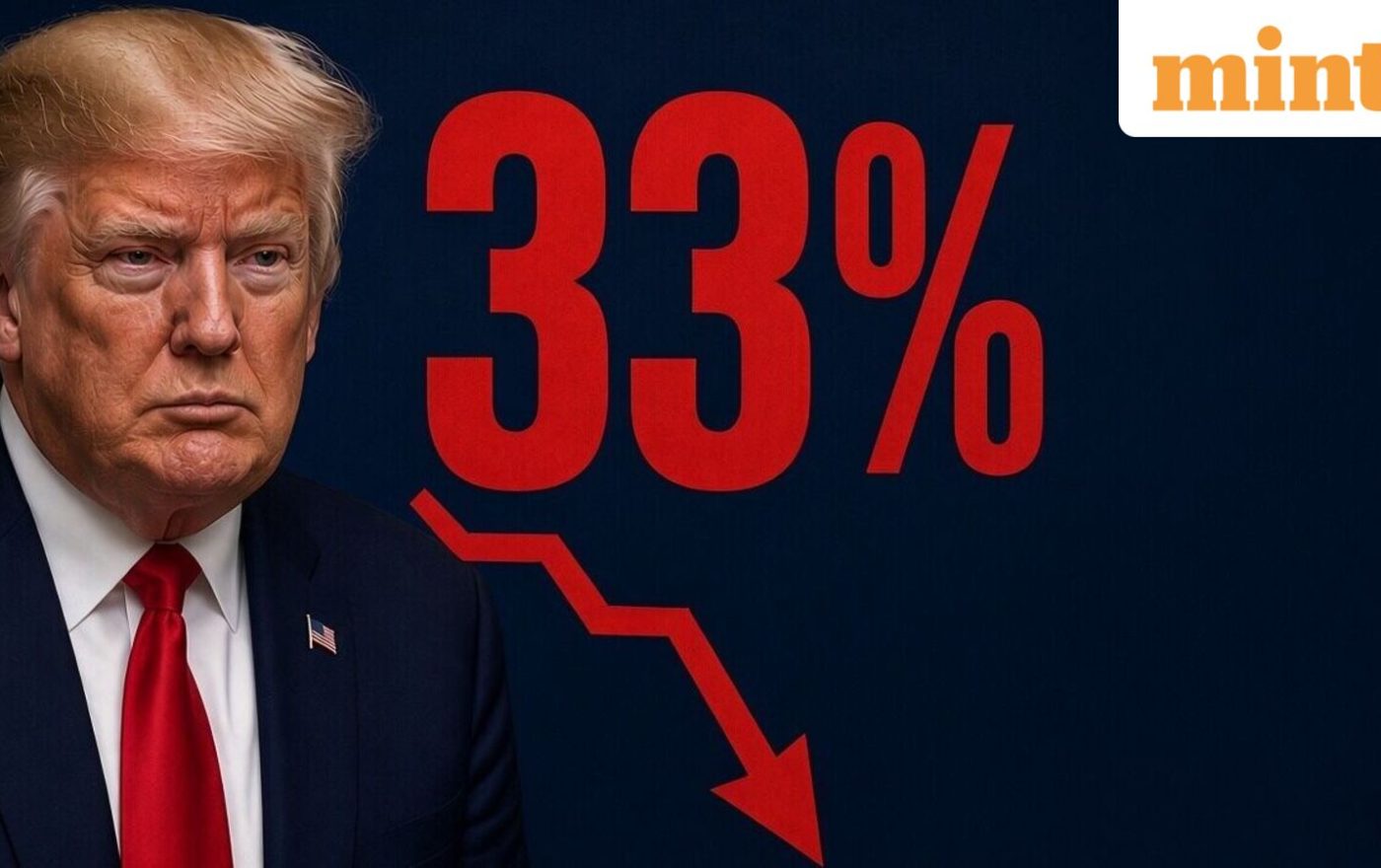
Trump’s Approval Is Just 33% as Midterms Near
Theindiapostdaily.com – Trump’s approval is just 33%, according to a Washington Post-ABC News-Ipsos survey released on October 18, creating fresh concerns for Republicans ahead of the November 3 midterm elections. The poll found that 66% of Americans disapproved of President Donald Trump’s job performance.
The approval rating was down from 37% in the survey’s April and July editions. Disapproval was also intense: 52% of respondents said they strongly disapproved of Trump’s performance as president. Among likely voters, 38% approved while 62% disapproved.
One national poll cannot predict every congressional race, but the findings point to several challenges for Republicans as voters weigh economic conditions, the Iran conflict and control of the House of Representatives.
Rising everyday costs weigh on voters
Inflation and household expenses were among the strongest sources of dissatisfaction. About three-quarters of respondents disapproved of Trump’s handling of inflation and everyday costs, while 48% said their personal finances had worsened since he returned to office in 2025.
Gasoline prices appeared especially important. In February, before the conflict with Iran began, 71% of respondents said gasoline was affordable. In the latest survey, 71% instead said it was unaffordable.
Supply-route and shipping disruptions linked to the Iran war have raised gasoline and diesel prices, adding pressure on households and businesses. Fewer than four in 10 Americans also said dining out was reasonably priced, showing how concerns extend beyond fuel.
Economic frustration also reached some of Trump’s 2024 supporters. Among that group, 31% disapproved of his handling of the economy and 38% disapproved of his approach to inflation.
Democrats lead in House preferences
Registered voters gave Democrats an eight-point advantage when asked which party they wanted to control the House. The survey also found that 58% preferred Democrats to provide oversight of Trump’s administration, compared with 39% who chose Republicans.
Democrats held a smaller advantage on economic trust as well. Forty percent of respondents said Democrats were more trustworthy on economic matters, while 33% selected Republicans.
These results do not guarantee a Democratic House victory. Turnout, district boundaries, candidate strength and local issues will shape individual contests. Still, Trump’s approval is just 33% in a poll that suggests many voters may favor stronger checks on the White House.
Iran policy adds to political pressure
The survey found broad opposition to US military action against Iran, with 65% saying it was a mistake. Another 68% disapproved of Trump’s handling of relations with US allies.
The conflict has become tied to domestic concerns because of its effect on energy prices and shipping. For Republican candidates, that creates a difficult mix of voter anxiety over military policy and everyday affordability.
Voters express wider doubts about the country’s direction
Seventy-two percent of respondents said the United States was headed in the wrong direction. The survey also found that 66% believed Trump was using the presidency for personal enrichment, while the same share described him as too extreme.
Trump’s approval is just 33%, but the broader figures may be equally troubling for Republicans: voters reported dissatisfaction with the economy, concern about the Iran war and a preference for Democratic oversight in Congress.
FAQ for US voters
What does a 33% approval rating mean?
An approval rating measures the share of respondents who say they approve of a president’s job performance. In this survey, 33% approved and 66% disapproved.
Does this poll decide the midterm elections?
No. National polling can show broad voter sentiment, but House elections are decided district by district and can be influenced by turnout, candidates and local issues.
Why are gas prices part of the political debate?
Higher fuel costs affect commuting, business expenses and household budgets. The survey showed a sharp shift in views of gasoline affordability after the conflict with Iran began.