Trump ousts election commission members in latest push to reshape voting process: ‘Not totally aligned with…’
Trump Ousts Election Commission Members to Reshape Voting Rules Theindiapostdaily.com – In a significant move, President Donald Trump has ousted election commission members to further reshape the voting process, reflecting…
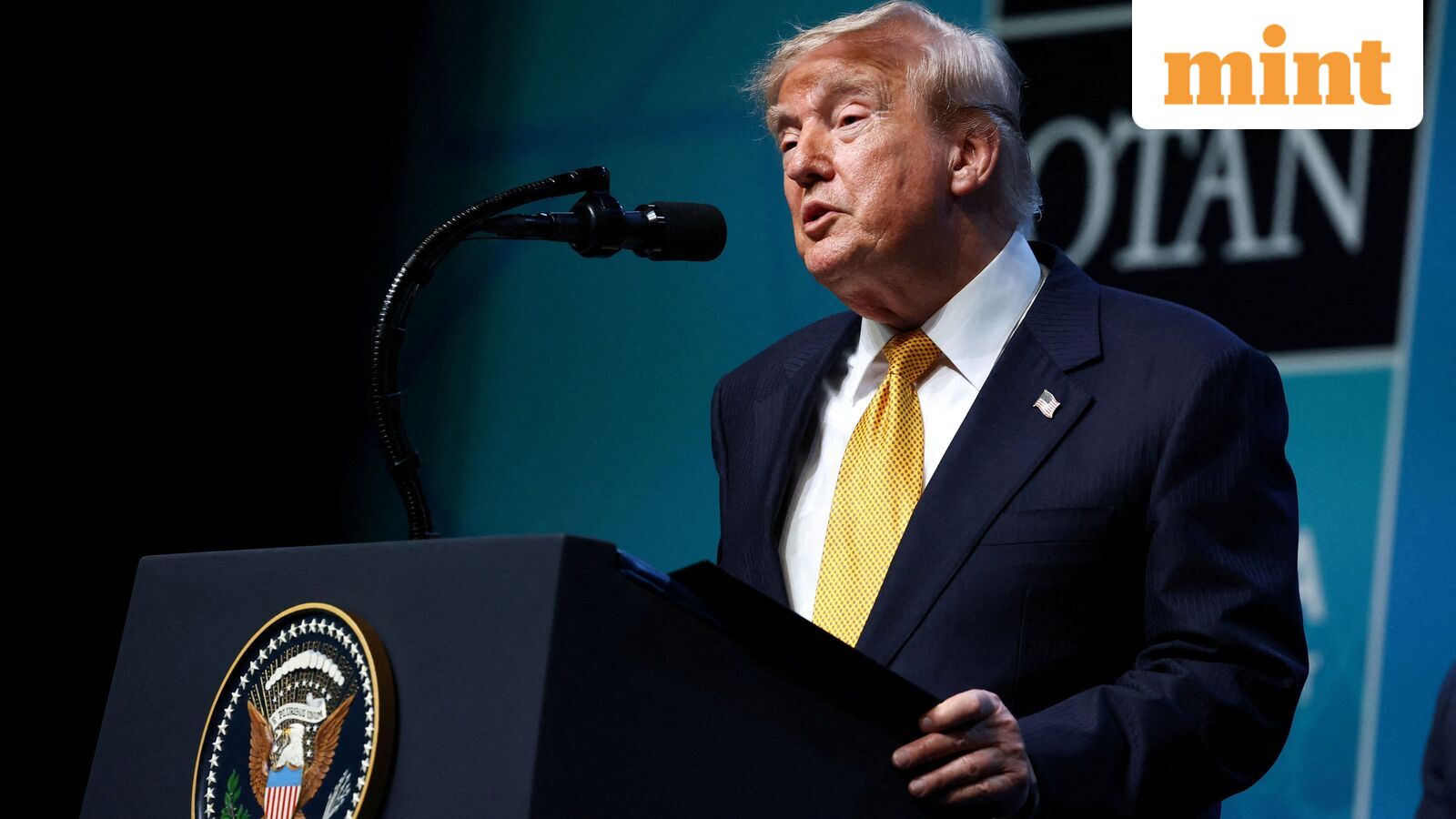
Trump Ousts Election Commission Members to Reshape Voting Rules
Theindiapostdaily.com – In a significant move, President Donald Trump has ousted election commission members to further reshape the voting process, reflecting his ongoing efforts to consolidate control over federal election procedures. The recent removals of two Democratic commissioners from the Election Assistance Commission (EAC) highlight a broader strategy to align the agency with policies that prioritize US citizenship verification for voter registration. This action, announced by the White House, follows a legal ruling that empowered the executive branch to replace officials on independent agency boards, enabling Trump to assert greater influence over election oversight.
Legal Framework and Constitutional Authority
The dismissal of EAC members aligns with the Supreme Court’s 2023 Slaughter-House decision, which expanded the president’s authority to appoint and remove officials from regulatory bodies. This legal precedent allows Trump to target individuals who oppose his vision of election security, framing the move as a necessary step to ensure accurate vote counting. By leveraging this ruling, the administration argues that the EAC’s current composition hinders its ability to enforce stringent voting standards, particularly in the context of rising concerns over election integrity.
The White House statement emphasized that the ousting of election commission members was justified by their failure to support the mandate requiring proof of US citizenship during voter registration. This directive, issued in March 2025, aimed to reduce the risk of voter fraud by ensuring only citizens could register to vote. While the EAC had previously resisted amending the form, Trump’s administration now seeks to restructure the agency to align with its objectives.
Impact on EAC’s Bipartisan Structure and Election Security
The changes to the EAC have sparked debates about the agency’s bipartisan framework, which was originally designed to balance political perspectives. With two Democratic members removed and one Republican resigning, the commission now has a more Trump-aligned majority. Critics argue that this shift could undermine the EAC’s neutrality, making it more susceptible to partisan agendas. However, the administration maintains that the revisions are essential to safeguarding election security and ensuring the accuracy of results in the 2026 midterms.
Experts warn that the ousting of election commission members may weaken the EAC’s role in certifying voting systems and allocating federal grants to state and local election offices. The agency’s bipartisan structure was a key feature of its creation under the Help America Vote Act of 2002, intended to foster collaboration between political parties. With the current changes, the EAC’s ability to serve as an impartial arbiter of electoral processes is now in question, raising concerns about the fairness of the voting system.
VoteBeat reported that the decision to remove members was based on their opposition to Trump’s executive order, which mandates citizenship verification. The process involved formal notices sent via email, signed by Morgan DeWitt Snow, the deputy director of presidential personnel. This action is part of a larger campaign to centralize election administration under the executive branch, with critics suggesting it could lead to stricter voter ID laws and reduced ballot access in key states.
While the White House has not publicly detailed the specific reasons for each dismissal, the pattern of replacing EAC members underscores a strategic effort to control the narrative around election security. The administration’s push to reshape the voting process has been met with mixed reactions, with some supporters praising the move as a bold step to protect democratic institutions, and others criticizing it as an attempt to suppress minority voters. As the EAC prepares to appoint new commissioners, the implications of Trump’s actions will likely shape the electoral landscape for years to come.