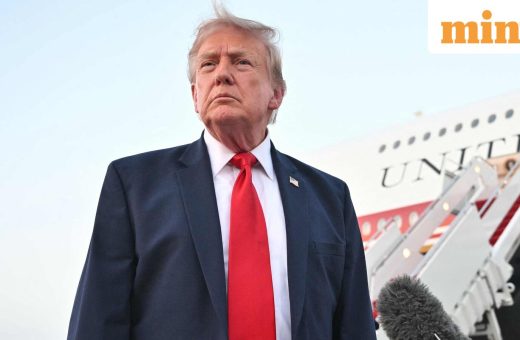
Trump claims he can get ‘problems solved real fast’ in Lebanon, but Israel’s ground offensive suggests otherwise
Trump Promises Rapid Lebanon Resolution, Israel's Ground Attack Casts Doubt Trump's Confident Assertions Trump claims he can get problems - US President
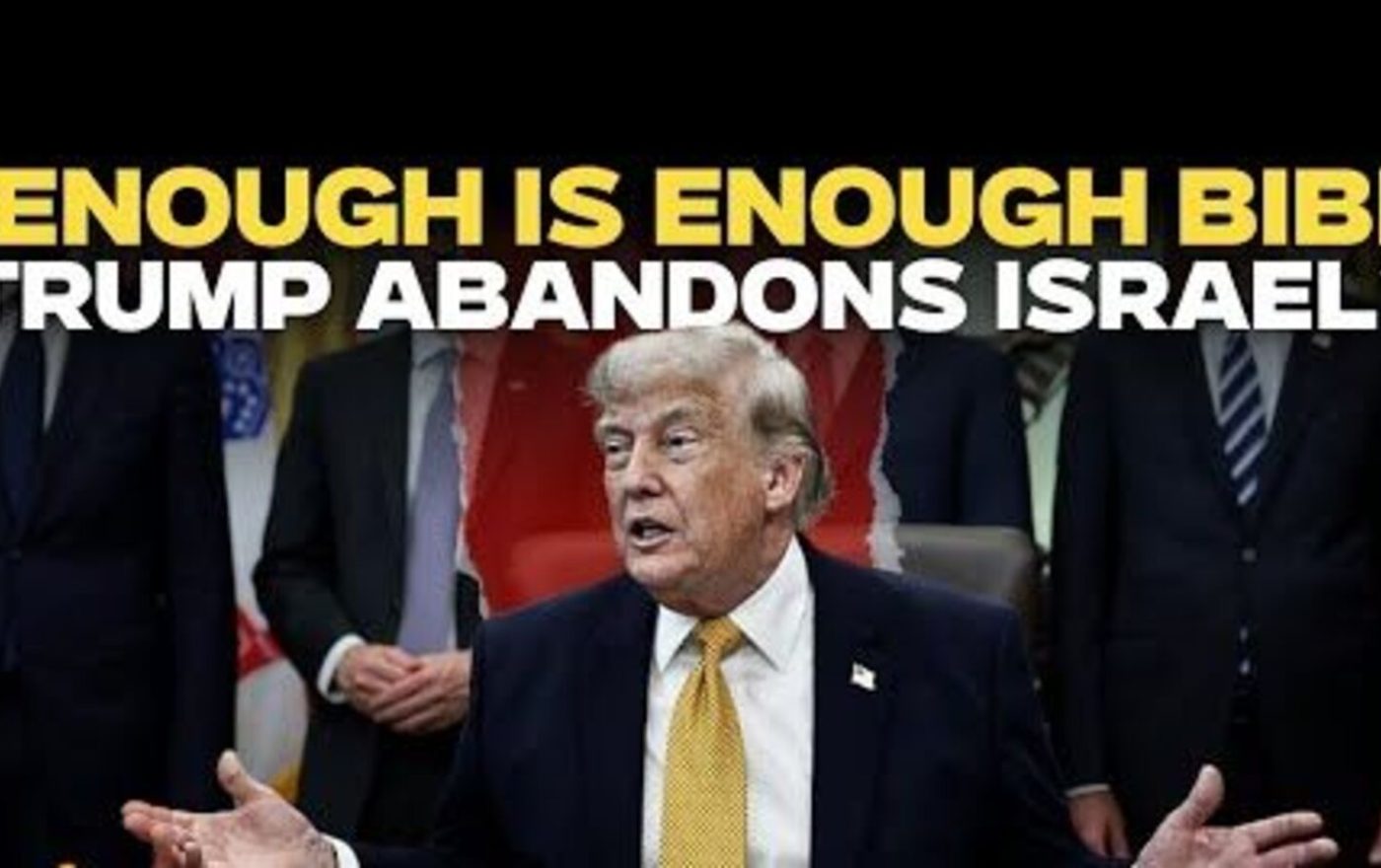
Trump Promises Rapid Lebanon Resolution, Israel’s Ground Attack Casts Doubt
Trump’s Confident Assertions
Theindiapostdaily.com – US President Donald Trump has repeatedly emphasized his ability to resolve the Lebanon crisis swiftly, claiming during a recent press briefing that he can “get problems solved real fast.” This statement comes as Israel continues its ground offensive in southern Lebanon, raising questions about the effectiveness of Trump’s diplomatic approach. With Israel and Hezbollah maintaining a fragile ceasefire, Trump’s remarks highlight his belief in a rapid resolution, even as the conflict remains complex and volatile.
“I’m not going to tell you what I’m going to do, but it gets solved. I’m a problem solver. I get problems solved real fast, including with Bibi,” Trump said, referring to Israeli Prime Minister Benjamin Netanyahu. His confidence in his ability to influence regional dynamics contrasts with the ongoing military operations, which suggest that the situation may not be as under control as he claims.
Netanyahu’s Strategic Determination
Netanyahu’s decision to keep Israeli troops stationed in southern Lebanon has drawn scrutiny, with critics questioning whether his actions align with Trump’s stated vision for a quick resolution. In a speech at the 2026 Jerusalem News Syndicate International Policy Summit, the Israeli leader reiterated his commitment to maintaining the security zone, arguing that it is vital for protecting Israeli citizens from potential threats.
“As long as I am the Prime Minister of Israel, I will not let that happen. As long as we need to protect our people, we will remain in the security zone in South Lebanon. No country would be asked to do otherwise,” Netanyahu declared. His resolve to keep troops in the region underscores a strategic divergence from Trump’s expectations, even as both leaders work to stabilize the situation.
Historical Context of US-Israel Relations
Trump’s assertion of authority over Israeli policy is rooted in his long-standing relationship with Netanyahu, which he has described as “great.” However, the current conflict has exposed tensions in their partnership. Trump’s claim that “no other President was willing to do what I did” reflects his belief in his unique role in shaping regional outcomes, a view that has both supporters and detractors within Israel and beyond.
“Yeah, I will be. They have a lot of respect for me, and they do as I say,” Trump remarked during a prior interview, showcasing his confidence in his influence. Yet, as the ground offensive persists, the phrase “Trump claims he can get problems” has become a focal point for analyzing the effectiveness of his leadership in the region.
Challenges to Trump’s Influence
While Trump insists that his presence in the region has a decisive impact, Israel’s military actions since the Iran ceasefire have highlighted its independence in strategic decision-making. Reports indicate that Netanyahu has clashed with Trump over the pace and scope of operations, with the president accusing him of lacking responsibility in the region.
“Without the US, there would be no Israel. Without me, there would be no Israel because no other President was willing to do what I did,” Trump claimed. “I have had a great relationship with Bibi. Now Bibi has to be more responsible with respect to Lebanon.” These statements reinforce Trump’s belief in his ability to get problems solved, but the ongoing conflict challenges that narrative.
Regional Dynamics and International Reactions
The Lebanon crisis has drawn international attention, with allies and adversaries alike weighing in on the effectiveness of Trump’s strategy. While the US has positioned itself as a key mediator, Israel’s continued ground operations have shifted the focus to its military capabilities and tactical choices. Critics argue that Trump’s rhetoric may not be enough to override Israeli priorities, especially as the conflict threatens to escalate further.
“Trump claims he can get problems solved real fast, but the reality on the ground tells a different story,” said a senior Middle East analyst. The phrase “Trump claims he can get problems” has become a rallying point for debates about the balance between diplomacy and military action in the region.
Implications for the Future
As the conflict unfolds, the interplay between Trump’s diplomatic claims and Israel’s military strategy will likely shape the future of US-Israel relations. The president’s insistence on a rapid resolution could either strengthen his standing as a global leader or expose the limitations of his influence in the region. Meanwhile, Netanyahu’s determination to maintain the security zone signals a commitment to protecting Israeli interests, even at the expense of a quicker political settlement.
With the situation in Lebanon remaining uncertain, the phrase “Trump claims he can get problems” continues to resonate in discussions about the president’s role in the region. Whether his promises translate into action remains to be seen, as the conflict tests the resilience of both his leadership and the stability of the fragile ceasefire.