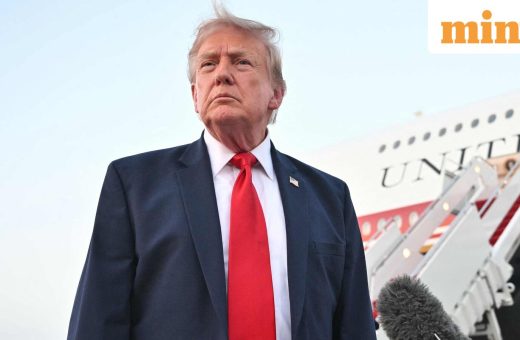
Trump cannot create federal voter list or limit mail ballot access, judge rules
Trump Can't Create Federal Voter List or Restrict Mail Ballots, Judge Rules Legal Challenge to Executive Order on Voter Access Theindiapostdaily.com – In a significant ruling, US District Judge Indira…
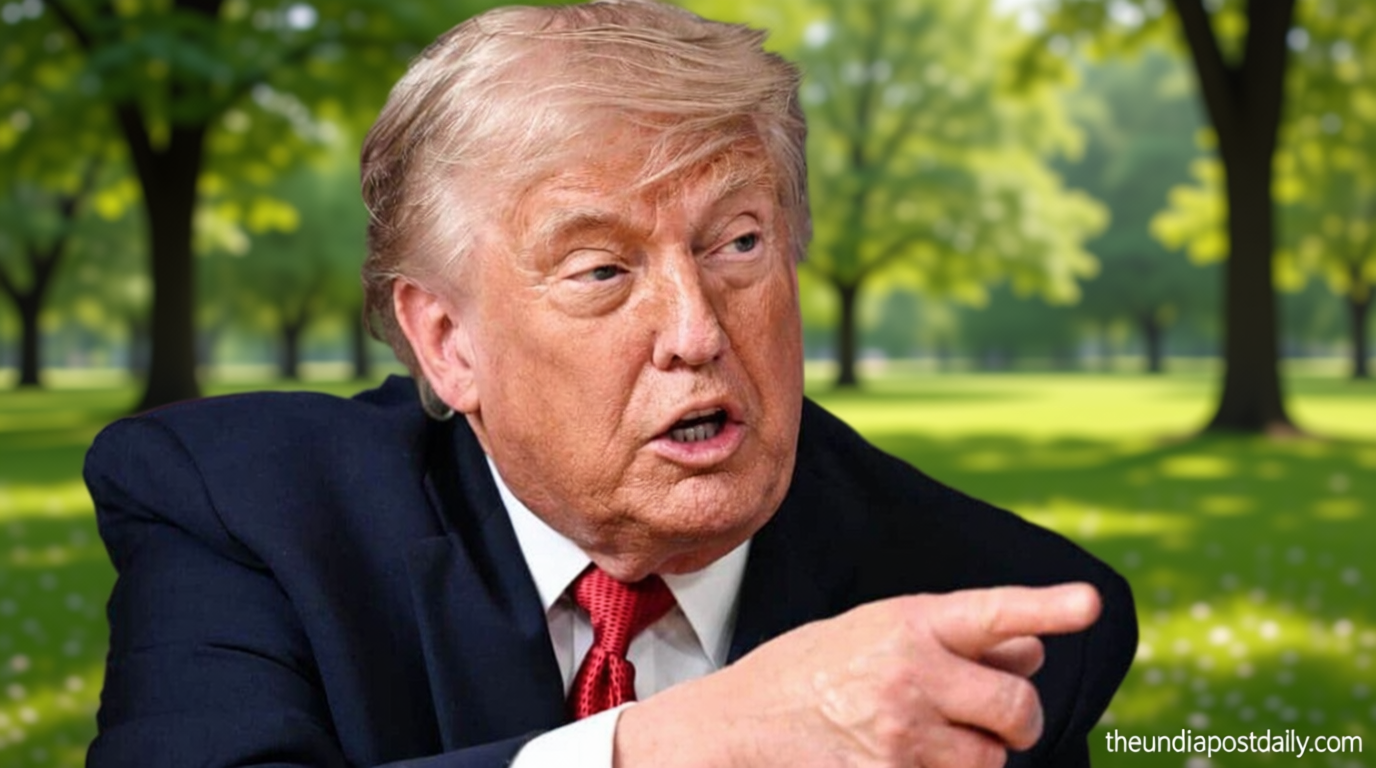
Trump Can’t Create Federal Voter List or Restrict Mail Ballots, Judge Rules
Legal Challenge to Executive Order on Voter Access
Theindiapostdaily.com – In a significant ruling, US District Judge Indira Talwani declared that President Donald Trump’s executive order attempting to establish a federal voter eligibility list and limit mail ballot access exceeds his constitutional authority. The decision underscores growing judicial scrutiny of the administration’s efforts to centralize control over election procedures, which critics argue undermines state autonomy in shaping voting processes.
Key Provisions Found Unconstitutional
The judge ruled that two core components of the executive order are invalid. First, Trump’s proposal to compile a federal database of eligible voters, drawing from agencies like the Social Security Administration and US Citizenship and Immigration Services, was deemed an unconstitutional overreach. Second, the directive linking mail ballots to this federal register and requiring the Postal Service to deliver ballots only to voters on the list was struck down. Talwani emphasized that these actions violate the separation of powers by granting the executive branch authority over functions typically reserved for Congress and state legislatures.
“The President cannot create a federal list of eligible voters,” Talwani stated in her opinion. “He cannot direct the US Postal Service to determine who may receive mail ballots. These provisions interfere with the constitutional framework that vests election rules primarily in the states and Congress.” The ruling asserts that the executive order’s provisions are “legally void,” leaving states to decide how to implement their own voting policies without federal interference.
States’ Legal Arguments and Rationale
A coalition of 22 states and the District of Columbia challenged the executive order, asserting that it encroaches on their rights to regulate elections. The legal team argued that the order imposes unnecessary burdens on election administrators and could reduce voter turnout by creating uncertainty around mail ballot eligibility. “Compliance with the order would require states to overhaul their existing systems at short notice, risking confusion and disenfranchising voters ahead of the November 2026 midterms,” one of the briefs noted.
Supporters of the order claimed it would enhance election integrity by preventing noncitizens from voting. However, the judge highlighted that the rule’s implementation would likely confuse voters and that the federal database would not address concerns about voter fraud effectively. “While the intent to combat fraud is valid, the method chosen by the President fails to respect the foundational principles of federalism in election administration,” Talwani explained.
Why the Judge Urged Immediate Action
The administration had previously argued that the order’s provisions were not yet in effect and thus premature to challenge. Judge Talwani dismissed this reasoning, noting that the 2026 midterms are fast approaching and delaying judicial review would force states into a “hasty compliance” with policies they may not fully support. “Election deadlines are critical, and waiting to assess the order’s impact would cause significant hardship for states,” she wrote.
Mail Voting and the Core of the Dispute
Mail voting has been a focal point of Trump’s campaign against election fraud, particularly following his 2020 loss. The executive order seeks to tighten this process by requiring the Postal Service to verify voter eligibility before delivering ballots. However, critics contend that this would politicize an independent agency and complicate voting for millions of Americans. “Mail voting is a vital tool for accessibility, especially in rural and underserved areas,” said a legal analyst. “Trump’s proposal could jeopardize its reliability and simplicity.”
States like Arizona, where 80% of ballots are mailed, have long relied on mail voting as a critical component of their election systems. The judge’s ruling reaffirms that such decisions should remain within state and federal legislative domains, not executive decrees. “The White House’s attempt to create a federal voter list is a clear example of using executive power to reshape the voting landscape,” noted one legal expert.
Implications for Election Reforms and Legal Appeals
This decision marks the second major judicial setback for Trump’s election reforms in recent days, following a separate ruling blocking his order for documentary proof of citizenship during voter registration. Together, these rulings signal increasing judicial resistance to the President’s use of executive authority to alter election procedures. Despite the loss, the White House has vowed to appeal the decision, arguing that the order is a legitimate exercise of presidential power.
Legal analysts suggest the ruling could have broader implications for future election policies. “By invalidating Trump’s efforts, the court has set a precedent that reinforces the limits of executive power in election management,” said a professor of constitutional law. The decision also highlights the importance of maintaining a balance between federal oversight and state autonomy in ensuring electoral fairness.