These popular potato chips just received FDA’s highest-risk recall — Here’s why
Here's Why These popular potato chips just received a Class I recall from the U.S.
Utz Potato Chips Trigger FDA’s Most Critical Recall — Here’s Why
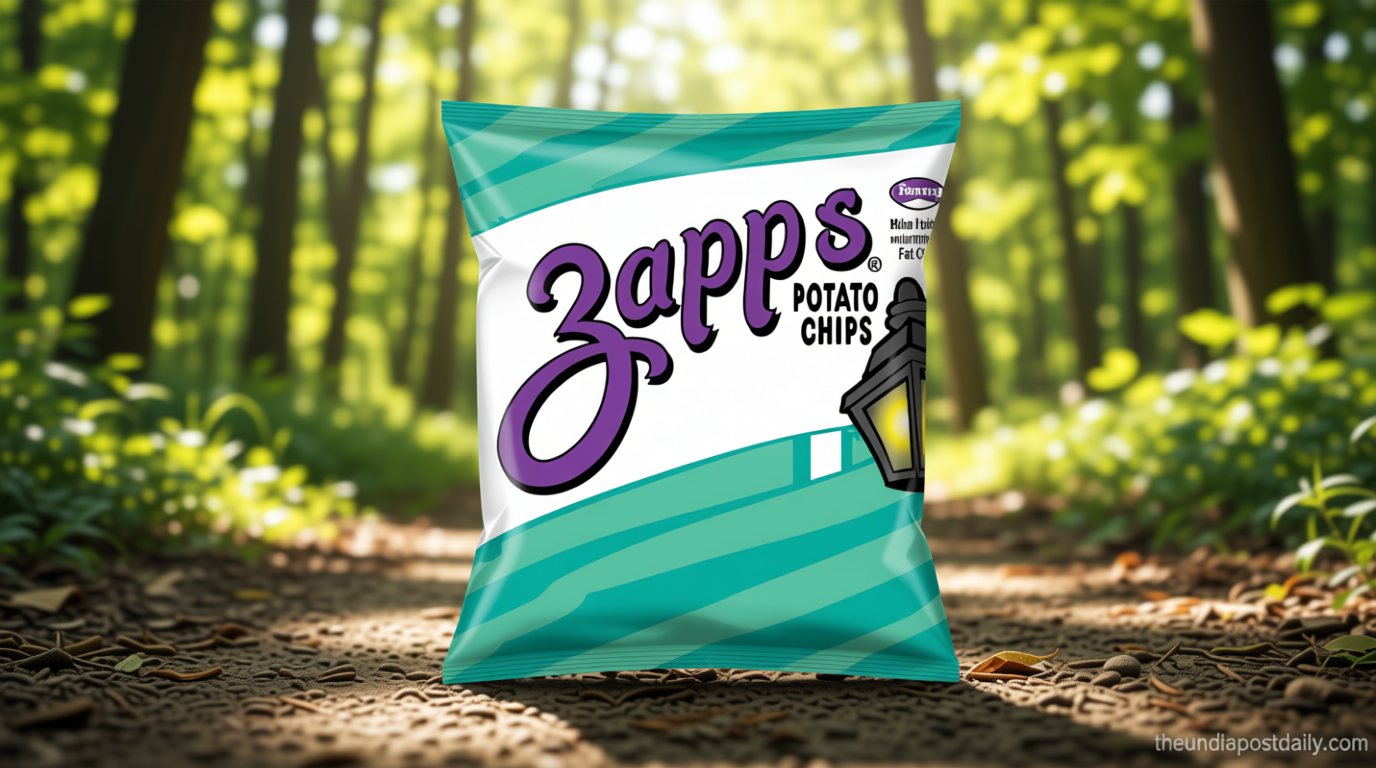
Theindiapostdaily.com – These popular potato chips just received a Class I recall from the U.S. Food and Drug Administration (FDA), the highest level of risk for food safety. The recall, initiated by Utz Quality Foods, affects Zapp’s potato chip products due to potential Salmonella contamination. This classification means there is a reasonable probability that the product will cause serious illness or death if consumed. The issue has raised concerns among consumers and health authorities, prompting swift action to remove affected items from shelves.
What Went Wrong with the Zapp’s Chips?
The problem originated from a seasoning component containing dry milk powder, which was sourced from a third-party supplier, California Dairies, Inc. While previous tests on the seasoning batches did not detect Salmonella, the company decided to recall the products after the supplier issued its own recall. This decision underscores the importance of supply chain vigilance and how a single ingredient can compromise an entire product line. No illnesses or complaints have been directly linked to the recalled chips so far, but the FDA emphasizes the need for immediate action to prevent potential outbreaks.
The affected Zapp’s Bayou Blackened Ranch Kettle Chips were sold in 1.5-ounce bags with best-by dates ranging from July 27 to August 31, 2026. The recall spans 35 states, including major markets such as California, Texas, Florida, and New York. Utz has since updated its recall notice, listing additional products that may also be impacted. Consumers are urged to check the batch codes and expiration dates before consuming these items, as the contamination could spread beyond the initial batch.
Class I Recalls and Their Implications
A Class I recall is the most severe category under the FDA’s system, indicating that a product might cause serious harm or even fatalities. Salmonella, the bacterium at the center of this recall, is a common cause of foodborne illness and can lead to symptoms like fever, bloody diarrhea, and dehydration. In vulnerable populations, such as young children, the elderly, and individuals with weakened immune systems, the infection can escalate to life-threatening complications.
The FDA’s enforcement report highlights that Class I recalls are typically triggered when there is evidence that the product is not safe under normal conditions of use. In this case, the risk arises from the possibility that the seasoning component, even if not definitively contaminated, could have introduced Salmonella into the final product. The agency works closely with companies to ensure rapid removal of hazardous items from the market and to provide clear guidance to consumers about how to identify and report affected products.
Salmonella outbreaks linked to potato chips are not unheard of. For instance, a 2022 recall of a popular brand involved similar concerns about contamination in seasoning mixtures. This incident reinforces the need for ongoing monitoring of ingredients and production processes. Utz’s proactive approach in initiating the recall demonstrates the company’s commitment to consumer safety, though it also serves as a reminder of the potential risks associated with food manufacturing.
Recalled Products and Consumer Guidance
The recall specifically targets Zapp’s Bayou Blackened Ranch Kettle Chips, but it also includes several other varieties, such as Zapp’s Salt & Vinegar and Big Cheezy Potato Chips. Additionally, products like Dirty Salt & Vinegar, Maui Onion, and Sour Cream & Onion were also listed. All affected items are identified by specific batch codes and expiration dates, which consumers should check to determine if their chips are part of the recall.
Consumers are advised to stop eating the recalled products immediately. Those who have purchased the chips should either discard them or contact Utz Quality Foods’ customer service for a refund. Retailers have been instructed to remove the affected products from store shelves and display cases to prevent further distribution. The FDA is collaborating with Utz to ensure all potentially contaminated batches are recalled and replaced promptly.
The recall also serves as an opportunity for brands to communicate transparency with their customers. Utz has provided detailed information about the affected products, including packaging specifics and the steps consumers should take. This level of detail helps in building trust and ensures that the public is well-informed about the risks and necessary precautions. It also aligns with the FDA’s goal of minimizing health risks through clear and actionable guidance.
Impact on Public Health and Industry Standards
This recall highlights the critical role of the FDA in safeguarding public health by identifying and addressing potential hazards in food products. While the immediate risk of Salmonella contamination in the Zapp’s chips is still under investigation, the classification of this as a Class I recall indicates the severity of the potential threat. Health experts warn that even a single contaminated batch can lead to widespread illness if not acted upon swiftly.
The incident also sheds light on the importance of third-party suppliers in food safety. California Dairies, Inc. was a key player in the supply chain, and its own recall may have prompted Utz to take preemptive action. This underscores the need for rigorous quality checks at every stage of production and distribution. Companies are encouraged to maintain transparent communication and implement robust recall procedures to mitigate risks and protect their consumers.
Consumers who are unsure whether their chips are affected are advised to check the packaging for the specific batch codes mentioned in the FDA’s report. This step-by-step approach ensures that individuals can quickly identify at-risk products and take appropriate measures. The recall is a reminder of the delicate balance between convenience and safety in the food industry, and how even minor issues can escalate into major public health concerns.