Strait of Malacca in the spotlight amid Hormuz tensions: Why it is crucial to global shipping
As tensions in the Strait of Hormuz escalate, the Malacca Strait has
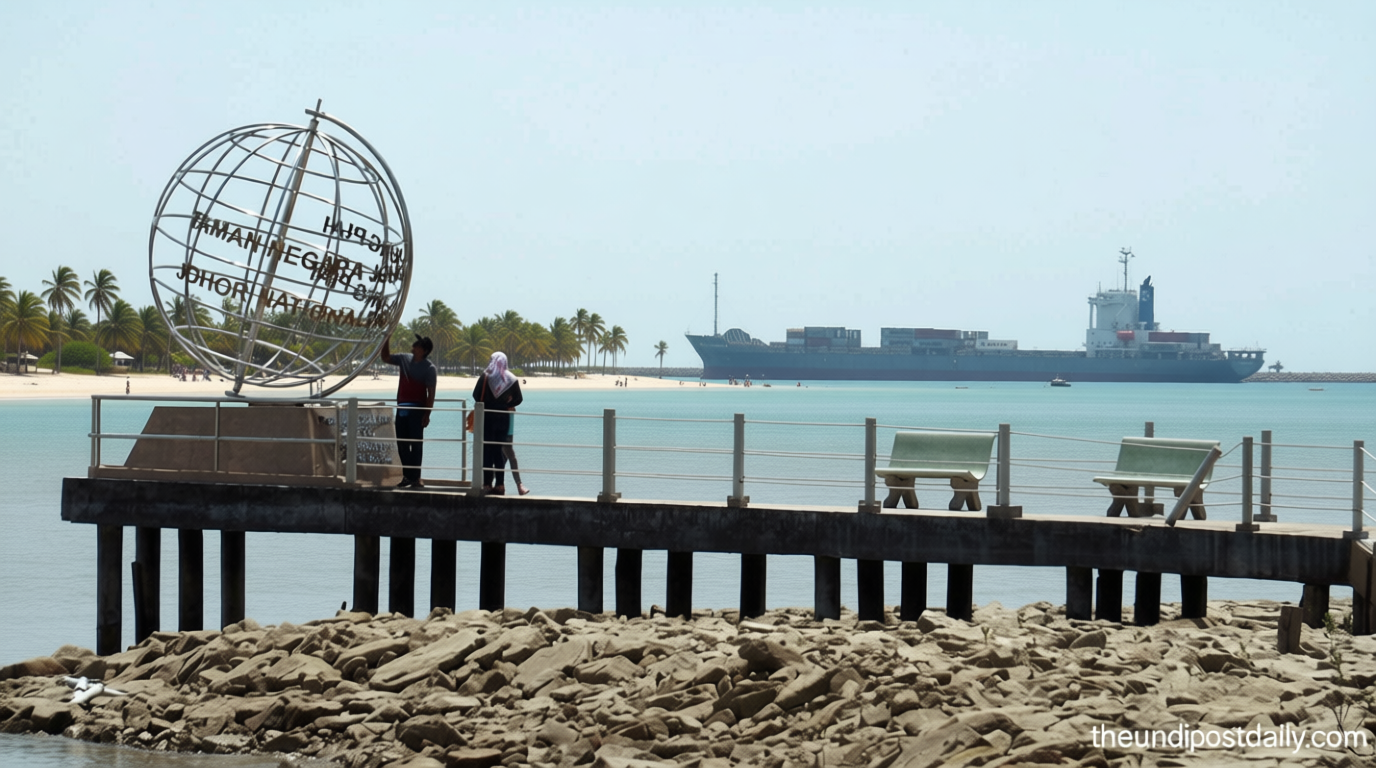
Strait of Malacca in the Spotlight Amid Hormuz Tensions
Theindiapostdaily.com – As tensions in the Strait of Hormuz escalate, the Malacca Strait has emerged as a focal point for global shipping. This narrow waterway, strategically located between Malaysia and Indonesia, serves as a critical link between the Indian and Pacific Oceans, with over 20% of the world’s seaborne trade passing through it. Its importance has grown even more pronounced as ships reroute to bypass the Middle East, drawing attention to the strait’s role in sustaining international supply chains and economic stability.
Shifting Traffic Patterns and Operational Pressures
Recent disruptions in the Strait of Hormuz have created a ripple effect, intensifying activity in the Malacca Strait. Industry analysts from thesun.my highlight that the increased flow of vessels has led to heightened congestion at Malaysian ports. While these facilities have managed to accommodate the surge, the situation underscores the need for improved logistics and infrastructure to maintain efficiency. Mohamed Safwan Othman, president of the Malaysia Shipowners’ Association, has emphasized the challenges faced by port operators due to the rerouting of ships.
“The Malacca Strait is now bearing the brunt of regional tensions, as vessels seek alternative routes to avoid delays in Hormuz. This has created new bottlenecks, requiring coordinated efforts to ensure smooth operations,” Safwan noted.
Analysts warn that prolonged disruptions in Hormuz could lead to long-term strain on the Malacca Strait, particularly in the wake of the Red Sea crisis. Safwan stressed that the strait’s capacity to handle such volume is a testament to its resilience, but the ongoing pressure highlights the need for proactive measures to prevent future bottlenecks.
Economic and Strategic Significance
The Malacca Strait’s strategic position is a cornerstone of Asian trade networks. Over $7 trillion in annual commerce traverses this vital corridor, connecting major economies such as China, Japan, and South Korea with markets in India, Africa, and Europe. Its role as a maritime gateway ensures that goods move efficiently between the world’s fastest-growing economies and key global trade hubs.
Key ports like Port Klang and Tanjung Pelepas are integral to this system, handling a significant portion of containerized cargo. Safwan pointed out that collaboration among Malaysia, Indonesia, and Singapore is essential to maintaining the strait’s functionality. This includes joint efforts to enhance safety protocols, protect the environment, and respond swiftly to emergencies such as oil spills or vessel collisions.
Experts caution that any prolonged instability in the Hormuz region could threaten the Malacca Strait’s ability to serve as a reliable shipping route. The strait’s strategic importance extends beyond its immediate geography, making it a linchpin for global energy and trade flows. Its continued operation is vital to avoiding cascading impacts on international commerce.
Malacca as a Secondary Chokepoint
According to Mohammad Khairuddin Othman, a research fellow at the Universiti Utara Malaysia Asian Institute of International Affairs and Diplomacy, the Malacca Strait is not merely an alternative to Hormuz but a secondary chokepoint in the region’s trade and energy networks. While Hormuz remains the primary route for Gulf oil and liquefied natural gas (LNG), the Malacca Strait handles a substantial share of these shipments as they head toward East Asian markets.
“The Malacca Strait functions as Asia’s second major bottleneck, with a significant portion of oil and LNG from the Gulf continuing through it. This makes it a critical link in global supply chains, especially as Hormuz remains a high-risk area for shipping,” Khairuddin explained.
Khairuddin added that the strait’s dual role as both a trade artery and a transport hub means it must be managed with the same level of urgency as Hormuz. Proactive planning and technological advancements are key to mitigating risks and ensuring the strait’s continued efficiency. As global demand for energy and goods grows, its strategic importance is only set to increase.
Security and Technological Adaptations
Despite its critical role, the Malacca Strait still faces security threats, including illegal transfers, piracy, and smuggling. Khairuddin urged Malaysia to invest in advanced surveillance technologies to strengthen its monitoring capabilities. Systems like the Automatic Identification System (AIS), coastal radars, and maritime drones could play a pivotal role in detecting and preventing incidents that disrupt traffic.
Collaboration with neighboring countries, such as Indonesia and Singapore, is also vital. By integrating real-time data sharing and joint maritime patrols, the region can enhance its ability to respond to security challenges and maintain the flow of goods. These measures are essential to ensuring the Malacca Strait remains a reliable and secure passage for global shipping.
With the strait’s volume of traffic expected to rise, technological innovations and regional cooperation will be critical in safeguarding its function. As the focus keyword “Strait of Malacca in the spotlight” becomes more prominent, the need for resilience and adaptability in this vital waterway grows stronger.