Right to sell oil, $300 bn fund, access to frozen assets: Key financial gains Iran will receive from peace deal
Iran's Financial Gains from US Peace Deal: Oil Rights, $300 Billion Fund, and Frozen Assets Access Right to sell oil 300 bn fund - The United States and Iran
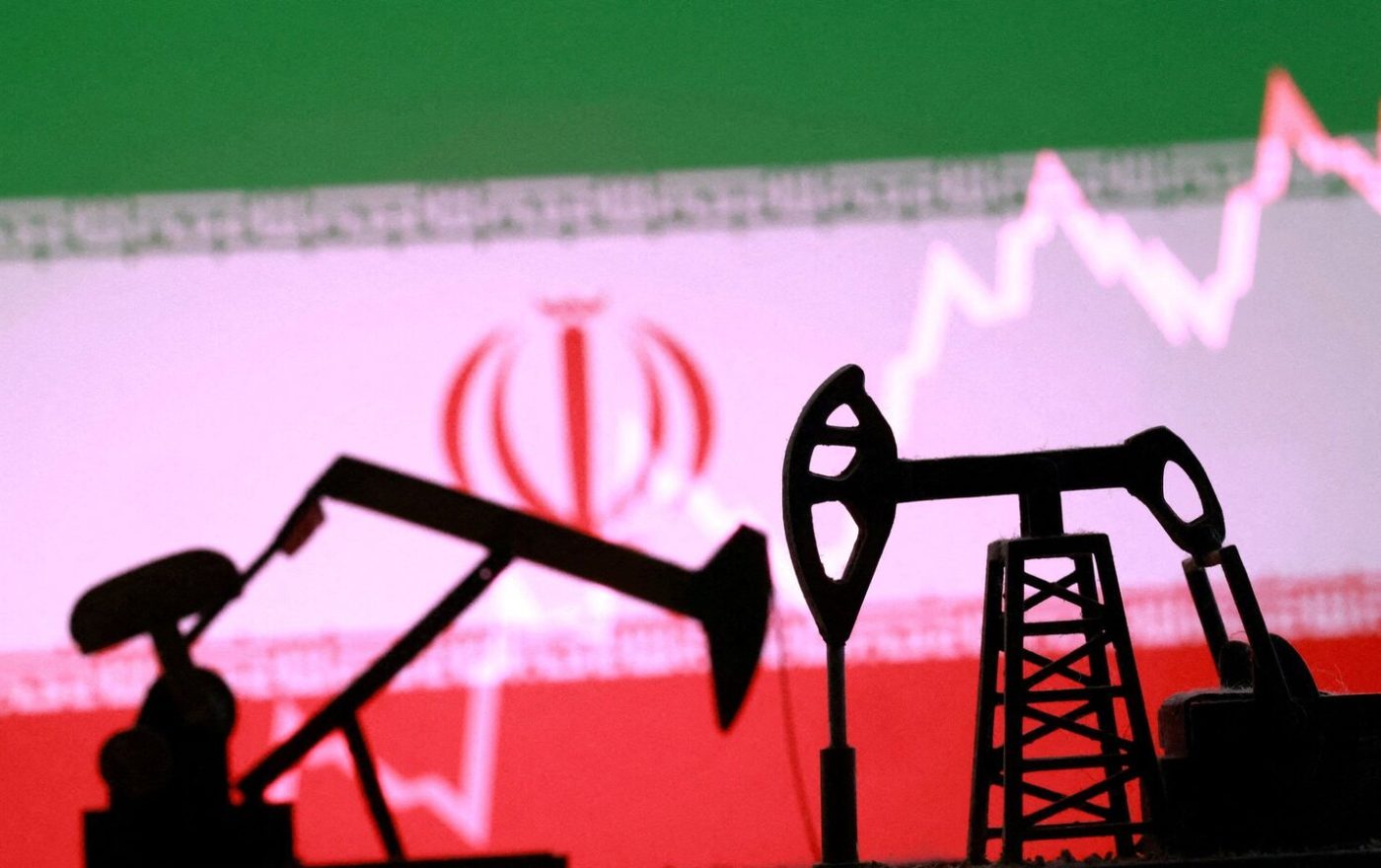
Iran’s Financial Gains from US Peace Deal: Oil Rights, $300 Billion Fund, and Frozen Assets Access
Theindiapostdaily.com – The United States and Iran are set to finalize a landmark peace agreement in Switzerland, offering Tehran substantial economic rewards. Central to this deal are the right to sell oil, a $300 billion development fund, and access to frozen assets—key elements that could reshape Iran’s financial landscape. While details remain under negotiation, the pact aims to restore Iran’s oil exports to prewar levels and provide a framework for long-term economic relief. The right to sell oil, a critical component, is expected to unlock billions in revenue, allowing Iran to stabilize its economy after years of sanctions. This agreement also includes the release of a $300 billion fund, designed to support Iran’s infrastructure and energy projects, as well as the potential for access to frozen assets held by the US and European nations.
Restoring Oil Exports and Economic Stability
One of the most anticipated outcomes of the peace deal is Iran’s return to unrestricted oil sales. The agreement envisions the resumption of exports within 30 days, reversing the impact of the US naval blockade that disrupted global energy markets. With the right to sell oil restored, Iran’s oil industry—which has been a cornerstone of its economy—could generate significant income. Analysts estimate that the removal of export restrictions could boost Iran’s oil revenue by over $15 billion annually, providing much-needed funds for domestic investment and debt reduction. The $300 billion fund, meanwhile, will be allocated to sectors such as transportation, agriculture, and energy, addressing critical infrastructure gaps and promoting economic growth.
“The restoration of oil exports and the $300 billion fund are pivotal to Iran’s economic recovery, offering immediate relief and long-term opportunities.”
The deal also includes provisions for the gradual lifting of sanctions, which have severely limited Iran’s access to global financial systems. By securing the right to sell oil, Iran can re-enter international trade, strengthening its position in the global energy market. This move is expected to stabilize its currency and reduce inflation, which has been a major challenge in recent years. The $300 billion fund will be managed through a combination of US Treasury support and contributions from allied nations, ensuring transparency and accountability in its use. Additionally, the agreement outlines a phased approach to accessing frozen assets, which could provide Iran with further financial flexibility.
Unlocking Frozen Assets and Strengthening Trade Relations
Access to frozen assets is another major benefit of the peace deal. These assets, estimated to be worth over $1 trillion, have been held by the US and EU since 2018 due to Iran’s nuclear program and regional activities. The agreement pledges to release these funds as part of the broader economic incentives, with Washington committing to “fully restore access to frozen assets” without a fixed timeline. This provision could unlock liquidity for Iran, allowing it to repay international debts and invest in critical sectors. The right to sell oil, combined with frozen asset access, is projected to generate an estimated $300 billion in financial gains over the next decade, according to economic forecasts.
“By granting Iran access to frozen assets, the peace deal could provide a lifeline for its economy, enabling it to fund energy projects and infrastructure development.”
The $300 billion fund will be used to address immediate economic needs, such as energy sector modernization and the development of renewable resources. This financial support is crucial for Iran, which has faced economic hardship due to sanctions and internal challenges. The fund’s allocation will be monitored by an independent panel to ensure its effective use. Meanwhile, the right to sell oil will be paired with a commitment to increase production capacity, allowing Iran to meet global demand and secure long-term contracts. These measures are expected to bolster Iran’s trade relations with major energy consumers, including China and India, which have shown interest in continuing oil purchases despite US restrictions.
The peace deal also includes a temporary suspension of secondary sanctions on Iranian banks and businesses, enabling them to engage in international financial transactions. This reprieve will facilitate access to capital markets and attract foreign investment. The combined impact of the right to sell oil, the $300 billion fund, and frozen asset access is anticipated to stimulate Iran’s economy, create jobs, and reduce its reliance on oil revenues. However, the success of these financial gains will depend on Iran’s adherence to the terms of the agreement, particularly its commitment to limiting nuclear development and regional influence.
Broader Implications for Global Markets and Diplomacy
The peace deal’s financial components have significant implications beyond Iran’s borders. The restoration of oil exports is expected to stabilize global energy prices, which have fluctuated due to geopolitical tensions. With Iran’s oil supply returning to prewar levels, the market may see a reduction in volatility, benefiting both producers and consumers. The $300 billion fund will also support energy sector reforms, such as the development of shale oil and gas projects, which could enhance Iran’s energy independence. Additionally, the release of frozen assets is likely to strengthen Iran’s ties with European allies, who have been critical of US sanctions and may now play a more active role in the deal’s implementation.
“The $300 billion fund and access to frozen assets are not just financial lifelines for Iran but also tools to strengthen its geopolitical standing.”
As negotiations progress, the deal’s long-term viability will be tested. The right to sell oil, $300 billion fund, and frozen asset access are part of a broader strategy to rebuild Iran’s economy and integrate it into global trade. The agreement also includes a 60-day period for finalizing the terms, during which technical details and conditions will be clarified. This window will allow for adjustments to the financial structure, ensuring that the benefits are sustainable and aligned with international interests. The success of the peace deal will depend on Iran’s ability to balance economic recovery with its strategic goals, while the US seeks to secure a stable and cooperative regional partner.