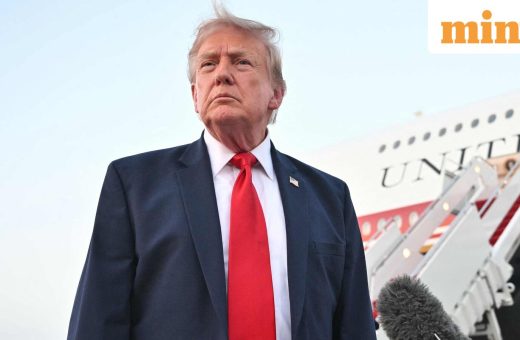
Republicans reportedly weigh stopgap funding plan to avert Government shutdown before midterm elections
Republicans Consider Stopgap Funding to Avoid Shutdown Before Midterms Theindiapostdaily.com – Republican leaders are reportedly evaluating a temporary funding strategy to prevent a potential government shutdown ahead of the November…
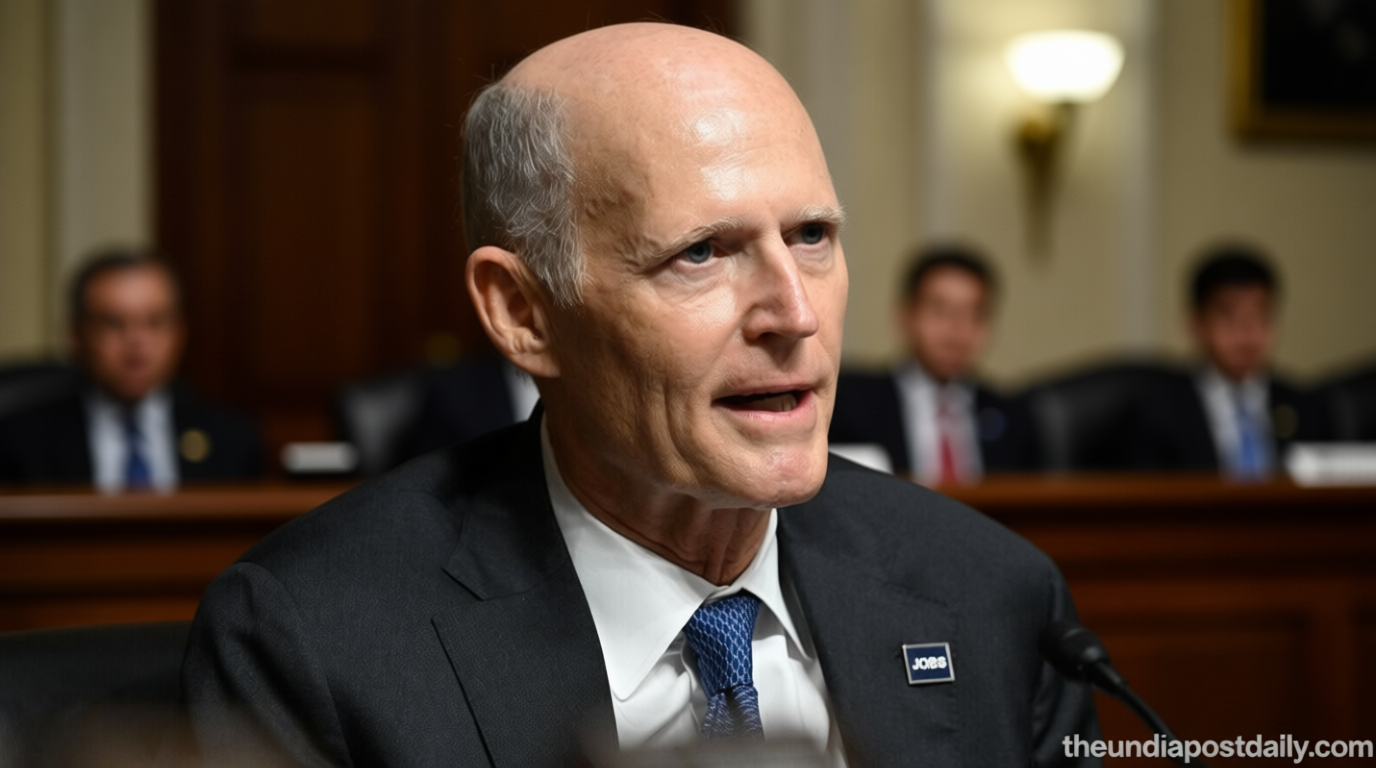
Republicans Consider Stopgap Funding to Avoid Shutdown Before Midterms
Theindiapostdaily.com – Republican leaders are reportedly evaluating a temporary funding strategy to prevent a potential government shutdown ahead of the November midterm elections, according to reports from The Hill. Senate Majority Leader Rick Scott has emerged as a key advocate for a stopgap funding plan that would sustain current federal spending levels until the end of the fiscal year, ensuring uninterrupted operations for agencies and services. This move is seen as a critical effort to avoid the political and economic fallout of a government shutdown, which could disrupt essential programs and damage the party’s standing in the upcoming races.
The stopgap funding plan comes as Senate Republicans prepare to meet with President Donald Trump to discuss legislative priorities for the remainder of the year. Scott emphasized the urgency of securing a short-term funding solution, stating that the party must unify behind a strategy to avert a shutdown. This decision is driven by the concern that without a compromise, Democrats are likely to resist passing all twelve annual appropriations bills before the fiscal year concludes, potentially triggering a funding crisis in late October.
Key Concerns and Strategic Priorities
Republican lawmakers are also focused on addressing broader fiscal and political challenges that could arise from a shutdown. Scott’s proposal is part of a larger effort to contrast Republican and Democratic approaches to government spending, with the aim of framing the party’s agenda as one of fiscal responsibility and stability. The plan is expected to highlight the administration’s desire to maintain funding for programs like healthcare, education, and defense, while avoiding contentious debates over new spending measures.
“The stopgap funding plan is not just about avoiding a shutdown—it’s about reinforcing our commitment to stable government operations and showcasing our vision for the future,”
Scott’s advocacy for this strategy underscores the GOP’s strategy of leveraging midterms as an opportunity to demonstrate their ability to govern effectively. By prioritizing short-term funding, Republicans hope to sidestep the partisan gridlock that has plagued congressional negotiations in recent months, while also addressing concerns about the impact of a shutdown on vulnerable communities and federal employees.
Political Implications and Voter Impact
Senator Rick Scott’s push for the stopgap funding plan is closely tied to the Republicans’ efforts to secure election security as a central issue in the midterm campaigns. The Safeguard American Voter Eligibility (SAVE America) Act, which requires documented proof of U.S. citizenship for voter registration, has been a recurring theme in party discussions. Scott argued that the funding plan is a necessary complement to these efforts, ensuring that the government remains functional as the party emphasizes its commitment to preventing voter fraud.
“We need to ensure the government is running smoothly so we can focus on the issues that matter most to voters,”
Lawmakers have also raised concerns about the potential consequences of a shutdown for federal workers. With over 2 million employees at risk of being furloughed or working without pay, the plan aims to shield these individuals from the fallout. Scott stressed that the funding solution would not only protect jobs but also maintain public trust in the government’s ability to function during critical periods, such as the run-up to elections.
As the deadline for appropriations bills approaches, the focus on stopgap funding reflects a strategic shift by Republicans to prioritize stability over ideological battles. The plan is expected to gain traction among party members, who are wary of allowing a shutdown to overshadow their campaign messaging. With the midterm elections less than two months away, the urgency to resolve funding disputes has intensified, as leaders seek to present a cohesive front to voters.
Republican leaders have also highlighted the importance of bipartisanship in passing the stopgap funding plan, noting that moderate Democrats may support the measure to avoid a prolonged government closure. However, the proposal faces challenges from progressive factions within the party, who argue that it could be seen as a compromise that allows for continued spending without significant cuts. Despite these internal debates, the focus remains on securing a temporary solution to prevent a shutdown that could derail the party’s electoral prospects.