Quote of the day by Socrates on self-discovery: ‘To find yourself, think for yourself’
To find yourself, think for yourself —a phrase often linked to the Greek
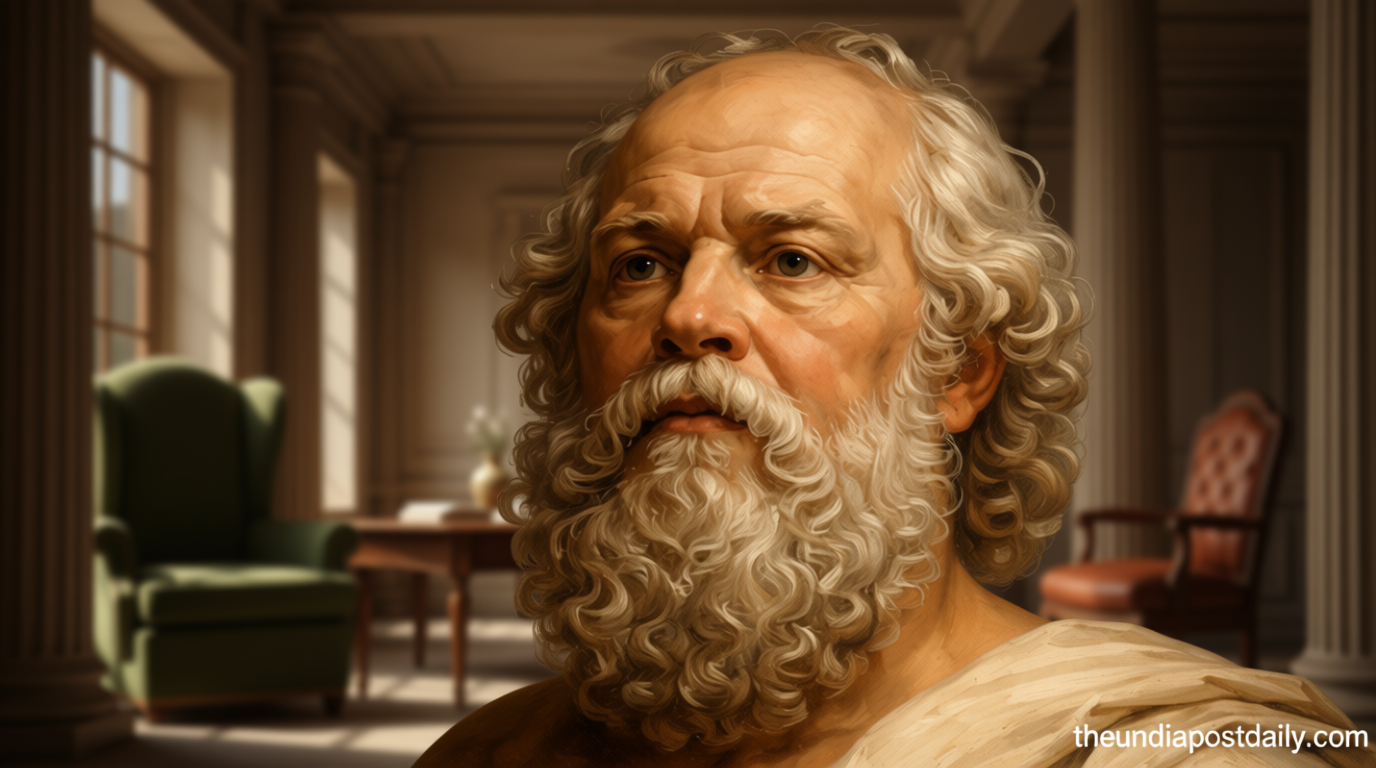
A Timeless Reflection from Socrates on Self-Discovery
Theindiapostdaily.com –
To find yourself, think for yourself
—a phrase often linked to the Greek philosopher Socrates. Though this exact wording isn’t found in his recorded dialogues, it encapsulates his enduring philosophy of personal inquiry and intellectual autonomy.
Socrates, who lived between 470 and 399 BCE, is celebrated as the father of Western philosophy. His teachings, preserved through the writings of his student Plato, emphasize the pursuit of truth and the examination of beliefs. This saying reflects his belief that genuine insight arises from questioning assumptions rather than accepting them at face value.
The Essence of Self-Reflection
At its core, the quote underscores the importance of critical thinking. In a world where opinions are shaped by external forces—social media, peer influence, and cultural norms—Socrates urged individuals to look inward. He argued that wisdom begins when one evaluates their own convictions, rather than passively adopting those of others.
Understanding one’s values and identity isn’t something that can be given; it must be cultivated. This process involves introspection, challenging preconceived notions, and making choices rooted in personal reasoning. Socrates believed that true self-awareness emerges through deliberate questioning and thoughtful analysis.
Why the Quote Stands the Test of Time
Modern society’s reliance on external validation makes this message especially resonant. With constant exposure to persuasive messaging, many struggle to separate their own beliefs from those imposed by authority or tradition. Socrates’ call to independent thought serves as a reminder that authenticity stems from self-exploration.
Thinking critically fosters confidence in decision-making and promotes intellectual freedom. It enables individuals to navigate complex challenges with clarity and creativity. Whether in education, leadership, or personal growth, the quote remains a guiding principle for those seeking to lead with purpose.
Living the Philosophy
Applying Socrates’ wisdom requires intentional habits. Consider these steps: – Challenge assumptions before accepting them as truth. – Seek out varied viewpoints to broaden understanding. – Use journaling or self-assessment to track inner reflections. – Align actions with core values instead of chasing approval. – Evaluate experiences to identify what holds lasting significance. – Practice analysis to sharpen reasoning skills. – Embrace disagreement when it aligns with your conclusions.
Socrates: The Philosopher Who Shaped Thought
Socrates was born in Athens, Greece, to Sophroniscus, a stonemason, and Phanerite, a midwife. While his formal education remains unclear, he likely absorbed knowledge through observation and dialogue. He married Xanthippe, whose role in his life is documented in ancient texts, and they had three sons.
Unlike contemporaries who wrote treatises, Socrates focused on engaging others in discussions about justice, virtue, and knowledge. His method, the Socratic Method, remains a cornerstone of philosophical and educational practices today. Through Plato’s works, such as the Apology and Phaedo, his ideas continue to inspire thinkers across disciplines.