Quote of the day by Malcolm X: ‘The media’s the most powerful entity on earth. They have the power to make the…’
In today’s digital age, the phrase “Quote of the day by Malcolm X” remains a powerful reminder of
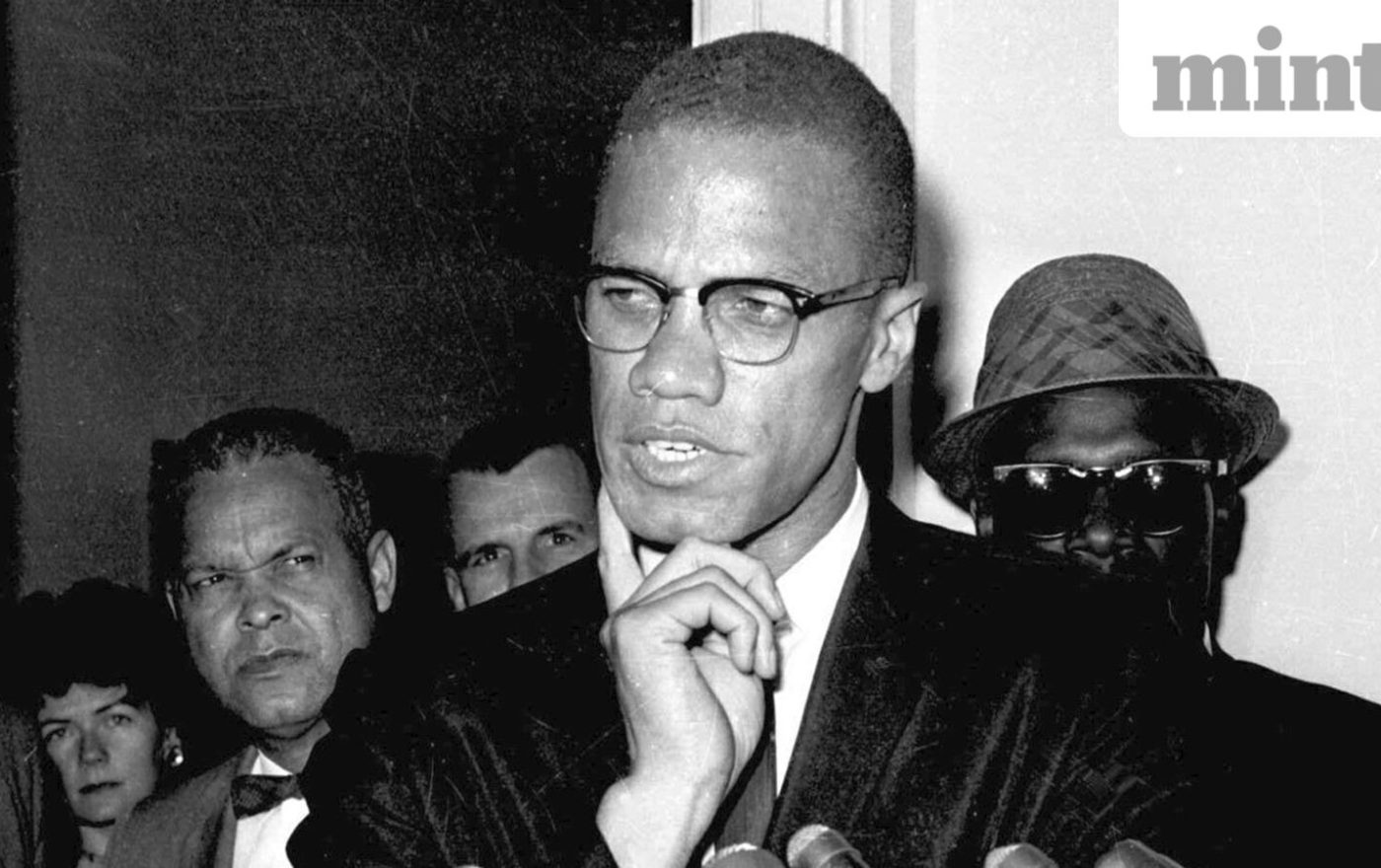
Malcolm X’s Insight on Media Power
Quote of the day by Malcolm – In today’s digital age, the phrase “Quote of the day by Malcolm X” remains a powerful reminder of media’s unparalleled influence on society. The iconic civil rights leader once declared, “The media’s the most powerful entity on earth. They have the power to make the innocent guilty and to make the guilty innocent.” This statement, though over half a century old, continues to resonate as a vital critique of how news outlets shape public perception. As we navigate an era of information overload, understanding this quote’s relevance is essential for recognizing the role of media in molding reality and steering societal discourse.
The Media’s Role in Shaping Narratives
“The media’s the most powerful entity on earth. They have the power to make the innocent guilty and to make the guilty innocent, and that’s power. Because they control the minds of the masses.”
This warning, delivered in the context of 1960s America, highlights the media’s ability to sway opinions through selective storytelling. At the time, television and print were the primary channels for disseminating information, but their power was no less profound than today’s social media platforms. Malcolm X’s emphasis on the media’s control over collective consciousness underscores how even the most factual news can be manipulated to serve specific agendas, a phenomenon that persists in modern times.
The media’s influence extends beyond mere reporting; it dictates what issues are prioritized, how they are framed, and how audiences interpret them. For instance, during moments of crisis, headlines often focus on sensational aspects while sidelining nuanced details. This selective coverage can create a distorted public understanding, reinforcing stereotypes or amplifying certain viewpoints. Malcolm X’s assertion remains a timeless critique of this dynamic, urging individuals to remain vigilant against media bias and to seek truth beyond surface-level narratives.
Relevance in the Modern Media Landscape
Today, the reach of media has exploded, with social media platforms like Twitter, Facebook, and TikTok playing a central role in shaping global conversations. Algorithms prioritize content that generates engagement, often favoring emotionally charged or polarizing stories. This shift has made Malcolm X’s “Quote of the day by Malcolm” more pertinent than ever. The ability of media to create and spread misinformation at unprecedented speed demands a critical approach to consumption, one that aligns with the principles he championed.
Moreover, the media’s power to construct reality is amplified by the 24/7 news cycle. In this environment, events are often reduced to soundbites, leaving little room for context or deeper analysis. Malcolm X’s insight reminds us that media is not just a passive observer of events but an active shaper of them. This realization is crucial for citizens who rely on news to form opinions, as it highlights the need for media literacy and the importance of questioning the sources of information.
Applying Malcolm X’s Message Today
Living up to Malcolm X’s vision requires a proactive approach to media engagement. One key step is to question the motives behind news coverage. Are journalists presenting facts, or are they amplifying a particular narrative? By analyzing the framing of stories and cross-referencing information across diverse sources, individuals can better discern truth from manipulation. This practice aligns with the “Quote of the day by Malcolm” emphasis on the media’s power to influence perception, offering a way to reclaim agency over one’s understanding of the world.
Another strategy is to engage with media content critically. For example, during political campaigns, media outlets often highlight certain candidates’ achievements while downplaying others. By examining these narratives through a lens of skepticism, audiences can identify biases and form more balanced opinions. Malcolm X’s words encourage us to recognize that the media’s power is not inherent but exercised, and that vigilance is the key to ensuring it is used responsibly.
Malcolm X’s Legacy and the Media’s Evolution
Malcolm X (1925–1965) was a transformative figure in the American civil rights movement, known for his assertive advocacy of Black empowerment and his critique of systemic racism. His “Quote of the day by Malcolm” was part of a broader discourse on power, identity, and the role of institutions in perpetuating inequality. While he initially emphasized Black nationalism, his later work reflected a more inclusive vision of justice, underscoring the importance of challenging all forms of oppression, including those perpetuated by the media.
Even after his assassination in 1965, Malcolm X’s ideas continue to shape modern conversations about media influence. His warning about the media’s power is now echoed in discussions about fake news, algorithmic bias, and the politicization of information. By integrating his message into contemporary debates, we can foster a more informed and discerning public, one that understands the media’s role in shaping reality and the importance of questioning its narratives.
Conclusion: The Enduring Impact of a Powerful Quote
Malcolm X’s “Quote of the day by Malcolm” is not just a historical observation—it is a call to action for today’s media consumers. In an age where information is abundant but truth is often contested, his words remind us of the need to remain critical and informed. Whether through traditional outlets or digital platforms, the media’s ability to influence perception remains unchanged, making his message as relevant now as it was in the 1960s. By embracing this insight, we can navigate the complexities of modern media with greater awareness and resilience.