Quote of the day by Lao Tzu: ‘He who conquers others is strong; he who conquers…’
Lao Tzu’s Quote of the Day: The Journey of Self-Conquest The Wisdom of Inner Mastery Theindiapostdaily.com – Today’s quote by Lao Tzu, a foundational figure in Taoist philosophy, offers timeless…
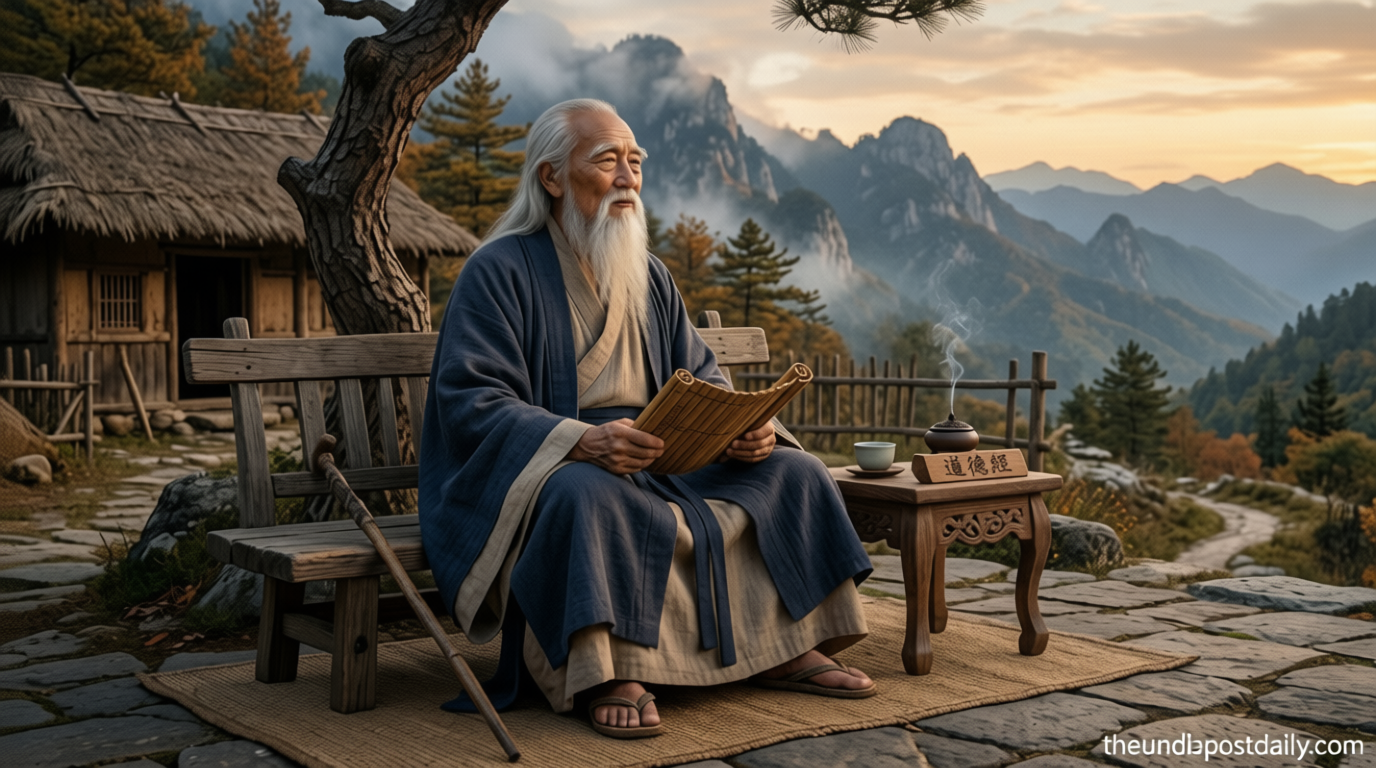
Lao Tzu’s Quote of the Day: The Journey of Self-Conquest
The Wisdom of Inner Mastery
Theindiapostdaily.com – Today’s quote by Lao Tzu, a foundational figure in Taoist philosophy, offers timeless insight into the nature of strength and success: “He who conquers others is strong; he who conquers himself is mighty.” This phrase, rooted in the Tao Te Ching, encapsulates the essence of self-discipline and emotional control. In an era defined by competition and external validation, Lao Tzu’s words challenge us to reevaluate what it truly means to be powerful. Rather than fixating on dominance over others, he advocates for the quiet triumph of mastering one’s own mind, a concept that remains profoundly relevant in both personal and professional contexts. By prioritizing inner growth, individuals can cultivate resilience, clarity, and a deeper sense of purpose, which ultimately leads to lasting fulfillment.
Decoding the Philosophical Message
“He who conquers others is strong; he who conquers himself is mighty.” – Lao Tzu
This quote, often cited as a cornerstone of Lao Tzu’s teachings, underscores a fundamental truth about human potential. While external conquests—such as wealth, status, or physical victories—may bring temporary recognition, true strength lies in overcoming internal obstacles. The Tao Te Ching, attributed to Lao Tzu, emphasizes that self-mastery is not merely a goal but a path to harmony with the world. It speaks to the idea that inner tranquility and wisdom are more enduring than fleeting achievements. In today’s fast-paced society, where distractions and pressures are constant, the ability to regulate one’s thoughts and emotions is a rare and valuable trait.
Conquering oneself requires introspection and consistency. It involves recognizing and addressing flaws, desires, and fears that often lead to conflict. Lao Tzu’s philosophy encourages mindfulness and patience, suggesting that power grows not through force, but through understanding. For instance, a leader who remains calm during adversity or an individual who resists impulsive decisions demonstrates this kind of strength. Such qualities are not only reflective of personal discipline but also of a deeper connection to the Tao—the natural flow of life that Lao Tzu believed governed the universe.
Applying the Quote to Modern Life
Understanding Lao Tzu’s quote allows us to apply it to contemporary challenges. In personal relationships, for example, the ability to manage emotions and forgive mistakes often leads to stronger bonds than arguing for dominance. In professional settings, resilience in the face of failure or setbacks reflects self-conquest rather than mere competition. This principle extends to mental health, where overcoming anxiety or self-doubt can pave the way for greater confidence and productivity. By integrating this mindset, individuals can shift their focus from external validation to internal satisfaction, fostering a sense of authenticity and purpose.
Moreover, Lao Tzu’s message aligns with modern psychological theories on self-regulation and emotional intelligence. Studies show that people who practice self-awareness and discipline tend to achieve long-term goals more effectively. This quote serves as a reminder that true power is not about control over others but about control over one’s own reactions and choices. Whether through meditation, journaling, or setting meaningful goals, the journey of self-conquest is an ongoing process that requires dedication and self-compassion. It is in this pursuit that individuals find their greatest strength and fulfillment.
The Legacy of Lao Tzu
Who was Lao Tzu, and why does his quote resonate across cultures and centuries? While historical records about his life remain sparse, he is traditionally regarded as a 6th-century BCE sage from ancient China, often associated with the Zhou dynasty. As a revered philosopher, his teachings in the Tao Te Ching have influenced countless generations, from Confucian scholars to modern mindfulness practitioners. The Tao Te Ching, a concise yet profound text, explores themes of simplicity, humility, and the interplay between yin and yang. These ideas continue to shape global perspectives on balance, resilience, and the pursuit of inner peace.
Lao Tzu’s philosophy encourages a life of quietude and observation, urging individuals to find strength in stillness rather than chaos. His emphasis on self-conquest reflects a broader Taoist belief in aligning with the natural order of the universe. By mastering their inner selves, people can navigate life’s challenges with grace and clarity. This quote, though brief, encapsulates a lifetime of wisdom, offering guidance to those seeking to cultivate emotional and mental fortitude. As the world evolves, Lao Tzu’s message remains a beacon for those who value introspection over external competition.
In today’s context, the quote serves as a powerful reminder that personal growth is the key to enduring success. While external achievements may bring recognition, it is the mastery of one’s own thoughts and actions that leads to true fulfillment. This principle is especially relevant in a society that often equates power with dominance, as it challenges individuals to look inward for meaning and strength. By embracing Lao Tzu’s teachings, we can learn to prioritize self-awareness, patience, and humility, qualities that not only enhance our lives but also contribute to a more harmonious world.