Quote of the day by Carl Gustav Jung: ‘As far as we can discern, the sole…’
Throughout history, humanity has sought to uncover the deeper significance
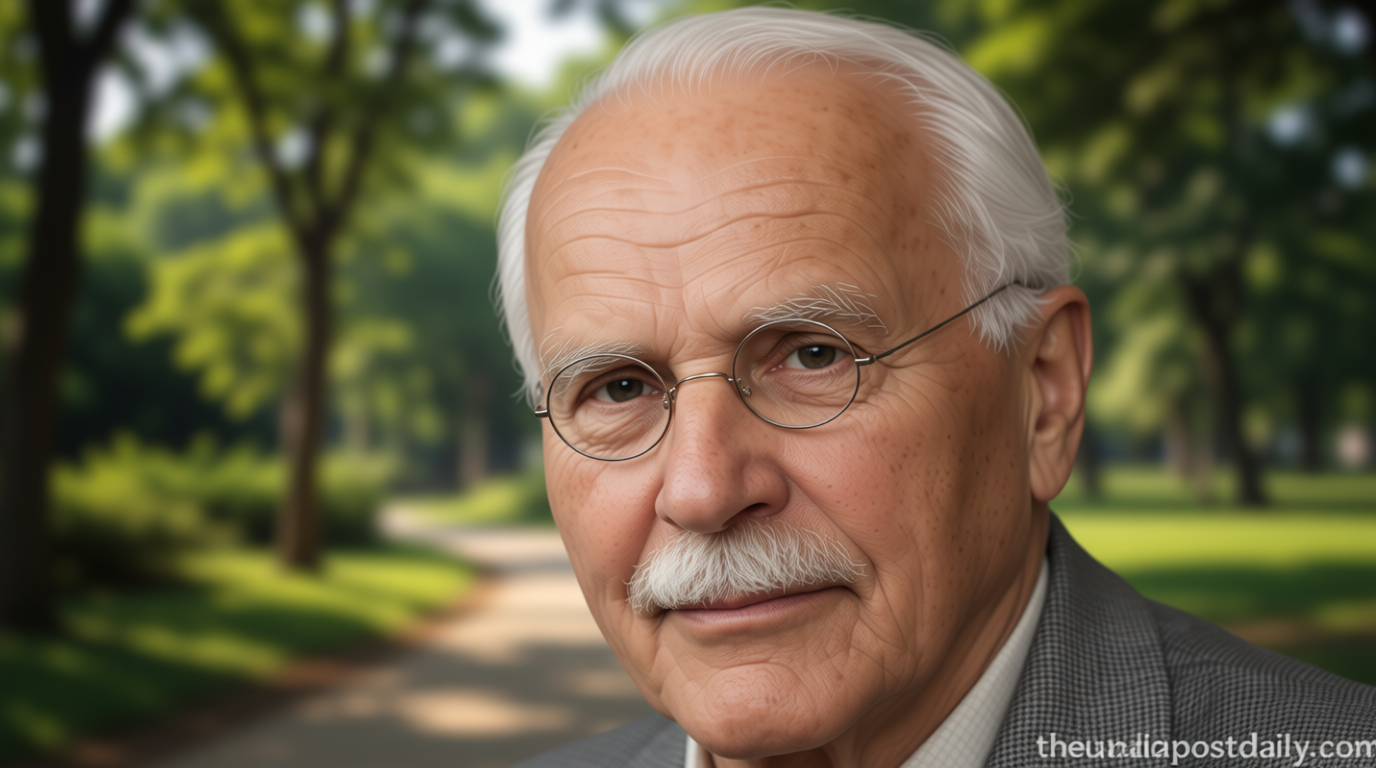
Carl Gustav Jung’s Profound Reflection on Existence
Theindiapostdaily.com – Throughout history, humanity has sought to uncover the deeper significance underlying life’s journey. Carl Gustav Jung, a pioneering figure in psychology, offers a timeless insight that challenges the notion of existence as mere survival. His assertion that life’s true value stems from crafting meaning rather than fulfilling basic needs resonates deeply with those pondering their role in the universe.
The Essence of the Quote
“As far as we can discern, the sole purpose of human existence is to kindle a light of meaning in the darkness of mere being.” – Carl Gustav Jung
Jung’s words highlight that meaning is not an external gift but an internal creation. He suggests that even in the face of existential ambiguity, individuals possess the capacity to illuminate their lives through purpose, understanding, and self-awareness. This act of forging significance transforms existence from a void into a meaningful experience.
The Origin of the Wisdom
The quote originates from Carl Gustav Jung’s posthumously published work, *Memories, Dreams, Reflections*, released in 1962. Compiled from his journal entries, the book serves as a window into his philosophical and psychological reflections, spanning themes of spirituality, consciousness, and the human quest for meaning.
Why the Quote Matters
Jung’s perspective speaks to the universal human struggle with existential uncertainty. He argues that meaning is actively constructed through personal growth, relationships, and contributions to society. This idea remains powerful today, as it reassures individuals that their lives hold value through intentional actions rather than passive acceptance.
Living with Intention
To embody this philosophy, consider establishing purpose-driven objectives, nurturing meaningful connections, and engaging in actions that align with your core values. Regular reflection on experiences—whether triumphs or challenges—can deepen self-awareness and foster resilience. By embracing opportunities for creativity and growth, you transform routine into a pathway for fulfillment.
About Carl Gustav Jung
Carl Gustav Jung, the Swiss psychologist born on 26 July 1875 in Kesswil, Switzerland, was the son of a pastor and a schoolteacher. After studying medicine at the University of Basel, he turned to psychiatry, eventually founding analytical psychology. His groundbreaking theories, including the collective unconscious and archetypes, reshaped understanding of the mind. Married to Emma Rauschenbach in 1903, he fathered five children and left an enduring legacy in psychology, literature, and philosophy.
A Lasting Impact
Jung’s work continues to inspire across disciplines, offering tools for self-discovery and meaning-making. His death on 6 June 1961 in Küsnacht, Switzerland, marked the end of a life dedicated to exploring the depths of human consciousness. The enduring relevance of his ideas lies in their ability to guide individuals toward a more intentional and purposeful existence.