Quote of the day by Aristotle: ‘A tyrant must put on the appearance of uncommon devotion to religion…’
Aristotle’s timeless quote of the day, “A tyrant must put on the
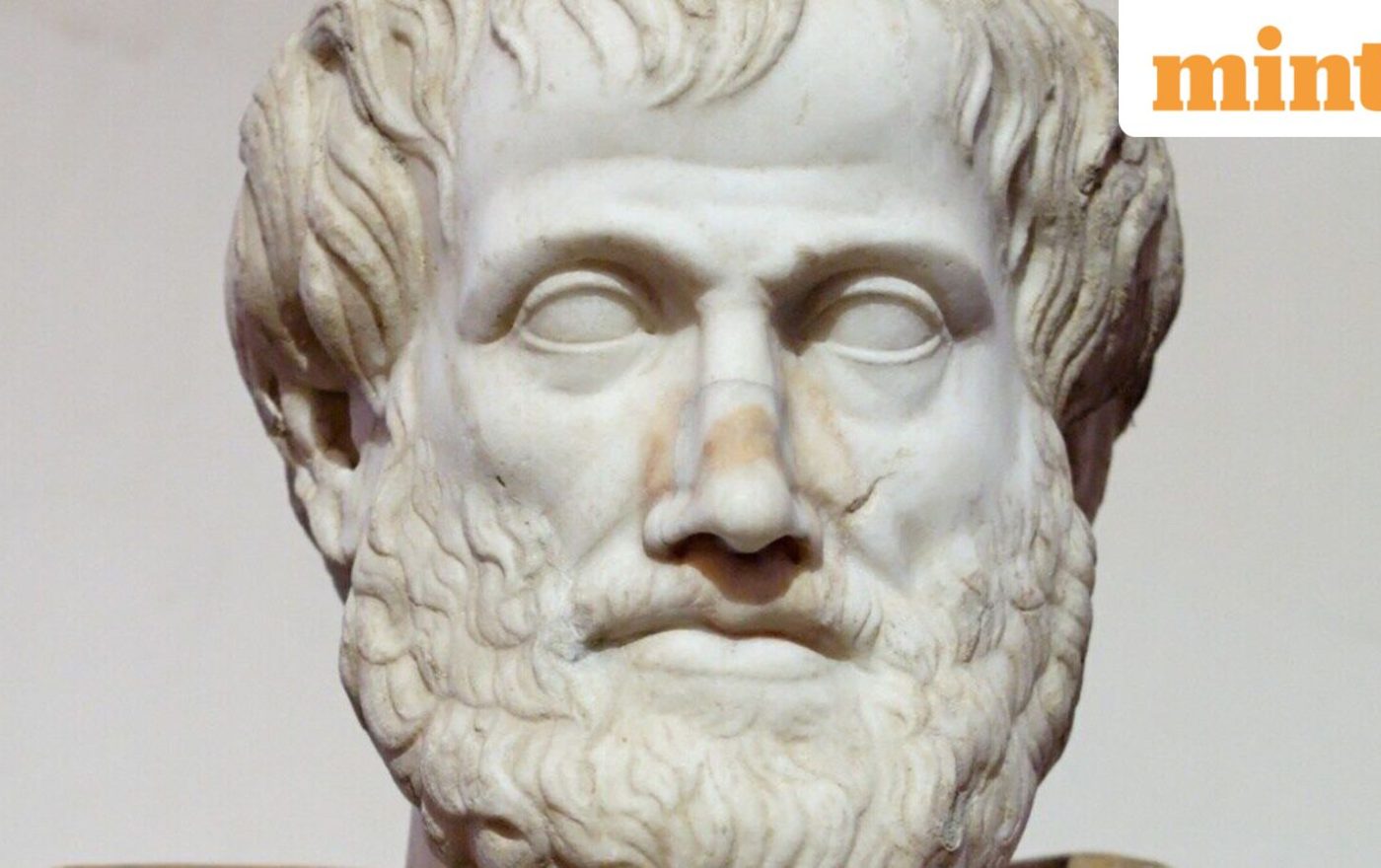
Aristotle’s Quote of the Day: Tyranny and Religious Devotion
Theindiapostdaily.com – Aristotle’s timeless quote of the day, “A tyrant must put on the appearance of uncommon devotion to religion,” remains strikingly relevant in understanding the dynamics of power and perception. This statement, drawn from his political treatises, reveals how leaders, particularly those in authoritarian roles, use religion as a tool to maintain control. By crafting an image of piety, they manipulate public sentiment, ensuring their authority is seen as divinely sanctioned. In a world where trust is currency, such strategies allow rulers to minimize resistance and consolidate their grip on power.
The Tyrant’s Strategic Use of Religion
Aristotle’s insight underscores the psychological dimension of governance. A tyrant, by definition, rules without the consent of the governed, yet they seek to legitimize their rule through external symbols. The “appearance of uncommon devotion” to religion serves as a mask for their true intentions, making them seem like an extension of the divine. This tactic is not merely about belief but about shaping perception, a concept that resonates deeply with modern political discourse.
When a ruler exhibits religious fervor—whether through public rituals, speeches, or personal piety—they create a narrative of moral superiority. This narrative fosters a sense of inevitability in their leadership, as citizens are more inclined to accept authority when it aligns with their spiritual values. The quote of the day by Aristotle thus highlights how even the most ruthless regimes can thrive by weaving religion into the fabric of their governance.
Historical Foundations of the Quote
Aristotle’s *Politics*, written in the 4th century BCE, is a cornerstone of political philosophy, offering profound analysis of leadership structures. In Book V, Chapter 11, he delves into the characteristics of tyrants and their methods for sustaining power. The quote of the day by Aristotle fits into this broader context, illustrating how tyranny is not only about force but also about image and influence. His observations were rooted in the Greek city-states, where religion and politics were inextricably linked.
The philosopher’s argument is grounded in the human tendency to fear the divine. By appearing to honor the gods, a tyrant reassures their subjects that their rule is blessed and immutable. This creates a psychological barrier to dissent, as people are less likely to challenge a leader they believe to be divinely appointed. The quote of the day by Aristotle thus serves as a reminder that political authority often depends on the alignment between governance and religious belief.
Modern Political Applications
Today, Aristotle’s quote of the day by Aristotle finds echoes in contemporary political strategies. Leaders across the globe employ religious imagery to bolster their legitimacy, whether through charismatic rhetoric, ceremonial practices, or declarations of divine mission. This approach is particularly potent in societies where religion plays a central role in daily life and decision-making. By associating themselves with sacred values, politicians can cultivate a loyal following and silence opposition.
For instance, modern populists often frame their policies as a divine mandate, positioning themselves as the chosen voice of the people. This parallels Aristotle’s observation that a tyrant’s image of devotion reduces public fear of injustice. In this context, the quote of the day by Aristotle becomes a lens through which we can examine how religious devotion continues to shape political power, even in secular or pluralistic societies. The tactic remains effective because it taps into deep-seated cultural and psychological needs.
Religious Devotion as a Political Tool
The manipulation of religious devotion by leaders is not limited to any single culture or era. From ancient emperors to modern presidents, the theme of divine leadership has been a recurring strategy. Aristotle’s quote of the day by Aristotle is a masterful articulation of this phenomenon, emphasizing that the perceived connection to the gods is as critical as the ruler’s actual actions. This duality—between genuine piety and performative devotion—creates a complex interplay of trust and control.
In practice, the appearance of religious commitment can be cultivated through various means, such as public prayers, religious holidays, or endorsements of spiritual leaders. These actions serve to reinforce the idea that the ruler is not only a political figure but also a spiritual guide. By doing so, they reduce the likelihood of rebellion, as citizens begin to equate their leader’s authority with divine justice. Aristotle’s insight, therefore, remains a cornerstone in understanding the intersection of religion and political strategy.
Moreover, the quote of the day by Aristotle reflects the broader role of religion in maintaining social order. It highlights how leaders use religious symbols to create a shared sense of purpose, uniting citizens under a common belief system. This is especially evident in regimes where dissent is met with religious condemnation, further entrenching the ruler’s power. The philosopher’s words thus offer a timeless perspective on the ways in which religion can be both a unifying force and a mechanism of control.