Piyush Goyal on US Section 301: India need not worry and a trade deal is on track
India's commerce and industry minister, Piyush Goyal, has reassured stakeholders that the nation
India-US Trade Talks Remain On Course Amid Section 301 Scrutiny
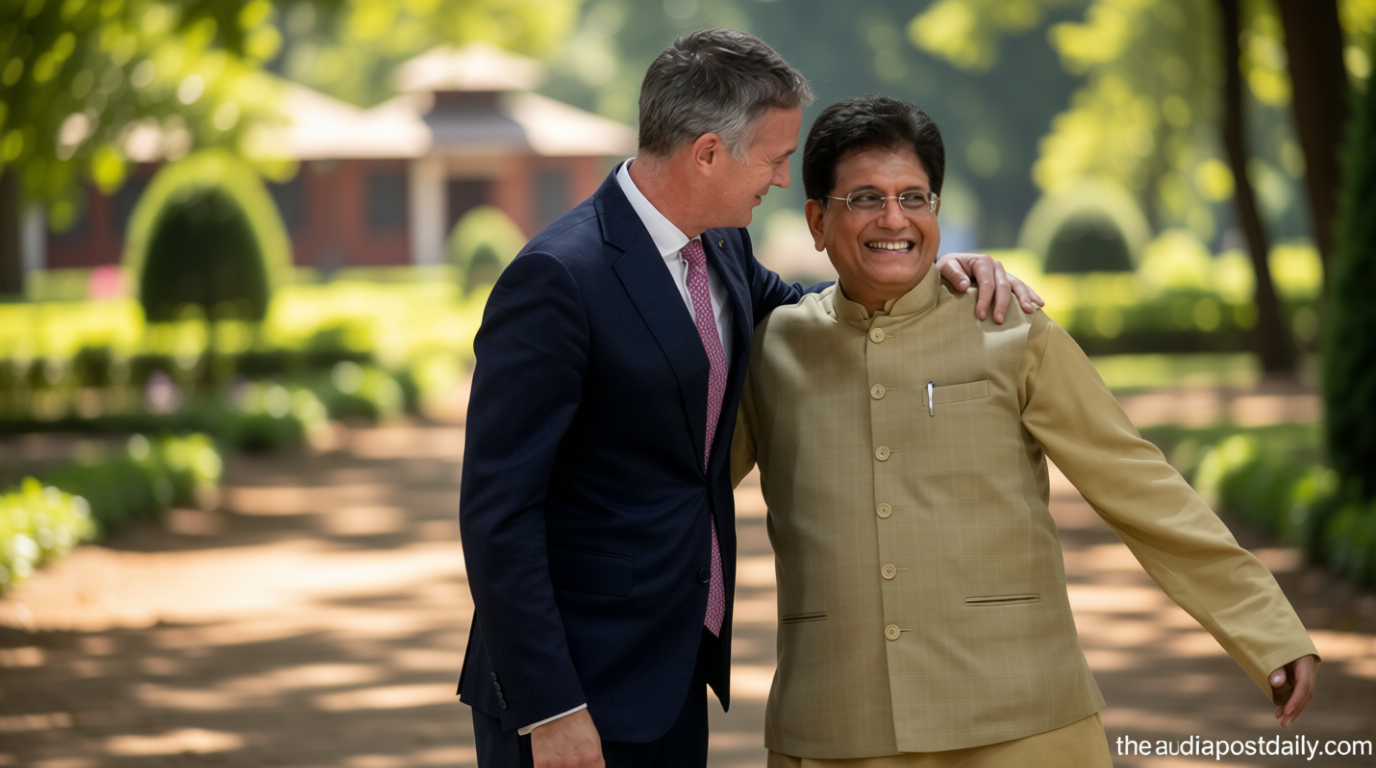
Theindiapostdaily.com – India’s commerce and industry minister, Piyush Goyal, has reassured stakeholders that the nation should not be overly concerned about the U.S. Section 301 probe, which is currently under review. In a recent address, Goyal emphasized that the trade agreement between India and the United States is still progressing despite the ongoing investigations. He mentioned that U.S. Trade Representative Jamieson Greer is expected to visit New Delhi soon to continue the dialogue on finalizing the pact. This statement underscores India’s commitment to strengthening economic ties with the U.S., even as the Section 301 process remains a focal point of discussion.
Understanding the US Section 301 Process
The U.S. Section 301 mechanism, established under the 1974 Trade Act, allows the Office of the United States Trade Representative (USTR) to investigate and impose tariffs on countries that engage in unfair trade practices. The Trump administration has leveraged this tool to address perceived imbalances, particularly with major trade partners like China and India. Recent actions by the USTR have reignited concerns about potential retaliatory measures, but Goyal has been vocal in asserting that India is well-prepared to navigate these challenges. He reiterated that the Section 301 process is not a threat but an opportunity to refine trade relations.
“The Section 301 investigation is a strategic tool being developed to address the U.S.’s limitations in securing congressional support for reciprocal tariffs. It’s designed to create a competitive advantage for India, and I believe we are in a strong position to counter it effectively,” Goyal said during an event in Mumbai.
Goyal also highlighted the importance of proactive engagement with the USTR, noting that India is closely monitoring the potential tariff implications of the Section 301 process. He emphasized that the country’s trade policies are aligned with its long-term economic goals and that the upcoming agreement will be a landmark in bilateral commerce. “We will safeguard India’s interests and remain confident that the trade deal will be finalized successfully. It is a win-win for both nations,” he added, showcasing a balanced approach to addressing the U.S. concerns.
Progress in Bilateral Trade Negotiations
Recent diplomatic efforts have seen significant momentum in the India-U.S. trade negotiations. After a series of high-level meetings, both sides have signaled that the agreement is nearing completion. Goyal has consistently advocated for a comprehensive deal that addresses key issues such as market access, intellectual property rights, and tariff reductions. He pointed out that the discussions have focused on resolving outstanding concerns, particularly in sectors like agriculture, manufacturing, and services. The minister’s assurance that the deal is on track reflects the collaborative spirit between the two countries despite the Section 301 scrutiny.
Additionally, Goyal underscored the role of India’s export-oriented industries in driving the trade agreement forward. He mentioned that sectors such as pharmaceuticals, textiles, and information technology are pivotal in shaping the economic relationship. By addressing these areas, India aims to enhance its trade competitiveness while meeting U.S. demands. The minister also highlighted the importance of India’s growing market presence, which positions the country as a key player in global trade. “Our focus is on creating a fair and mutually beneficial agreement that reflects the current economic realities,” he stated, reinforcing the idea that the Section 301 probe is a temporary hurdle.
Meanwhile, the U.S. has been actively engaging with Indian counterparts to streamline the negotiation process. The upcoming visit by Jamieson Greer is anticipated to accelerate progress, with both sides working toward a conclusion that balances their interests. Goyal’s comments align with the broader strategy of ensuring that the agreement is not only finalized but also sustainable. This includes provisions for dispute resolution and mechanisms to address future trade challenges. The minister’s emphasis on preparedness and proactive measures has been a recurring theme in his statements, further reinforcing the confidence in the trade deal’s trajectory.
As the Section 301 process continues, India is leveraging its economic resilience to mitigate potential risks. The nation’s trade surplus with the U.S., coupled with its growing market share in various industries, provides a strong foundation for negotiation. Goyal has noted that India’s ability to adapt to global trade dynamics ensures that it can effectively respond to any tariff pressures. “We are not just reacting to the Section 301 probe; we are actively shaping the terms of the trade deal to benefit our economy,” he explained, highlighting the strategic advantage the country holds in the dialogue. This proactive stance is expected to keep the trade agreement on track despite external challenges.