Over 1 million eggs recalled in US over possible contamination – check your fridge
Consumers across multiple US states are being urged to immediately check their refrigerators after a significant food safety alert. Midwest Poultry Services
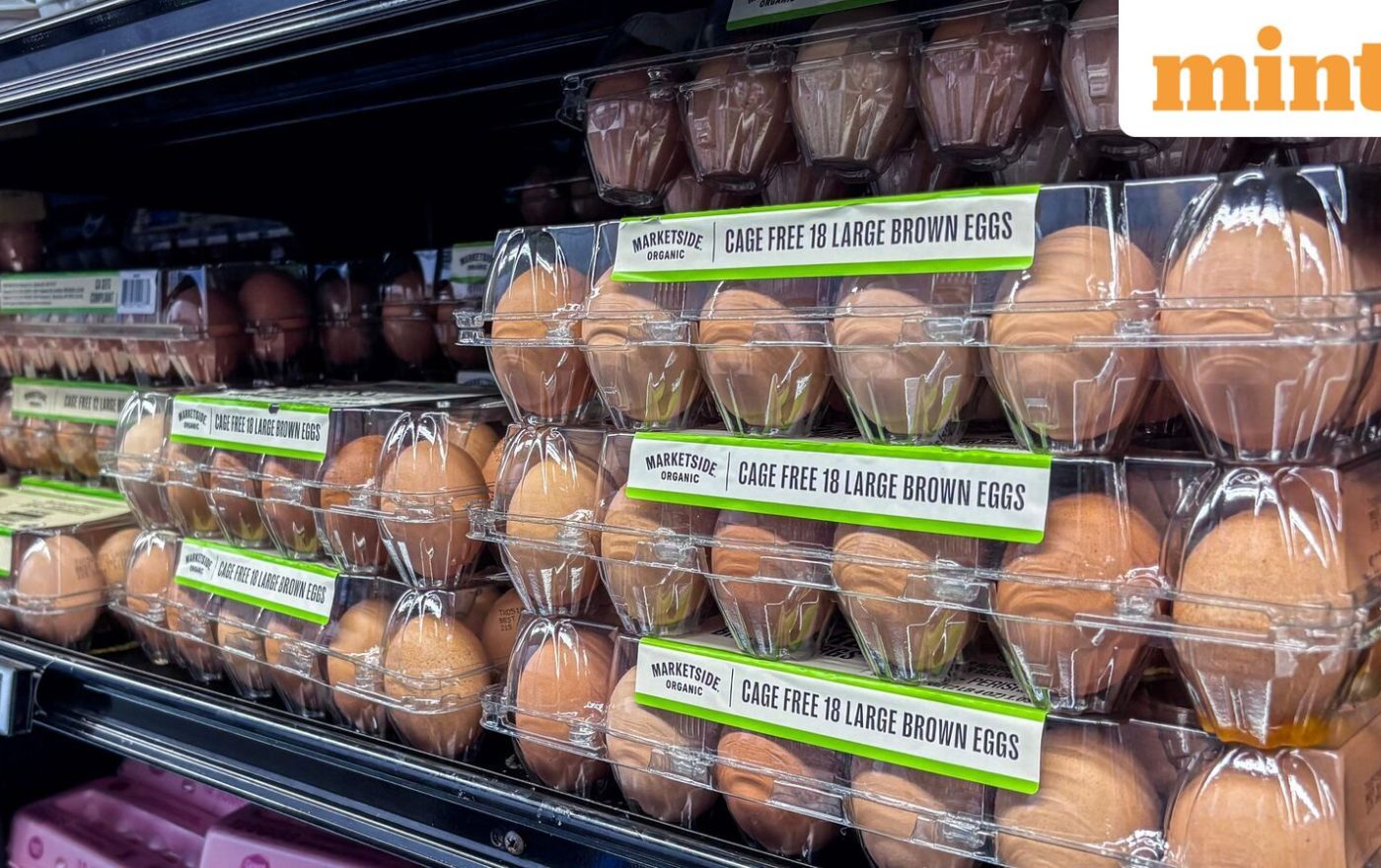
Over 1 Million Eggs Recalled in US: What You Need to Know
Theindiapostdaily.com – Consumers across multiple US states are being urged to immediately check their refrigerators after a significant food safety alert. Midwest Poultry Services has issued a recall for nearly 1.6 million dozen eggs due to potential contamination with Salmonella Enteritidis bacteria. This substantial recall, officially announced on July 22, encompasses 1,589,577 dozen white shell eggs and brown cage-free shell eggs that were produced at facilities in Texas.
The affected products were manufactured and distributed between June 6 and July 3, with sell-by or best-by dates extending from July 20 through August 7, 2026. The US Food and Drug Administration (FDA), working alongside the Centers for Disease Control and Prevention (CDC), is currently investigating a multistate outbreak of Salmonella Enteritidis infections linked to these eggs.
How to Identify Recalled Eggs
According to the FDA’s July 24 update, 98 individuals have been infected across 17 states, resulting in 26 hospitalizations with no reported deaths. To help consumers identify affected products, the recalled eggs can be recognized by the codes P-1950 or 0840962, along with Julian dates ranging from 157 to 184 printed on the carton sides. These eggs were sold under several well-known brand names, including Kroger, Simple Truth, Brookshire’s, Country Morning, and Sunups.
Beyond major retailers, the recall also impacts smaller retail outlets and foodservice establishments. Texas, Oklahoma, Louisiana, New Mexico, and Mississippi have been particularly affected, with both retail and foodservice customers in these states carrying affected products. The FDA has confirmed that epidemiological, laboratory, and traceback evidence strongly identifies the recalled eggs as a likely source of illnesses in the current outbreak.
What Consumers Should Do
Health authorities have provided clear guidance for anyone who may have purchased the affected eggs. Consumers who have recalled eggs should not eat, sell, or serve them under any circumstances. The FDA has specifically advised people to either throw the eggs away or return them to the place of purchase for a full refund.
For those who stored eggs without the original packaging and cannot definitively determine whether they are part of the recall, the recommendation is to discard them as a precautionary measure. Additionally, consumers should thoroughly clean and sanitize all surfaces, containers, and utensils that may have come into contact with the eggs to minimize the risk of cross-contamination.
The FDA recommends washing hands, utensils, and surfaces with hot, soapy water both before and after handling raw eggs or foods containing them. People experiencing symptoms of Salmonella infection are advised to contact a healthcare provider promptly. The investigation and recall remain ongoing, with health authorities continuing to assess whether additional sources may be involved in the outbreak.
Important: Certain samples collected at Midwest Poultry Services’ Texas farms also tested positive for Salmonella, with some matching the outbreak strain through whole-genome sequencing. This confirms the connection between the recalled eggs and the current illness cases.
Frequently Asked Questions
How long do the recalled eggs remain valid? The recalled eggs have sell-by or best-by dates ranging from July 20 to August 7, 2026, so they may still be in your refrigerator even if recently purchased.
What are the symptoms of Salmonella Enteritidis infection? Common symptoms include diarrhea, fever, and abdominal cramps, typically appearing 6 hours to 6 days after exposure. Most people recover without treatment, but severe cases may require hospitalization.
Can I still use eggs from the same carton if only some are recalled? If you cannot identify which specific eggs are affected by checking the codes and Julian dates, it is safest to discard the entire carton to avoid any risk of contamination.
Who should be most concerned about this recall? Young children, elderly individuals, pregnant women, and people with weakened immune systems are at higher risk for severe illness from Salmonella infection and should be particularly cautious.